Manufacturing and Production

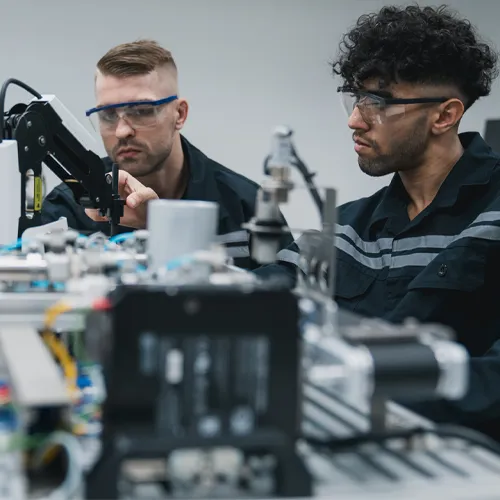
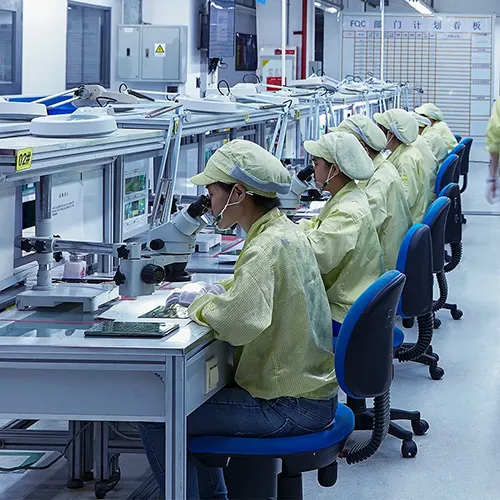
We turn an approved design into a controlled, repeatable manufacturing process by coordinating suppliers, tooling, materials, assembly, quality requirements, and production schedules.

From a Successful Prototype to Repeatable Production

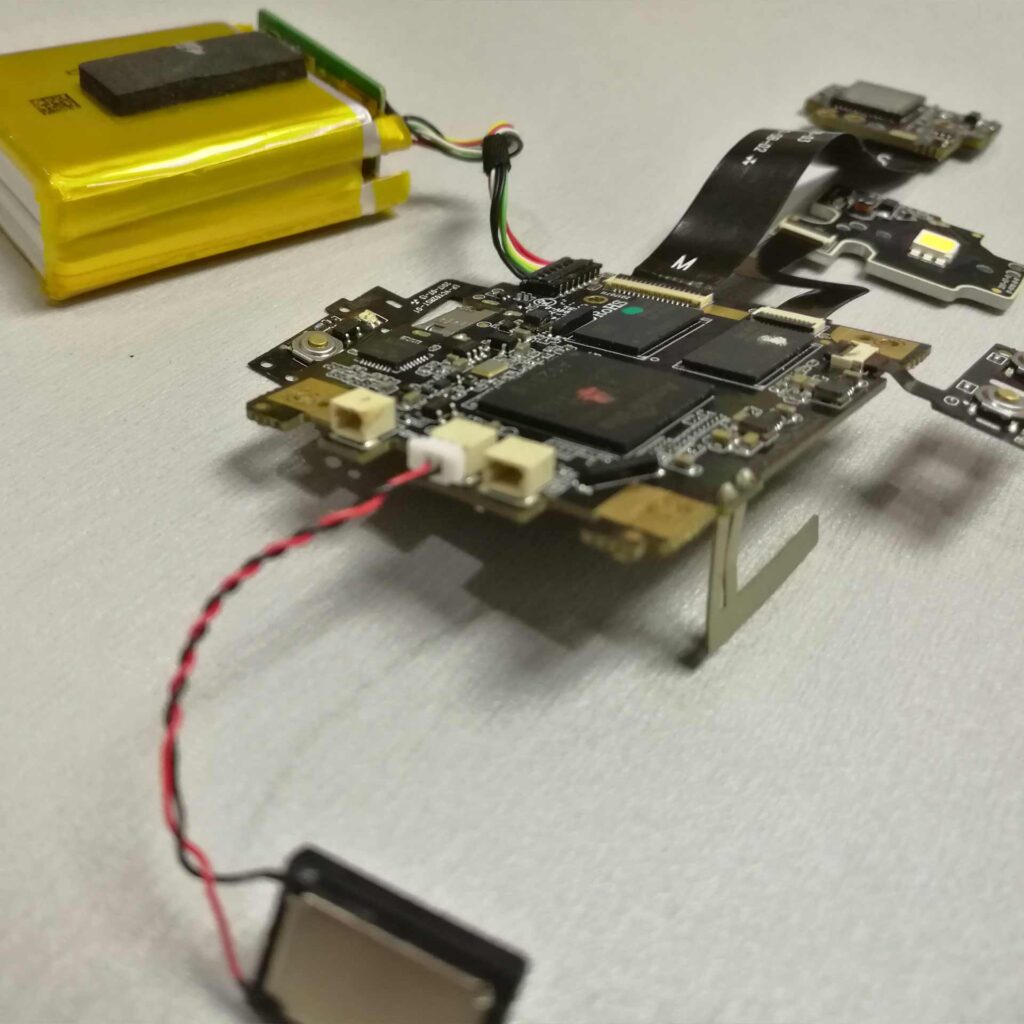
A working prototype demonstrates that a design can function. Manufacturing requires proving that the product can be produced repeatedly, efficiently, and according to the approved requirements.
During Stage 05, Panasia coordinates the manufacturers, component suppliers, tooling providers, and assembly partners required to prepare the product for production. Product documentation is reviewed, quotations are confirmed, tooling and fixtures are developed, and production processes are established.
The objective is not simply to produce one acceptable unit. It is to create a process capable of consistently producing units that match the approved specifications and quality standards.

Choosing the Right Manufacturing Structure

Single-Factory Manufacturing

A single factory manages most or all of the product’s manufacturing and assembly requirements.
This approach can simplify communication, scheduling, responsibility, and material flow when one manufacturer has the necessary equipment, expertise, capacity, and supplier resources.

Potential advantages:

  • Fewer supplier handoffs
  • Simplified production coordination
  • Consolidated responsibility
  • Easier material and schedule management
  • More direct control over final assembly

Split-Sourcing Manufacturing

Different parts, components, or processes are assigned to specialized suppliers, with final assembly completed by a selected manufacturing partner.
This approach may provide access to more appropriate production capabilities, greater supplier flexibility, or reduced dependence on a single source. However, it also requires closer coordination of specifications, quality, schedules, and logistics.

Potential advantages:

  • Access to specialized suppliers
  • Greater flexibility for individual components
  • Additional sourcing options
  • Reduced reliance on one manufacturer
  • More control over specific materials or processes
The appropriate structure depends on product complexity, production volume, tooling, supplier capabilities, target cost, quality requirements, schedule, and sourcing risk.

Coordinated Hybrid Approach

Many projects benefit from combining independent design expertise with early manufacturing input.
Panasia can coordinate designers, engineers, component suppliers, and manufacturing partners so that creative and technical decisions are reviewed alongside production requirements.
The recommended approach depends on the product, budget, development status, required expertise, ownership expectations, and long-term manufacturing strategy.

Production Readiness Checklist

Before manufacturing begins, the project should review and confirm:
  • Approved product design and dimensions
  • Current bill of materials
  • Approved components, materials, colors, and finishes
  • Prototype test results and required revisions
  • Tooling, molds, fixtures, and production equipment
  • Assembly procedures and work instructions
  • Quality standards and inspection requirements
  • Packaging and labeling specifications
  • Component availability and lead times
  • Minimum order quantities and purchasing requirements
  • Production capacity and scheduling
  • Required testing and certification considerations
  • Approved reference samples where applicable
Unresolved items should be documented and assigned before the project progresses into larger production quantities.

The Path to Volume Manufacturing

1. Supplier and Quotation Review

Panasia reviews manufacturing capabilities, quotations, minimum order quantities, lead times, production capacity, and commercial terms.

2. Tooling and Process Preparation

Required molds, fixtures, assembly aids, test equipment, and production procedures are developed or prepared.

3. Material and Component Readiness

Components and materials are ordered, incoming requirements are confirmed, and critical or long-lead items are monitored.

4. Pilot Build

A limited production run is completed to evaluate tooling, assembly, cycle times, component fit, workmanship, testing procedures, and production documentation.

5. Review and Corrective Action

Issues identified during the pilot build are documented. The product, tooling, materials, work instructions, or manufacturing process are adjusted where necessary.

6. Production Ramp-Up

Once the relevant requirements and approvals are in place, production quantities can increase according to the agreed schedule and demand.

The number and size of pilot or production runs depend on product complexity, tooling maturity, component availability, quality results, and order requirements.

Managing Tooling, Components, and MOQs

Tooling Control

Tooling requirements, ownership, maintenance responsibilities, storage, expected service life, and transfer conditions should be clearly documented.

Component Purchasing

Order quantities may need to account for supplier MOQs, production losses, spare parts, future builds, and long-term availability.

Critical Components

Long-lead, custom, high-cost, or single-source components require additional planning because they can directly affect production schedules.

Alternative Sources

Where appropriate, alternative components or suppliers can be evaluated to improve flexibility and reduce dependency on a single source.

Engineering Changes

Changes to approved components, materials, suppliers, tooling, or production methods should be documented and reviewed before implementation.

Maintaining Control During Production

Panasia helps coordinate the information and activities needed to keep manufacturing aligned with the approved product:
  • Current specifications and bill of materials
  • Approved samples and workmanship standards
  • Production schedules and status updates
  • Supplier and component coordination
  • Tooling and process changes
  • Assembly instructions
  • In-process quality requirements
  • Testing procedures
  • Production records and issue tracking
  • Corrective actions when problems are identified
Quality planning begins before production and continues throughout manufacturing. Detailed inspection and quality-control activities are covered during Stage 07.

What Stage 05 Establishes

This stage should establish:
  • Selected manufacturing and supply partners
  • Confirmed quotations and commercial requirements
  • Production tooling and fixtures
  • Approved components and materials
  • Defined assembly and manufacturing processes
  • Pilot-build results and corrective actions
  • Updated production documentation
  • Production schedules and capacity planning
  • Production-representative samples
  • A controlled path toward volume manufacturing
The timing of certification depends on the product and target market. Certification activities may overlap with manufacturing preparation when production-representative samples are required for formal testing.

Preparing for Production?

Tell us about your product, current design status, expected order quantities, target markets, and manufacturing requirements. Panasia can help evaluate suppliers and prepare a practical production plan.

Next: Certification and Compliance

During Stage 06, applicable testing and certification requirements are completed to demonstrate compliance and prepare the product for its intended markets.

Tell Us About Your Project

Whether you have an early concept, a working prototype, an existing design, or a product already in production, tell us what you are working on and where you need support.

Our team will review your information and contact you to discuss the project and possible next steps.