The inspection plan considers factors such as the size of the production lot, inspection level, sample size, defect classifications, and agreed acceptance criteria. Samples are selected from the lot and inspected against the approved checklist. The resulting number and type of defects are then compared with the acceptance and rejection limits established by the sampling plan.
A condition that may create a safety risk, violate an applicable requirement, or make the product unsuitable for its intended use. Critical defects normally require the strictest response.
A problem that materially affects function, reliability, appearance, assembly, customer acceptance, or saleability, but is not classified as critical.
A departure from the approved requirement that does not materially affect the product’s intended function or normal use but still falls below the agreed workmanship standard.
The exact classification of each potential defect is documented in the project’s inspection criteria. A “pass” is an inspection result—not a separate defect category.
Product specifications, approved samples, testing requirements, packaging instructions, and known risk areas are converted into inspection points.
Units are selected from the production lot according to the agreed inspection or sampling plan.
The inspector conducts the required visual, dimensional, functional, packaging, and quantity checks.
Measurements, photographs, test results, defects, and observations are documented in the inspection report.
The findings are compared with the agreed acceptance criteria. The result may support acceptance, require the shipment to be held, or identify the need for sorting, rework, or further inspection.
When issues are discovered, Panasia coordinates with the factory and client to define the required response. Corrected units may be reinspected before a shipment decision is made.
Depending on the scope of the project, the report may contain:
Where agreed, inspection photographs, reports, and production updates can be shared with the client for review and decision-making.
By the end of the Quality Control and Inspection stage, the project should have:
Whether you have an early concept, a working prototype, an existing design, or a product already in production, tell us what you are working on and where you need support.
Our team will review your information and contact you to discuss the project and possible next steps.
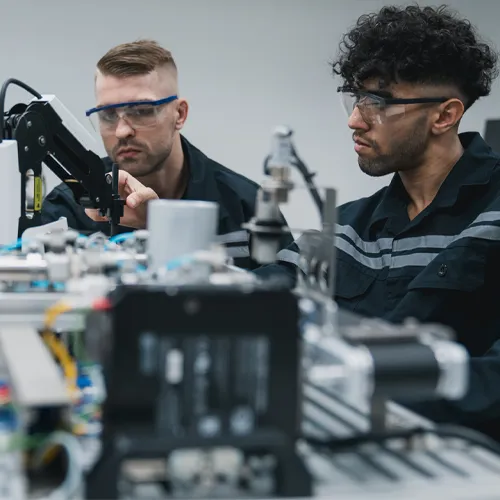
A structured, proven process that transforms your ideas into high-quality, market-ready products.
Seamlessly scale your product from prototype to full production with expert engineering and manufacturing support.
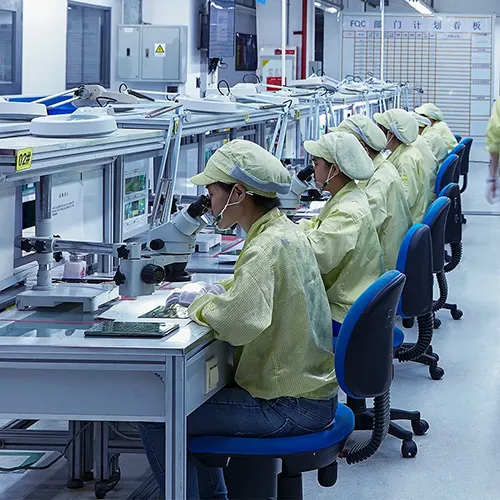
Seamlessly scale your product from prototype to full production with expert engineering and manufacturing support.
Seamlessly scale your product from prototype to full production with expert engineering and manufacturing support.
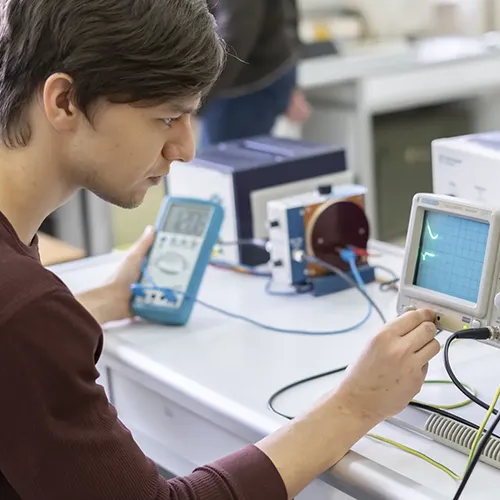
Comprehensive testing and certification to ensure compliance, reliability, and global market readiness.
Comprehensive testing and certification to ensure compliance, reliability, and global market readiness.

Ongoing support after launch, including technical assistance, supply chain management, and product improvements.
Ongoing support after launch, including technical assistance, supply chain management, and product improvements.
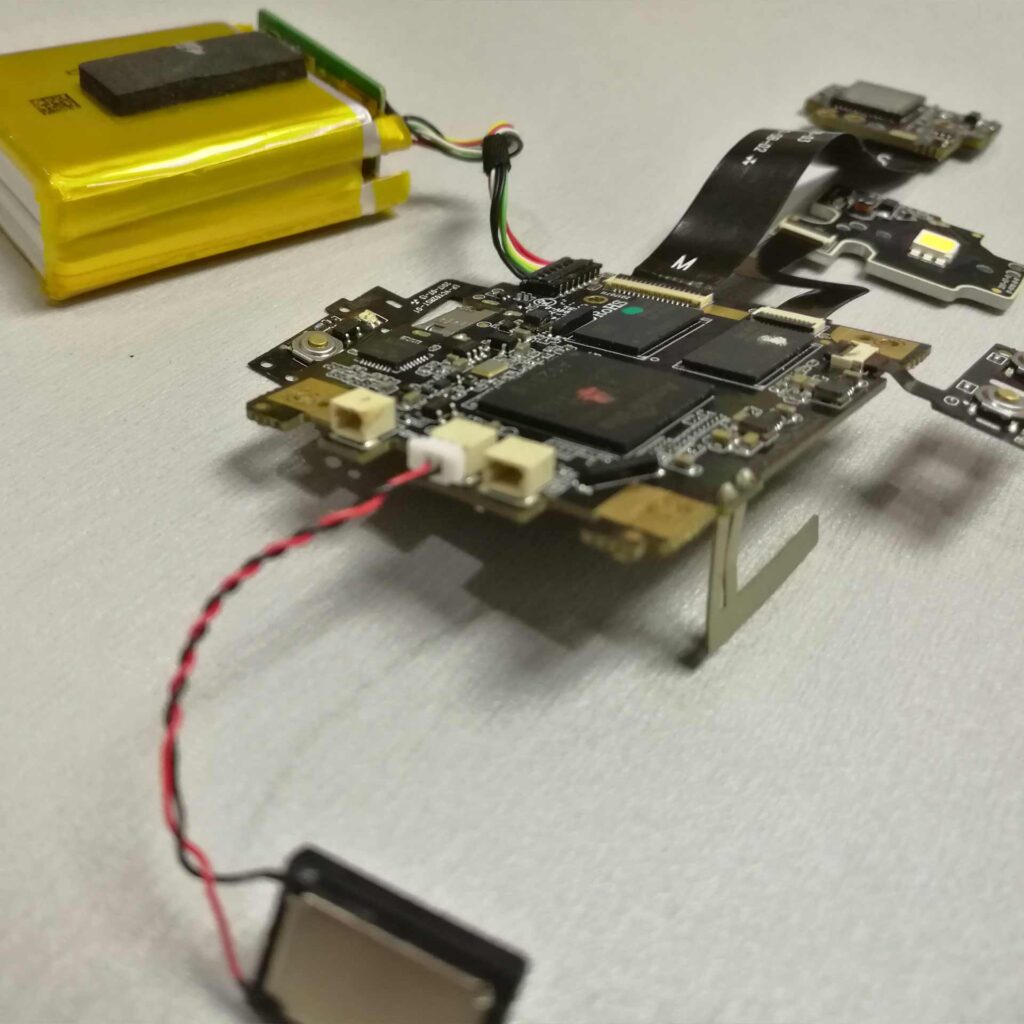
Explore real-world projects and see how we deliver tailored manufacturing solutions across industries.
Explore real-world projects and see how we deliver tailored manufacturing solutions across industries.

Expert insights, industry trends, and practical guidance on product development and manufacturing.
Expert insights, industry trends, and practical guidance on product development and manufacturing.
A structured, proven process that transforms your ideas into high-quality, market-ready products.
Seamlessly scale your product from prototype to full production with expert engineering and manufacturing support.
Seamlessly scale your product from prototype to full production with expert engineering and manufacturing support.
Seamlessly scale your product from prototype to full production with expert engineering and manufacturing support.
Comprehensive testing and certification to ensure compliance, reliability, and global market readiness.
Comprehensive testing and certification to ensure compliance, reliability, and global market readiness.
Ongoing support after launch, including technical assistance, supply chain management, and product improvements.
Ongoing support after launch, including technical assistance, supply chain management, and product improvements.
Explore real-world projects and see how we deliver tailored manufacturing solutions across industries.
Explore real-world projects and see how we deliver tailored manufacturing solutions across industries.
Expert insights, industry trends, and practical guidance on product development and manufacturing.
Expert insights, industry trends, and practical guidance on product development and manufacturing.