Design to Mass Production
Turn a validated product concept into something that can be manufactured consistently, tested properly, packaged securely, and produced at scale.
Turning a Design Into a Repeatable Product
Moving from product design to mass production is not a single handoff. Materials, components, tooling, assembly methods, testing procedures, packaging, costs, and production capacity must all work together.
Panasia Solutions coordinates these activities with the client, engineers, suppliers, and factories. Whether you have an early prototype, detailed design files, or an existing product that needs improvement, we help identify what must happen before larger production commitments are made.
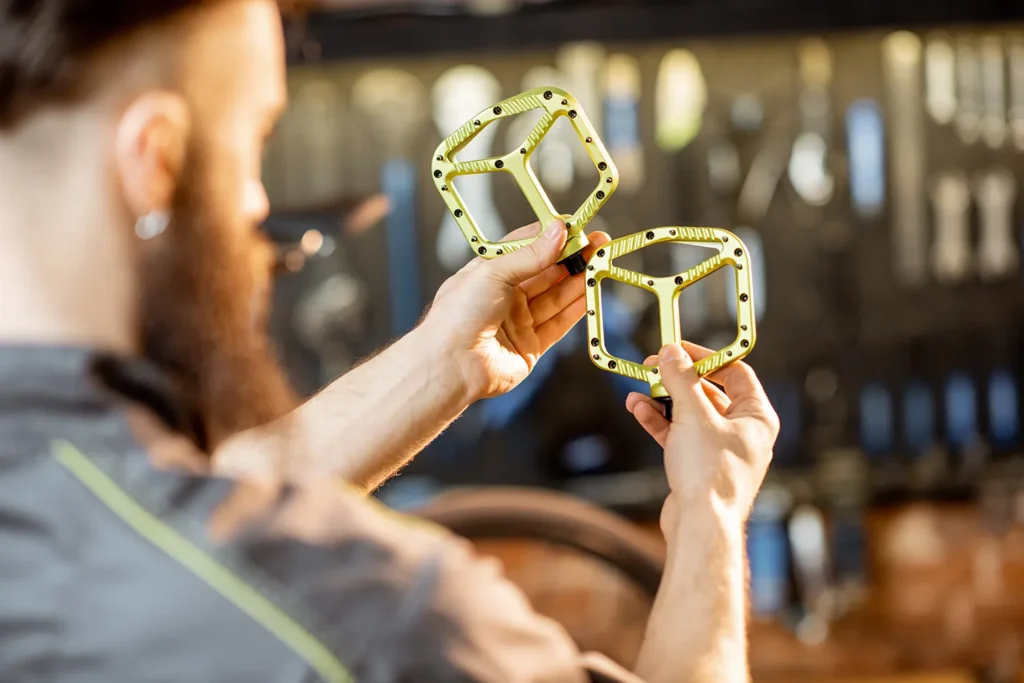
Prototyping and Proof of Concept
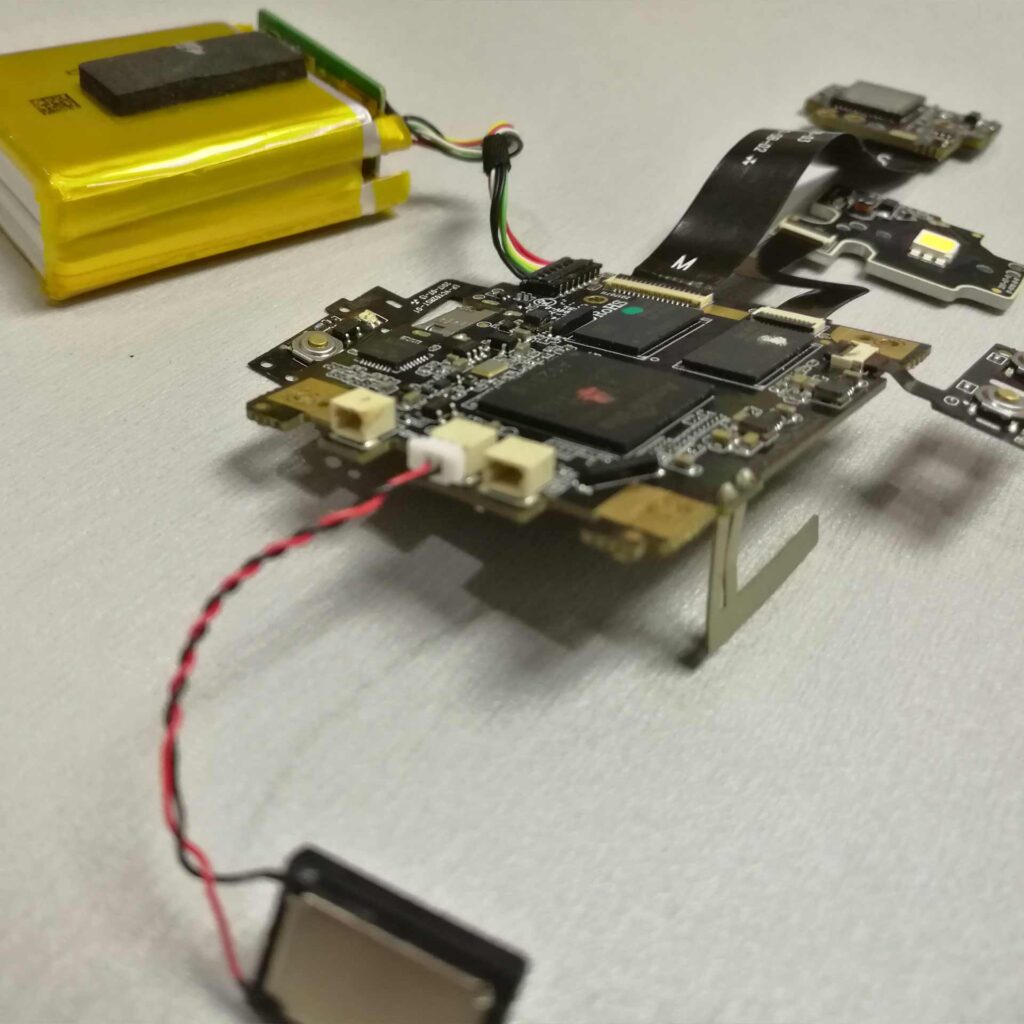
An early prototype helps answer the most important questions before significant time and money are committed. Depending on the product, this may involve appearance models, mechanical prototypes, working electronics, development boards, early firmware, or a combination of these.
Prototypes allow the team to examine the product’s size, construction, ergonomics, core functions, and technical feasibility.
- Visual and functional prototype development
- Early evaluation of fit, function, and usability
- Comparison of materials and manufacturing approaches
- Identification of technical risks
- Design revisions before production tooling
The objective is not to make the first prototype look like a finished product. It is to learn what works, identify what does not, and establish a practical direction for further development.
Design Verification and Refinement
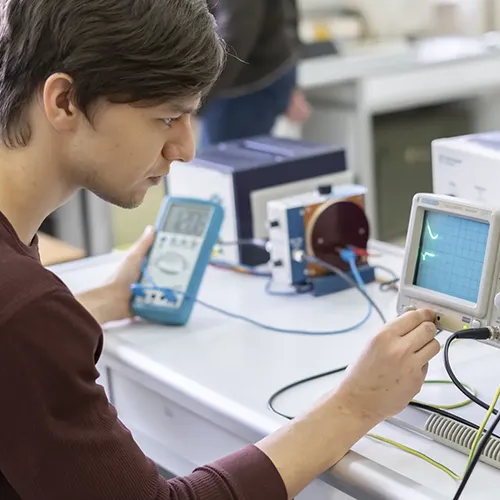
Once the basic concept has been demonstrated, the design must be evaluated against the intended product requirements. Testing and review at this stage may reveal changes needed in the mechanical design, electronics, firmware, materials, tolerances, assembly, or user experience.
Panasia works with the project team to refine the design while also considering how it will be manufactured and assembled.
- Design revisions based on prototype findings
- Mechanical and electrical design review
- Design for Manufacturing and Assembly considerations
- Material and component confirmation
- Updates to drawings, specifications, and the bill of materials
- Review of cost, quality, and performance targets
This stage establishes a more controlled product definition before tooling and production preparation begin.
Tooling and Production Setup
After the design reaches an approved stage, the required production tooling and manufacturing resources can be developed. The exact requirements depend on the product and may include molds, dies, jigs, fixtures, assembly tools, programming equipment, or custom test stations.
Panasia coordinates the development and evaluation of these resources with the selected manufacturing partners.
- Mold and production-tool development
- Assembly jigs and positioning fixtures
- Programming and testing equipment
- Tooling trials and sample review
- Corrections before final tooling approval
- Preparation of the intended assembly process
Tooling is a major commitment, so design details and approval responsibilities should be clear before this work begins.
Pilot Production and Process Validation
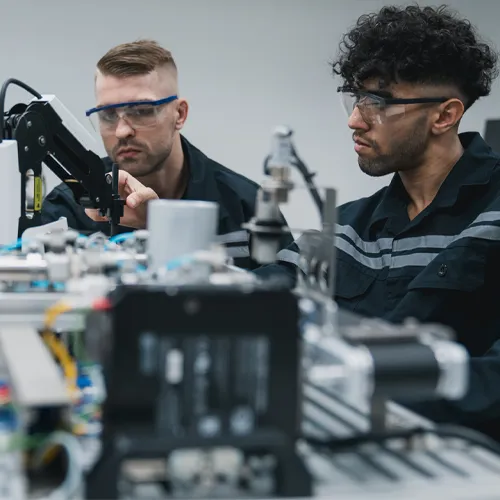
The first units made with the intended production materials, tooling, equipment, and assembly processes provide a critical test of manufacturing readiness.
A controlled pilot build—sometimes referred to as Production Validation Testing or PVT—allows the team to examine whether the product can be built repeatedly under production conditions.
- Pilot production using intended components and processes
- Verification of assembly steps and work instructions
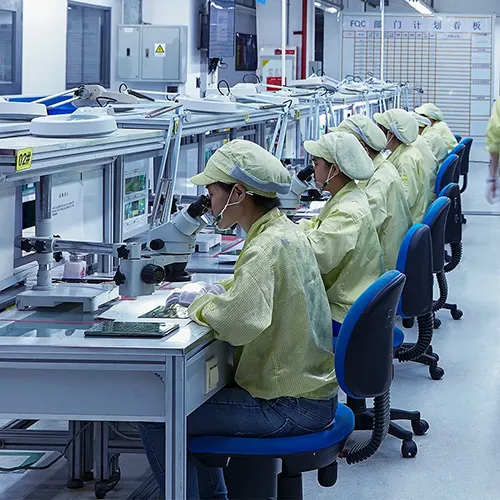
- Review of production-line testing and quality checkpoints
- Identification of bottlenecks and process variation
- Confirmation of product consistency
- Corrective action before production volumes increase
Any issues found during the pilot build should be documented, corrected, and verified before full-scale manufacturing begins.
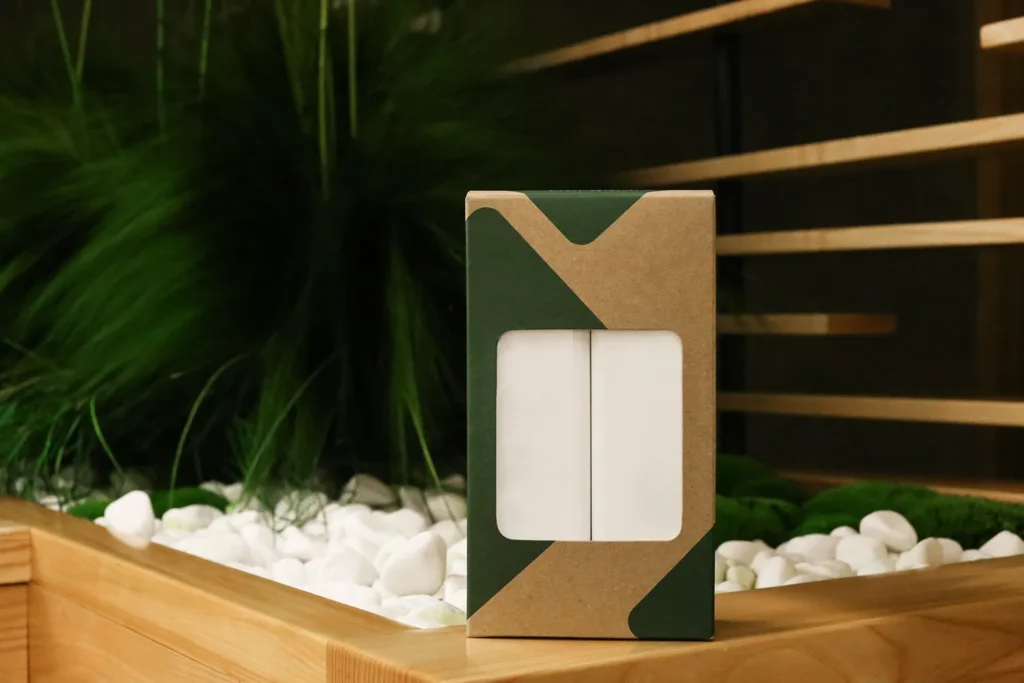
Packaging Development and Testing
Packaging development should progress alongside the product rather than being left until the end. The packaging must protect the product, include the required accessories and information, support the intended sales channel, and remain practical to manufacture and ship.
Panasia helps coordinate the structural packaging, printed materials, labeling, and shipment configuration.
- Retail packaging and protective inserts
- Master-carton and pallet configuration
- Manuals, labels, barcodes, and required markings
- Packaging artwork and print preparation
- Shipping and handling considerations
- Packaging samples and applicable transit testing
- Confirmation of final packed dimensions and weight
The result is packaging that protects the product, represents the brand properly, and works with the planned distribution method.
How Panasia Manages the Transition
Moving from an approved design to stable production requires close coordination between the client, engineers, suppliers, and factory.
Design and Manufacturing Stay Connected
Manufacturing requirements are considered throughout development, helping address materials, assembly, tooling, and production limitations before they become costly problems.
Direct Factory and Supplier Coordination
Our team works directly with factories and suppliers to manage technical questions, samples, components, tooling, schedules, and production preparation.
Documented Reviews and Approvals
Design revisions, samples, test findings, and approvals are documented so everyone works from the same current product information.
Production Planning That Fits the Project
We help plan pilot runs and production volumes based on product readiness, component availability, expected demand, and commercial requirements.
Tell Us About Your Project
Whether you have an early concept, a working prototype, an existing design, or a product already in production, tell us what you are working on and where you need support.
Our team will review your information and contact you to discuss the project and possible next steps.