Prototyping and Testing

Physical and functional prototypes turn design assumptions into evidence. We build, evaluate, document, and refine the product before manufacturing decisions are finalized.

Every Prototype Should Answer a Question

A prototype is not simply a preliminary version of the finished product. Each prototype should be created with a specific purpose, such as evaluating appearance, checking component fit, testing a function, confirming material performance, or reviewing assembly.
Panasia selects the prototyping method according to what needs to be learned during that particular iteration. Some questions can be answered with a simple three-dimensional model, while others require functional electronics, production-grade materials, or more advanced testing.
Using the appropriate prototype for each objective helps the project team focus on the most important decisions before investing in tooling or full production.

Selecting the Right Prototype Method

3D-Printed Models

Three-dimensional printing is useful for quickly evaluating overall shape, dimensions, ergonomics, component placement, and basic assembly.
It allows design changes to be reviewed without immediately committing to production tooling or more expensive prototype methods.

Manufacturing-Partner Design

Some manufacturers provide design and engineering support based on their existing technologies, materials, tooling capabilities, and production methods.
This can be an efficient option when the manufacturer already has relevant experience and the product is well suited to its established capabilities.

CNC-Machined Parts

CNC machining can produce parts with tighter tolerances and materials that more closely resemble those intended for production.
This method may be appropriate when material behavior, mechanical strength, surface quality, or precision fit needs to be evaluated.

Electronic and Functional Prototypes

These prototypes focus on performance and technical feasibility rather than final appearance.
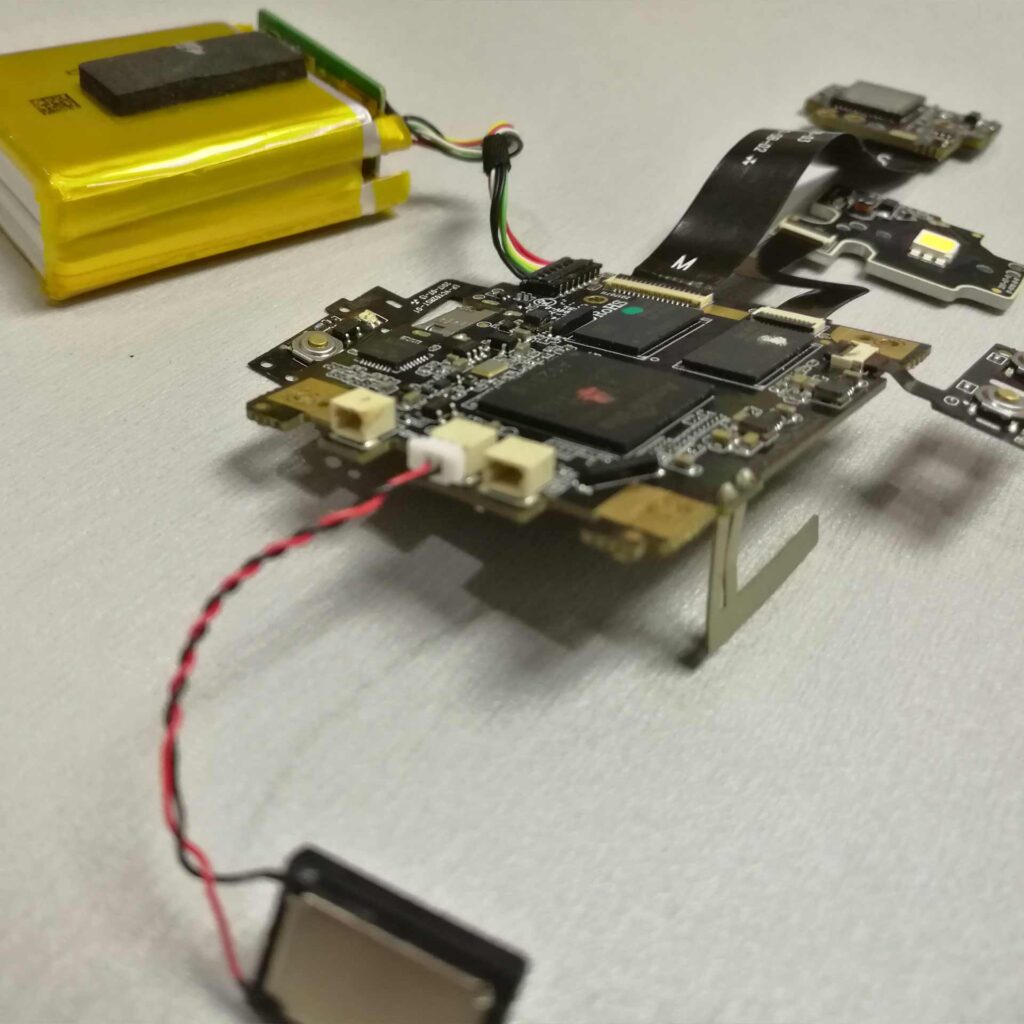
Development boards, prototype circuits, sensors, displays, batteries, software, and other working components can be combined to test core functions before the final electronic design is completed.

Production-Like Samples

Later prototype versions may use processes, components, materials, and assembly methods that more closely represent the intended production product.
These samples help evaluate the complete design before tooling, pilot production, or volume manufacturing begins.
The appropriate method depends on the product, development stage, test objective, required materials, budget, and schedule.

What We Evaluate

Form, Fit, and Assembly

Check overall dimensions, component placement, clearances, fasteners, seals, moving parts, and how the product fits together.

Function and Performance

Verify that the primary features operate as intended and meet the requirements established during development planning.

User Experience

Evaluate controls, indicators, interfaces, ergonomics, accessibility, and how users interact with the product.

Materials and Finishes

Review appearance, texture, color, surface quality, durability, and whether the proposed materials are suitable for the intended use.

Power, Connectivity, and Thermal Behavior

Assess batteries, charging, power consumption, wireless connections, antennas, heat generation, and related electronic performance where applicable.

Environmental and Durability Requirements

Evaluate how the product responds to expected conditions such as water, dust, temperature, vibration, impact, repeated use, or other project-specific requirements.
Not every prototype is tested against every category. The testing plan should match the purpose and maturity of that prototype.

The Prototype and Testing Cycle

1. Define the Objective

Identify the questions the prototype must answer and the requirements that will be evaluated.

2. Build the Appropriate Prototype

Select the materials, components, fabrication method, and level of finish needed for that test objective.

3. Evaluate and Test

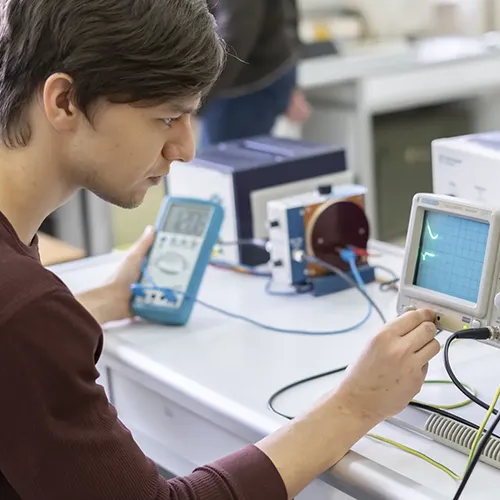
Inspect or operate the prototype under defined conditions and compare the results with the approved product requirements.

4. Document the Results

Record measurements, observations, photographs, videos, issues, and recommended actions.

5. Revise and Repeat

Update the design or requirements where necessary, then produce another prototype when additional verification is required.
The number of iterations depends on the product’s complexity, the maturity of the design, the test results, and the changes made during development.

Documenting What We Learn

Depending on the project and test activities, prototype records may include:
  • Prototype version and configuration
  • Purpose of the prototype
  • Test objectives and evaluation methods
  • Measurements and performance results
  • Photographs and videos
  • Pass, fail, or observational findings
  • Design or assembly issues identified
  • Recommended corrective actions
  • Required design revisions
  • Client feedback and approval status
Clear documentation allows test results to guide design revisions and provides a record of how important decisions were made.

What Stage 04 Establishes

Before moving toward manufacturing, the project should have:
  • Prototype results linked to defined requirements
  • Identified design, functional, or assembly issues
  • Documented revisions and corrective actions
  • Improved confidence in materials, components, and manufacturing methods
  • An approved or clearly defined product configuration
  • A record of unresolved risks or additional testing requirements
  • Sufficient information to begin manufacturing preparation
Prototype approval does not replace production quality control or required certification testing. It confirms that the design is sufficiently developed to move toward the next stage.

Ready to Build and Test Your Prototype?

Tell us about your current design, the prototypes already completed, and what still needs to be verified. Panasia can help determine the appropriate prototype method and testing approach for your project.

Next: Manufacturing and Production

During Stage 05, the approved design and prototype results are used to prepare tooling, suppliers, assembly processes, production controls, and manufacturing schedules.

Tell Us About Your Project

Whether you have an early concept, a working prototype, an existing design, or a product already in production, tell us what you are working on and where you need support.

Our team will review your information and contact you to discuss the project and possible next steps.