Design Phase

We turn approved product requirements into practical design solutions that balance appearance, user experience, technical performance, manufacturability, cost, and future production needs.

Designing for Use, Production, and Scale

Consumer electronics design involves much more than determining how a product will look. The exterior, internal structure, components, controls, interfaces, materials, assembly methods, and manufacturing processes must work together.
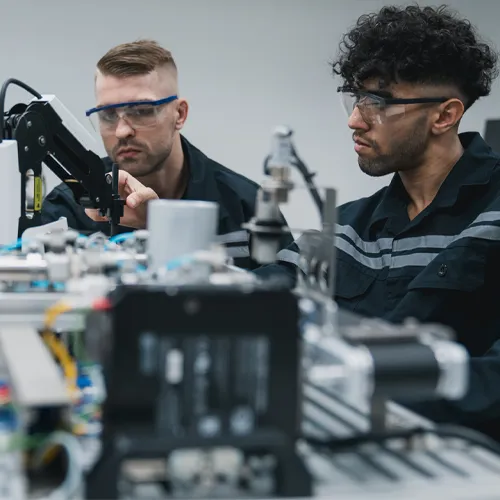
During Stage 03, the requirements established in the Product Description and Product Development Sheet guide each design decision. Panasia coordinates the appropriate designers, engineers, suppliers, and manufacturing specialists according to the needs of the project.

The objective is to develop a design that meets the product requirements while remaining practical to prototype, manufacture, test, assemble, and support.

Choosing the Right Design Path

Different products require different combinations of design expertise, manufacturing input, flexibility, and cost control.

Independent Design Specialists

Independent industrial design and engineering partners can provide broader creative flexibility and experience within specific product categories.
This approach may be appropriate when the project requires specialized expertise, greater supplier flexibility, or a design package that can be evaluated by multiple manufacturers.

Manufacturing-Partner Design

Some manufacturers provide design and engineering support based on their existing technologies, materials, tooling capabilities, and production methods.
This can be an efficient option when the manufacturer already has relevant experience and the product is well suited to its established capabilities.

Coordinated Hybrid Approach

Many projects benefit from combining independent design expertise with early manufacturing input.
Panasia can coordinate designers, engineers, component suppliers, and manufacturing partners so that creative and technical decisions are reviewed alongside production requirements.
The recommended approach depends on the product, budget, development status, required expertise, ownership expectations, and long-term manufacturing strategy.

What We Consider During Design

Industrial Design and User Experience

Product form, proportions, controls, interfaces, ergonomics, appearance, and the way users interact with the product.

Mechanical Design

Internal structure, component placement, enclosures, fasteners, seals, moving parts, assembly, and serviceability.

Electronic Integration

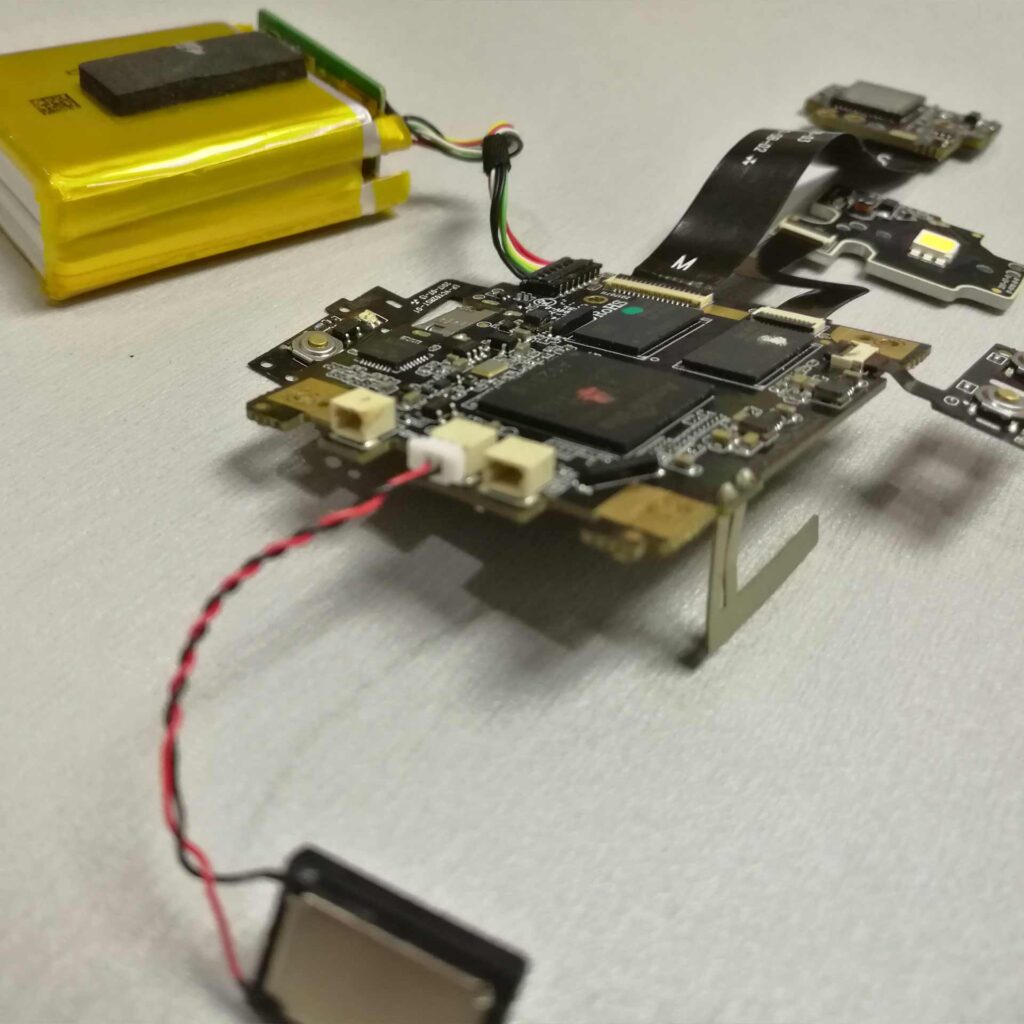
The space, power, thermal, antenna, sensor, display, control, and connectivity requirements of the electronic components.

Materials and Finishes

Material performance, appearance, durability, texture, color, environmental exposure, manufacturing method, and target cost.

Manufacturability and Assembly

Tooling requirements, part count, tolerances, production processes, assembly sequence, inspection access, and opportunities to simplify manufacturing.

Quality and Compliance Considerations

Safety requirements, intended usage conditions, reliability targets, testing needs, labeling, and potential certification constraints.

The Design Review Loop

1. Develop the Design Direction

Initial concepts are created based on the approved product requirements, intended users, technical constraints, and commercial objectives.

2. Build the Design in CAD

Selected concepts are developed into more detailed three-dimensional models, layouts, renderings, drawings, or engineering files.

3. Review Technical Feasibility

Designers, engineers, suppliers, and manufacturing specialists review the design for performance, component integration, materials, assembly, tooling, and production feasibility.

4. Revise and Confirm

Feedback is documented, design changes are made, and updated information is reviewed with the client before the design progresses.

5. Prepare for Prototyping

The approved design information is organized so that physical prototypes, functional samples, and the required testing can begin.
Design development is rarely completed in one pass. Controlled review and revision help resolve issues before they become embedded in tooling or production.

Typical Design Outputs

Depending on the project, Stage 03 may produce:
  • Approved design concepts
  • Industrial design renderings
  • Three-dimensional CAD models
  • STEP or other engineering files
  • Preliminary mechanical layouts
  • Material and finish specifications
  • Component placement and interface requirements
  • Initial assembly concepts
  • Updated product dimensions
  • Design review records and revision notes
  • Files and instructions required for prototype production
The exact outputs depend on the product and the design responsibilities agreed upon at the beginning of the project.

What Stage 03 Establishes

Before moving to prototyping, the project should have:
  • An approved design direction
  • Defined external and internal product requirements
  • Selected or proposed materials and finishes
  • Identified components and interfaces
  • Initial consideration of manufacturability and assembly
  • Documented design decisions and remaining open items
  • Sufficient design information to begin prototype development

Need Help Developing Your Product Design?

Tell us about your product, the design work already completed, and where you need additional support. Panasia can help identify the appropriate design resources and determine the most practical path toward prototyping.

Next: Prototyping and Testing

During Stage 04, the design is converted into physical or functional prototypes that can be evaluated, tested, and refined before manufacturing begins.

Tell Us About Your Project

Whether you have an early concept, a working prototype, an existing design, or a product already in production, tell us what you are working on and where you need support.

Our team will review your information and contact you to discuss the project and possible next steps.