Shipment and delivery should not be treated as an afterthought. Transportation method, destination requirements, packaging, documentation, customs responsibilities, and delivery expectations can all affect the final schedule and cost.
Panasia Solutions coordinates with the client, factory, freight forwarder, carrier, and other logistics partners to prepare the shipment before the products leave the facility.
The objective is not to promise an exact arrival date that cannot be controlled. It is to establish a practical shipping plan, identify potential complications, and keep the client informed as the shipment progresses.
The final destination, receiving hours, warehouse procedures, appointment requirements, and requested delivery window must be confirmed before booking.
Express courier, air freight, ocean freight, trucking, or a combination of services may be considered according to shipment size, urgency, product type, and budget.
Carton quantities, pallet dimensions, gross weight, shipment volume, and container requirements influence the available transportation options.
The buyer and seller must understand who arranges transportation, pays specific costs, handles customs clearance, and assumes risk during each part of the journey.
Batteries, liquids, magnets, wireless products, oversized goods, and other regulated or sensitive items may require additional testing, packaging, declarations, labels, or carrier approval.
Before goods are released for transportation, Panasia helps verify the applicable shipment details.
A shipment should move forward only after the applicable product, packaging, documentation, and logistics requirements are ready.
Often suitable for samples, replacement parts, documents, and smaller time-sensitive shipments. Courier service is convenient but may become expensive as shipment size and weight increase.
Suitable when faster transportation is important but the shipment is too large or costly for standard courier service. Airport handling, customs clearance, and final delivery must still be coordinated.
Commonly used for larger commercial shipments where cost efficiency is more important than speed. Planning must account for port schedules, consolidation, customs processing, and transportation from the destination port.
Trucking may be used for factory pickup, transport to a port or airport, cross-border movement, and final delivery to the client or fulfillment center.
Panasia evaluates the available options with the client and logistics partners rather than applying the same shipping method to every project.
The shipment proceeds after the applicable inspection results, corrective actions, and client requirements have been reviewed.
Products are packed into approved retail packaging, master cartons, and pallets as required. Quantities, carton markings, protective materials, and shipping labels are checked.
Shipment information is provided to the selected logistics partners. Space, pickup, routing, and delivery arrangements are then coordinated.
The goods are collected from the factory and moved through the applicable export, port, airport, or carrier procedures.
The shipment proceeds through destination customs clearance before being transferred to the receiving warehouse, fulfillment center, distributor, retailer, or client.
Delivery confirmation and available shipment records are reviewed. If shortages, damage, or other problems are reported, the relevant documentation can be gathered for investigation and follow-up.
International shipments involve more than transportation charges. The parties must agree on responsibilities for pickup, export clearance, freight, insurance, import clearance, duties, taxes, and final delivery.
The appropriate trade term should be confirmed in the quotation, purchase agreement, or shipping instructions. It should never be assumed based only on how a previous shipment was handled.
The required documentation depends on the product, destination, transportation method, and commercial arrangement. A shipment may require:
Panasia helps coordinate the required information with the factory and logistics partners. The importer, customs broker, or other responsible party should confirm destination-specific import requirements before shipment.
Consumer electronics may require additional transportation planning because of batteries, sensitive components, wireless functions, magnets, fragile displays, or environmental limitations.
Special requirements should be identified before freight is booked. Discovering them after pickup can lead to repacking, reclassification, additional charges, or shipment delays.
International delivery schedules can be affected by carrier availability, weather, customs inspections, port congestion, documentation questions, and other events outside the control of any single party.
Panasia provides updates at the major available milestones, which may include:
When a schedule changes, the client receives the available information so that receiving teams, distributors, retailers, or fulfillment centers can adjust accordingly.
By the end of the Shipment and Delivery stage, the project should have:
Shipment and delivery bring together the work completed during every previous stage—from the initial product requirements and engineering decisions to supplier management, production, and quality control.
Panasia Solutions remains focused on coordinating these moving parts so that the finished product can reach its intended market with the necessary preparation, documentation, and oversight.
Whether you have an early concept, a working prototype, an existing design, or a product already in production, tell us what you are working on and where you need support.
Our team will review your information and contact you to discuss the project and possible next steps.
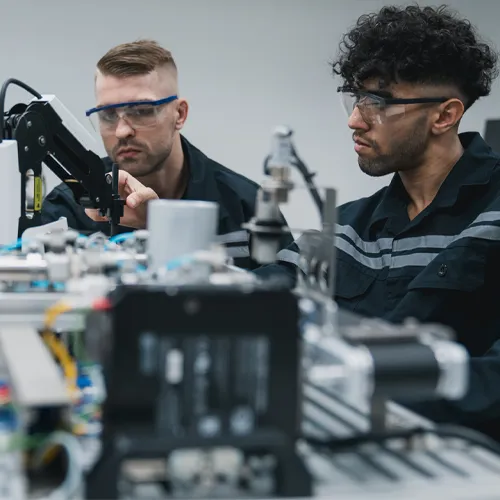
A structured, proven process that transforms your ideas into high-quality, market-ready products.
Seamlessly scale your product from prototype to full production with expert engineering and manufacturing support.
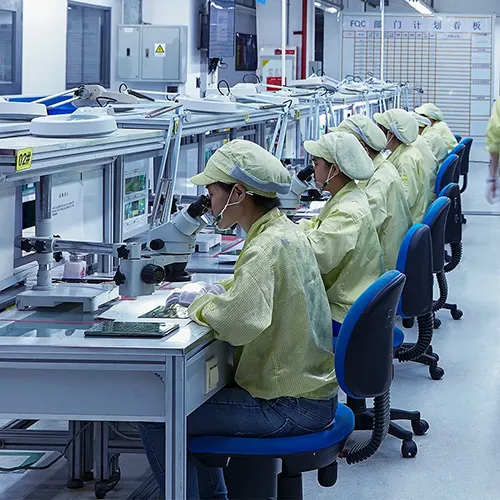
Seamlessly scale your product from prototype to full production with expert engineering and manufacturing support.
Seamlessly scale your product from prototype to full production with expert engineering and manufacturing support.

Comprehensive testing and certification to ensure compliance, reliability, and global market readiness.
Comprehensive testing and certification to ensure compliance, reliability, and global market readiness.

Ongoing support after launch, including technical assistance, supply chain management, and product improvements.
Ongoing support after launch, including technical assistance, supply chain management, and product improvements.
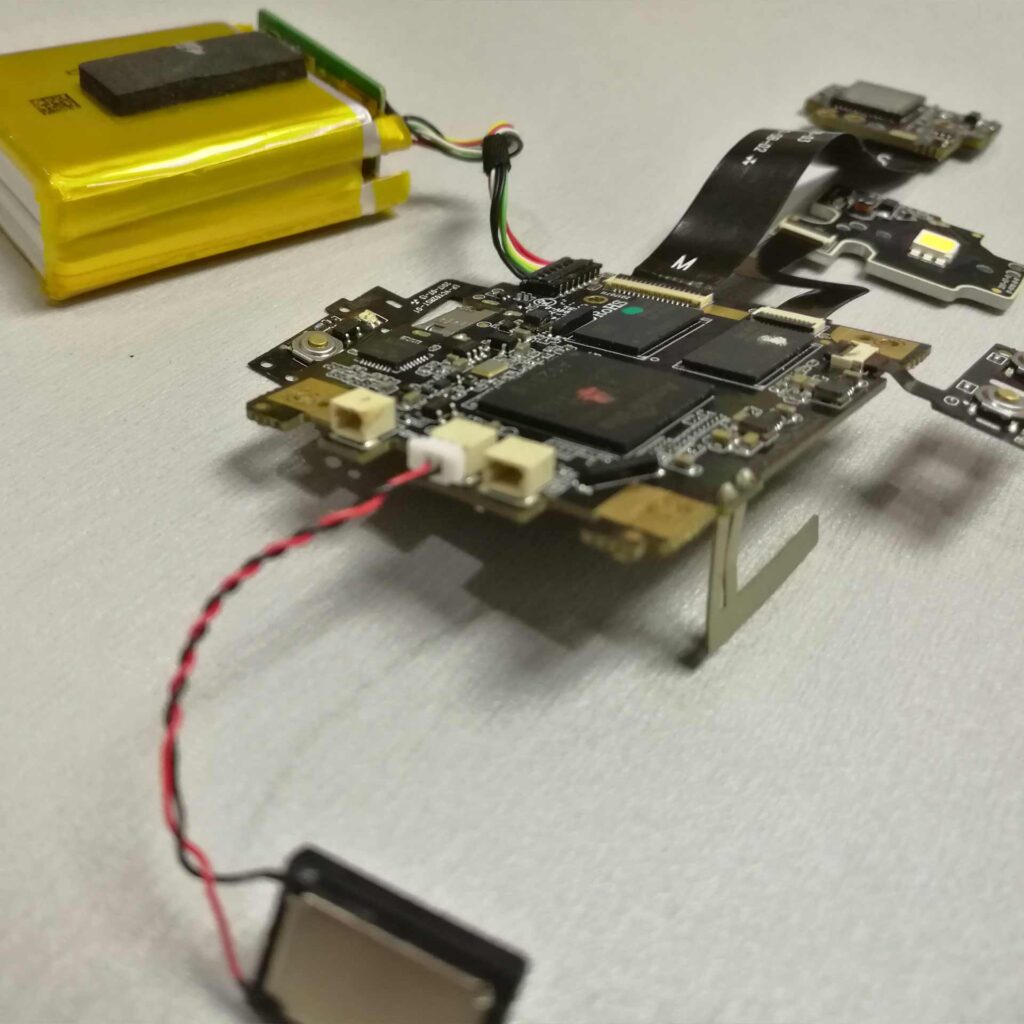
Explore real-world projects and see how we deliver tailored manufacturing solutions across industries.
Explore real-world projects and see how we deliver tailored manufacturing solutions across industries.

Expert insights, industry trends, and practical guidance on product development and manufacturing.
Expert insights, industry trends, and practical guidance on product development and manufacturing.
A structured, proven process that transforms your ideas into high-quality, market-ready products.
Seamlessly scale your product from prototype to full production with expert engineering and manufacturing support.
Seamlessly scale your product from prototype to full production with expert engineering and manufacturing support.
Seamlessly scale your product from prototype to full production with expert engineering and manufacturing support.
Comprehensive testing and certification to ensure compliance, reliability, and global market readiness.
Comprehensive testing and certification to ensure compliance, reliability, and global market readiness.
Ongoing support after launch, including technical assistance, supply chain management, and product improvements.
Ongoing support after launch, including technical assistance, supply chain management, and product improvements.
Explore real-world projects and see how we deliver tailored manufacturing solutions across industries.
Explore real-world projects and see how we deliver tailored manufacturing solutions across industries.
Expert insights, industry trends, and practical guidance on product development and manufacturing.
Expert insights, industry trends, and practical guidance on product development and manufacturing.