Testing & Certification
Plan the testing, technical documentation, and compliance work needed to prepare your product for production and its intended markets.
Testing Should Start Before the Final Product Is Built
Product testing and certification should be considered during development—not after the design, tooling, and packaging have already been completed.
Testing requirements can affect the electronics, enclosure, materials, firmware, power supply, wireless components, labels, manuals, and packaging. Identifying these requirements early gives the development team more time to address potential issues.
Panasia Solutions helps clients define test requirements, prepare suitable samples, coordinate with appropriate testing laboratories, review findings, and manage changes when problems are discovered.
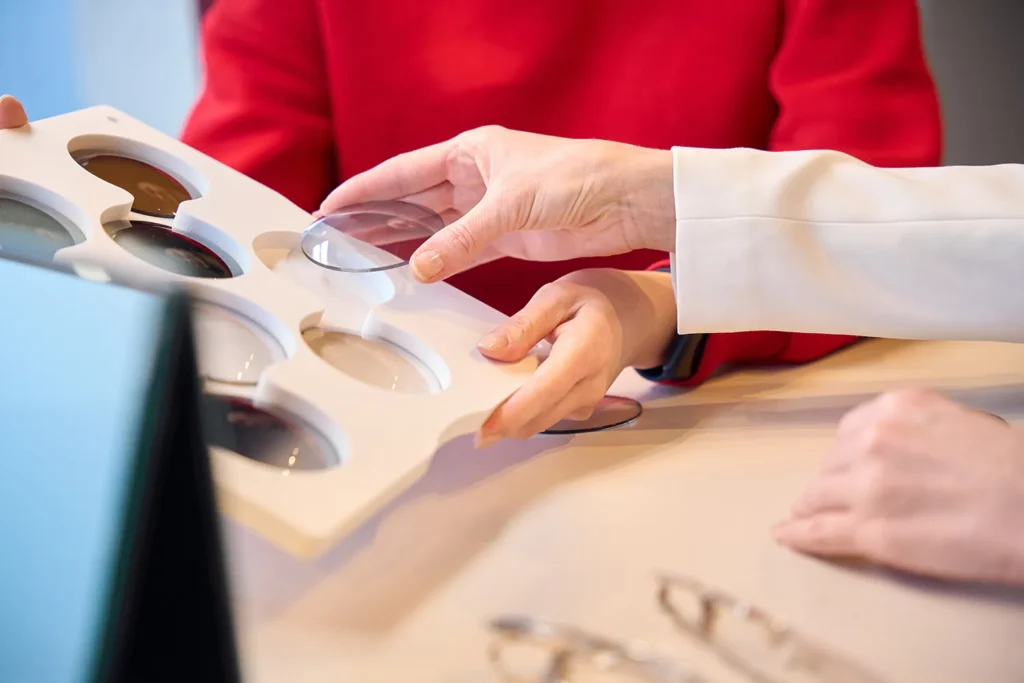
Functionality Testing
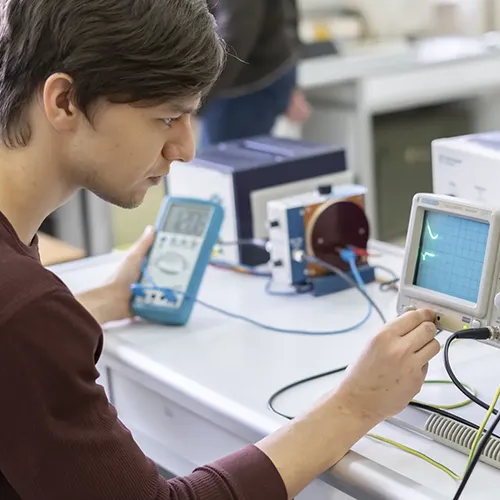
Does the product do what it is supposed to do? Functionality testing compares the product’s actual behavior with its approved requirements and intended use.
Depending on the product, testing may cover controls, displays, sensors, connections, power functions, charging, firmware, mobile applications, wireless communication, and other product features.
- Verify core functions and user controls
- Check hardware, firmware, and software interaction
- Test normal operating conditions and expected use cases
- Identify inconsistent behavior or unexpected failures
- Document findings for design correction
Functional testing provides the development team with clear information about what is working and what still needs attention before production.
Environmental Testing
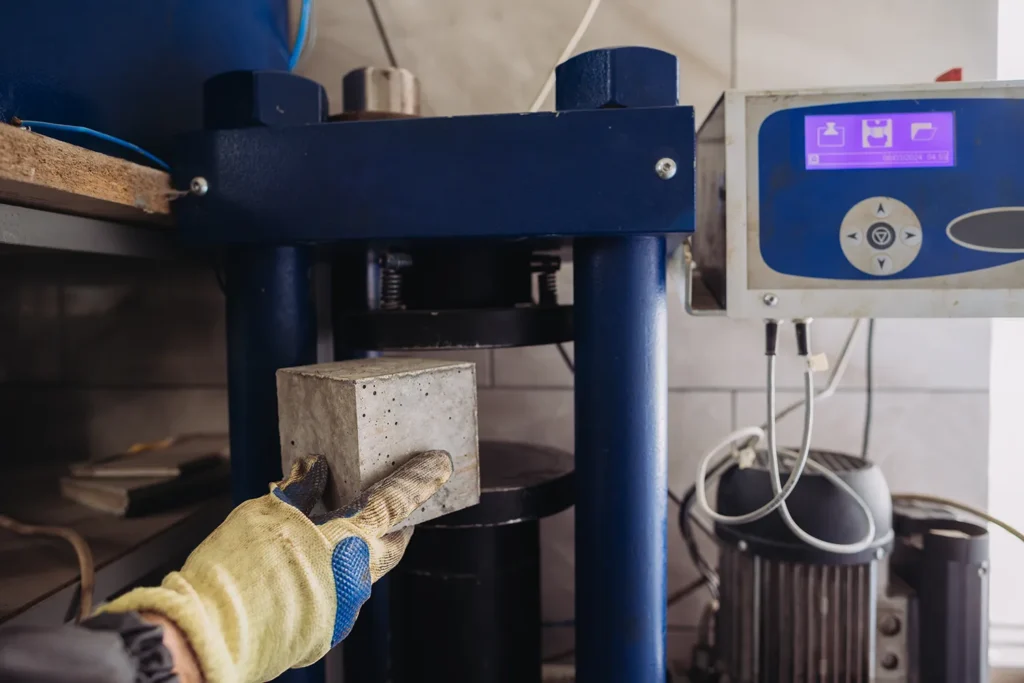
Where and how a product will be used should influence how it is tested. Products intended for outdoor, industrial, marine, automotive, or other demanding environments may require additional evaluation beyond normal indoor operation.
Depending on the product and its intended use, environmental testing may include:
- High- and low-temperature exposure
- Temperature cycling
- Humidity and moisture exposure
- Dust or water-ingress testing
- Vibration and mechanical shock
- Drop and impact testing
- UV, corrosion, or salt-spray exposure
The appropriate tests and severity levels should be selected according to the product requirements, target market, and expected operating environment.
Safety & Compliance Testing
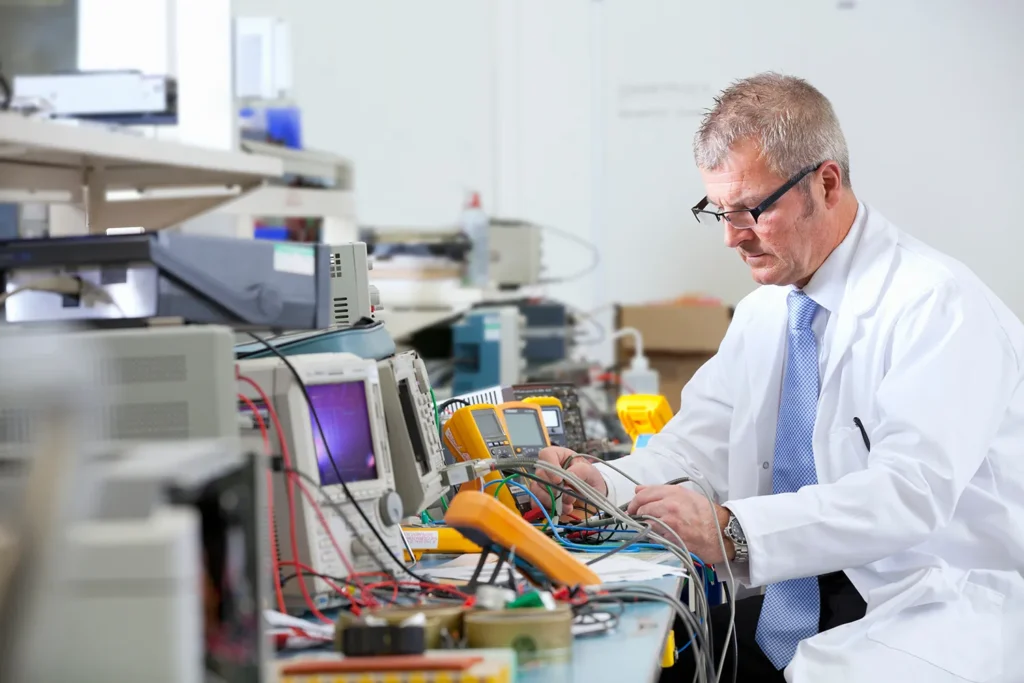
Product safety and regulatory requirements depend on the type of product, how it is powered, its intended users, its wireless functions, and where it will be sold.
Testing and evaluation may address:
- Electrical and battery safety
- Electromagnetic compatibility
- Radio-frequency performance
- Mechanical and thermal hazards
- Material and restricted-substance requirements
- Product labeling and safety instructions
- Market-specific technical requirements
Development and pre-compliance testing can help identify potential problems before formal testing begins. Where independent testing is required, Panasia coordinates with appropriate laboratories and helps the project team respond to the findings.
Certification and Market Access Support
Preparing a product for different markets can involve testing, technical documentation, declarations, registrations, equipment authorizations, conformity markings, or third-party certification.
Panasia helps organize this process according to the product and target market.
- Identify applicable product and market requirements
- Coordinate quotations and schedules with testing laboratories
- Prepare product samples and supporting information
- Track testing progress and outstanding questions
- Review test failures with engineers and suppliers
- Coordinate corrective changes and additional testing
- Support preparation of technical files, labels, and manuals
Panasia does not issue regulatory approvals. Our role is to coordinate the technical and administrative work needed to help clients complete the applicable process.

Reliability and Lifecycle Testing
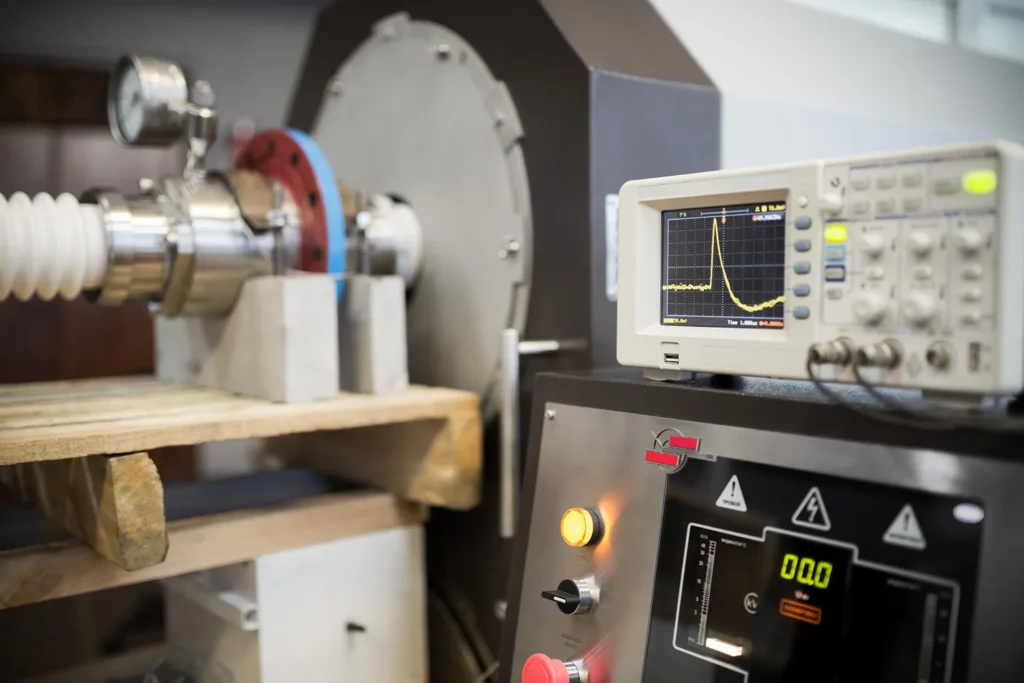
A product may work correctly during an initial demonstration but still develop problems after repeated use. Reliability and lifecycle testing help identify wear, fatigue, performance changes, and component weaknesses before products reach customers.
Depending on the product, testing may include:
- Repeated operation of buttons, switches, hinges, and connectors
- Charging and discharging cycles
- Mechanical movement and load testing
- Continuous or extended operation
- Cable and connector durability
- Wear testing for moving components
- Monitoring performance over repeated cycles
When failures occur, the findings can be used to investigate the cause and improve the design, materials, components, or manufacturing process.
Product-Specific Test Plans
Not every product fits a standard checklist. Some products have unusual functions, operating environments, customer requirements, or potential failure points that require a custom test plan.
Panasia works with clients and technical partners to identify the risks that matter for the product and determine how those risks should be evaluated.
A custom plan may combine:
- Functional and performance measurements
- Product-specific durability testing
- Simulated real-world use
- Connectivity and application testing
- Packaging and transportation testing
- Comparison with approved product requirements
- Testing requested by a retailer, distributor, or client
A useful test plan focuses on how the product will actually be manufactured, transported, installed, and used.

How Panasia Coordinates Testing
Define the Requirements
We review the product, intended use, target markets, and available technical information to identify the testing and compliance work that may be required.
Prepare the Correct Samples
Test samples should represent the intended production design. We help coordinate sample quantities, product configurations, accessories, firmware, and supporting documentation.
Coordinate Testing and Communication
Panasia communicates with testing partners, engineers, suppliers, and the client to manage questions, scheduling, sample delivery, and test progress.
Resolve Findings and Document Changes
If a product does not meet a requirement, we help coordinate the investigation, design changes, new samples, and additional testing needed to address the issue.
Tell Us About Your Project
Whether you have an early concept, a working prototype, an existing design, or a product already in production, tell us what you are working on and where you need support.
Our team will review your information and contact you to discuss the project and possible next steps.