Smart Factory Transformations with IoT Integration
Share
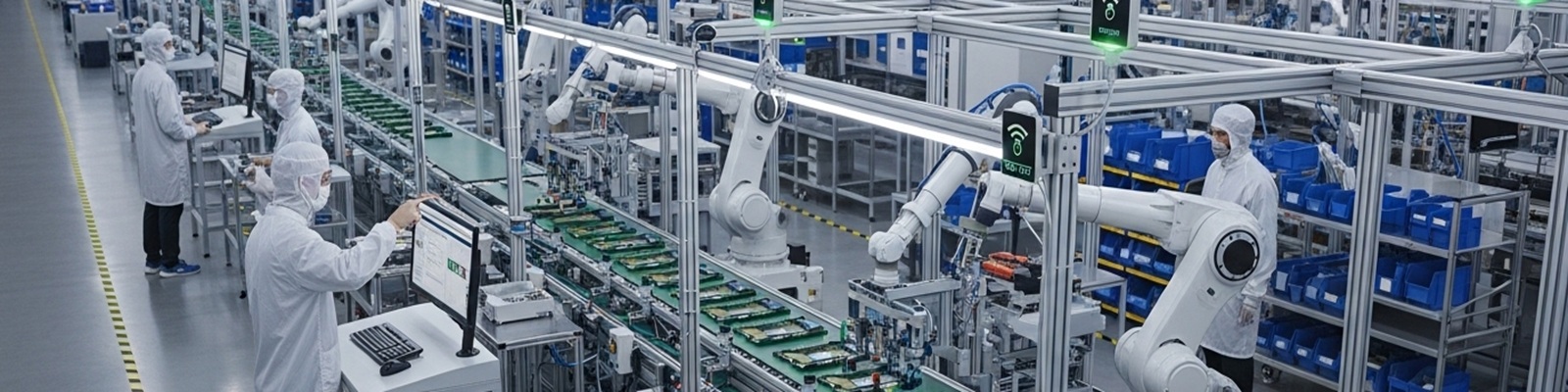
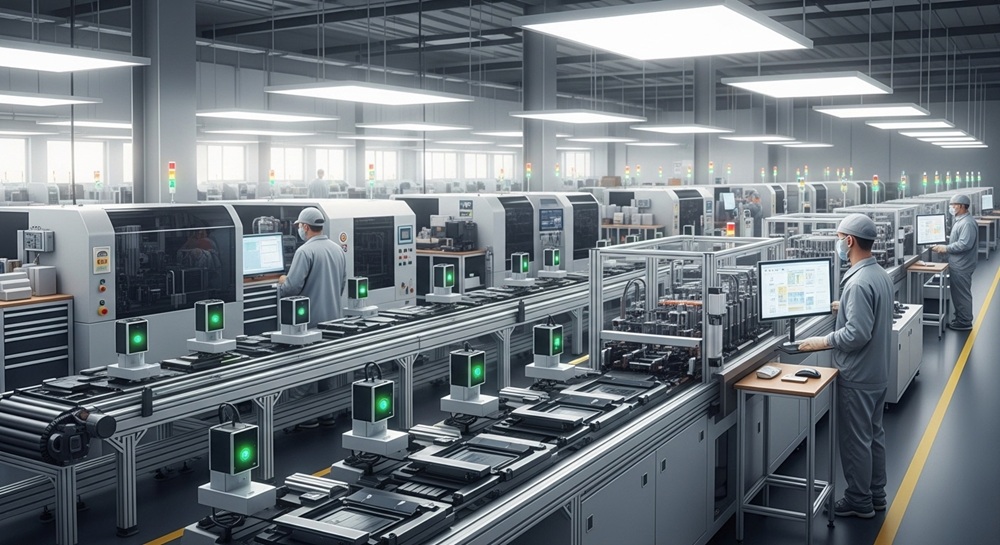
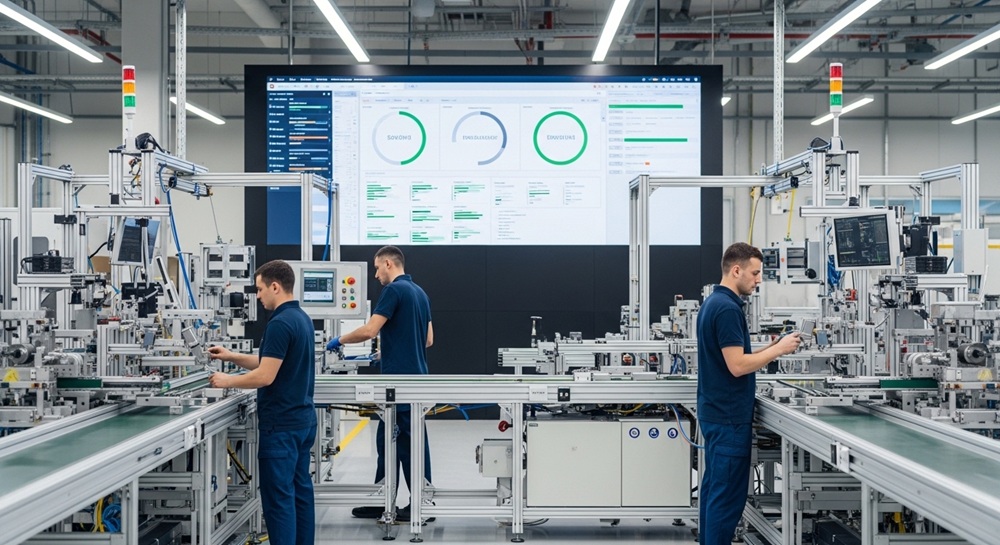
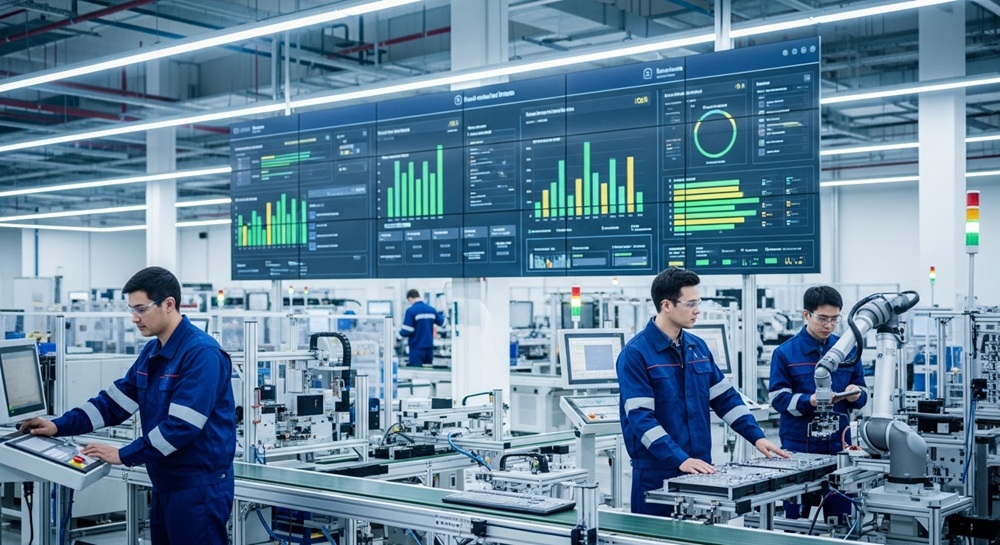
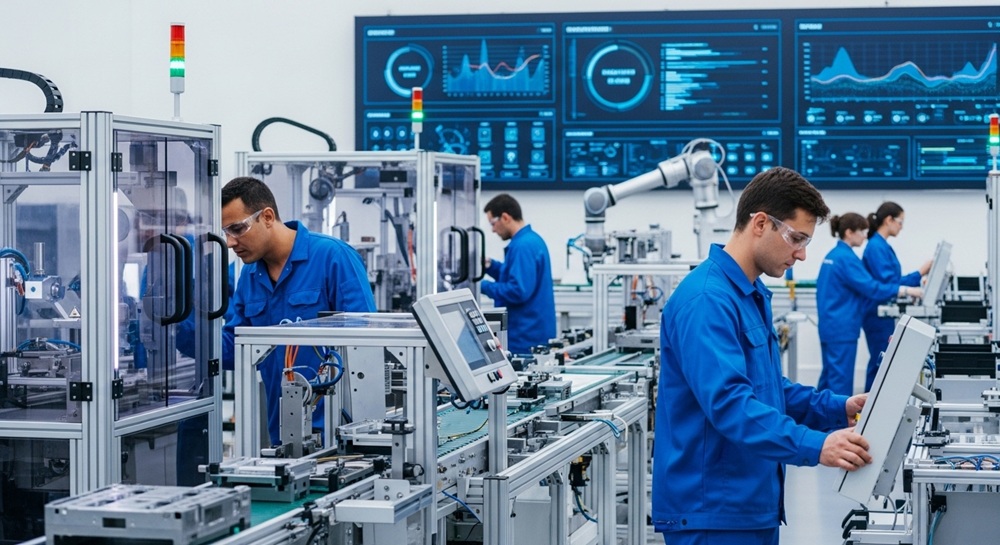
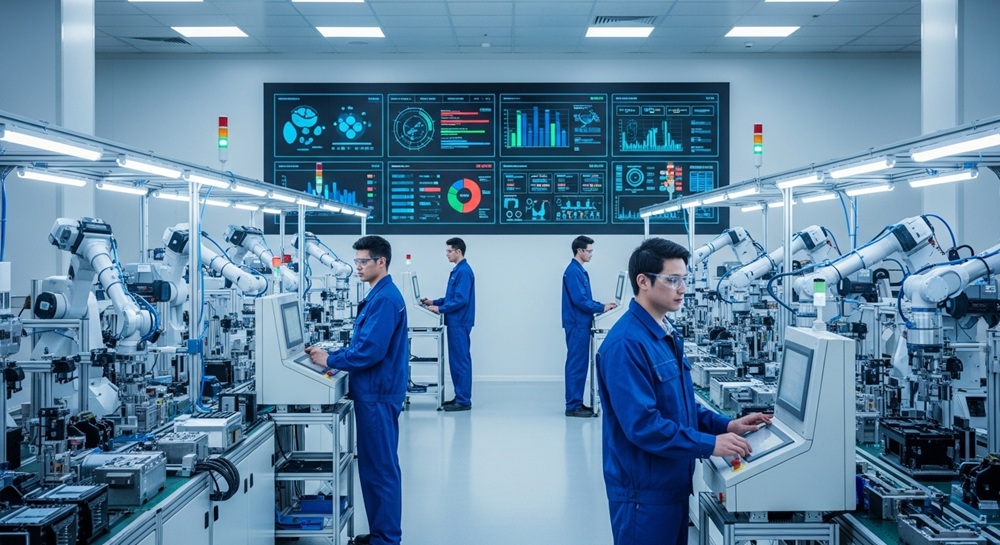
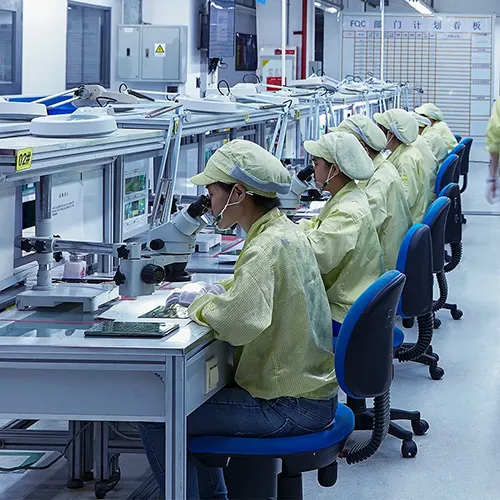
Imagine a production line that anticipates issues, optimizes energy use, and adapts in real-time – all without human intervention. Smart factory IoT is making this reality, leveraging connected sensors and data analytics to transform traditional manufacturing into intelligent, responsive systems. For electronics producers, smart factory IoT means higher precision, lower costs, and faster innovation in an industry where downtime can cost thousands per minute.
The global smart manufacturing market is forecast to reach $658.41 billion by 2032, growing at 13.4% CAGR, driven by IoT adoption. In 2025, over 21.1 billion IoT devices will be online, enabling factories to cut energy 15-20% and boost productivity 10-25%.
The Surge in Smart Factory Adoption
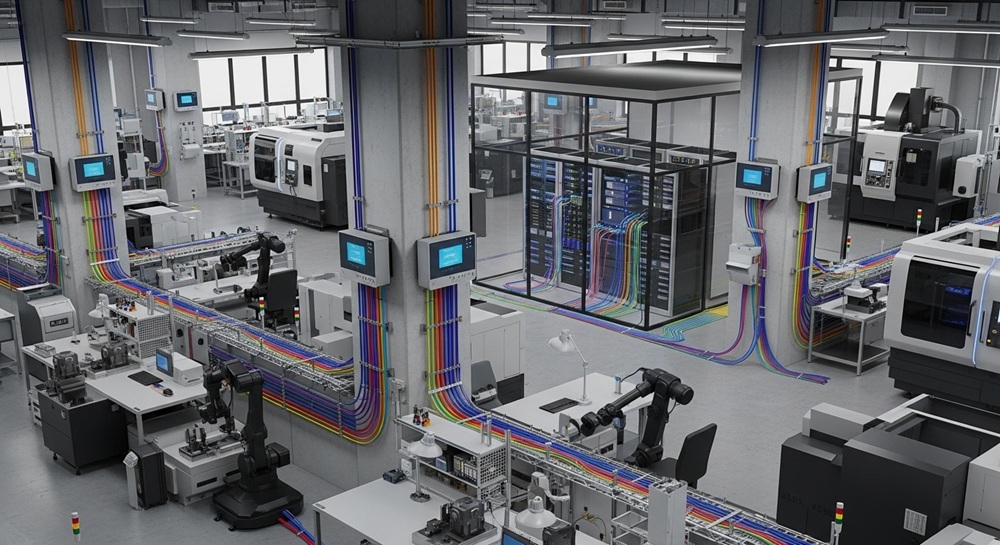
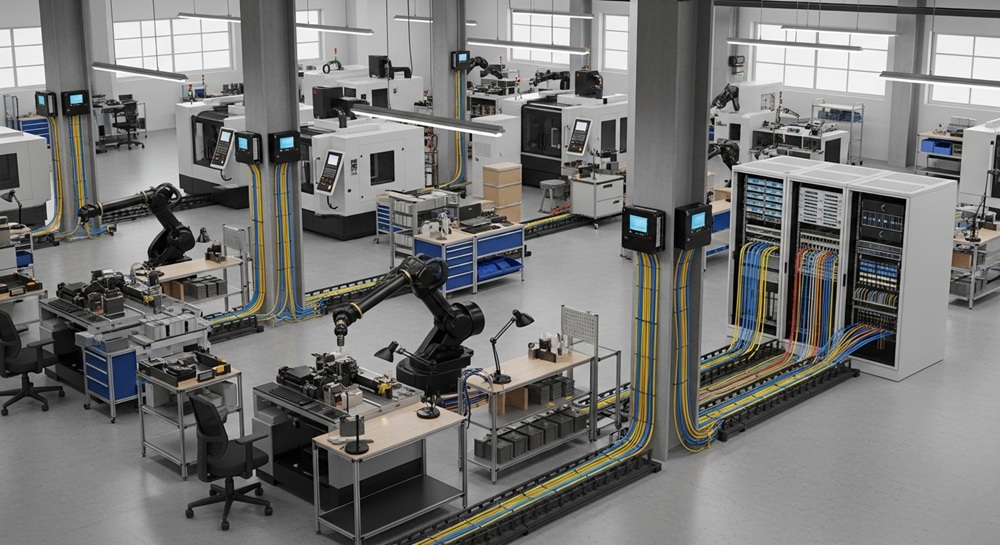
Smart factories are no longer a luxury – they’re a necessity for staying competitive. Smart factory IoT integrates physical assets with digital networks, creating ecosystems where machines communicate seamlessly.
Recent data from McKinsey shows smart factories can reduce defects by 50% through predictive analytics. This surge is fuelled by 5G, enabling low-latency connections essential for real-time monitoring, as Ericsson’s 5G whitepaper details.
In electronics, this means tracing components from supply to assembly, minimizing errors and ensuring compliance.
IoT's Pivotal Role in Factory Overhauls
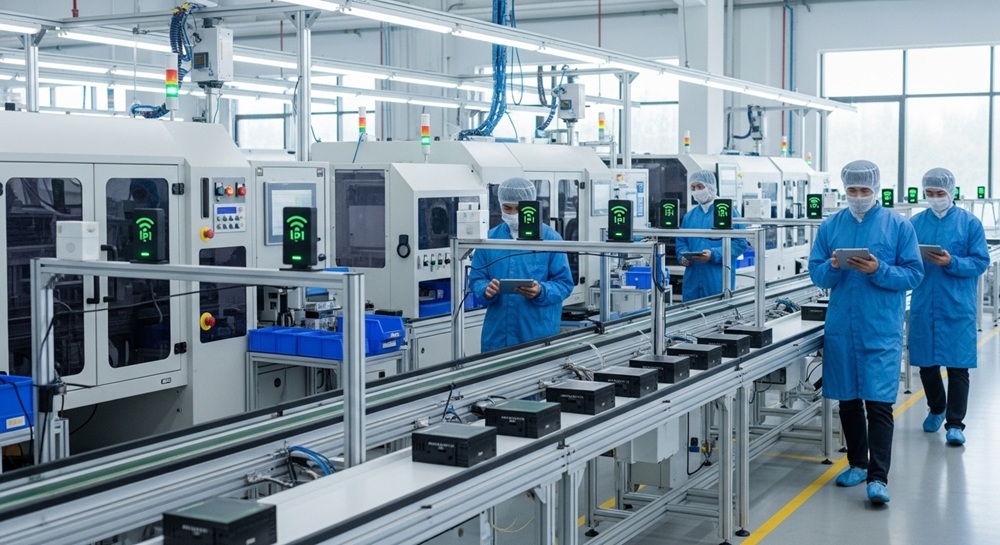
At the core of transformations is smart factory IoT, where sensors collect data on everything from temperature to vibration, feeding AI for actionable insights.
Applications include asset tracking with RFID, improving inventory accuracy 99%, per IBM IoT manufacturing. For prototyping, it simulates scenarios virtually, speeding development 30%, as PTC smart manufacturing explains.
Sustainability gains: IoT optimizes resource use, cutting waste 20%, aligning with green goals in Accenture sustainability.
Panasia Solutions harnesses these for efficient electronics workflows.
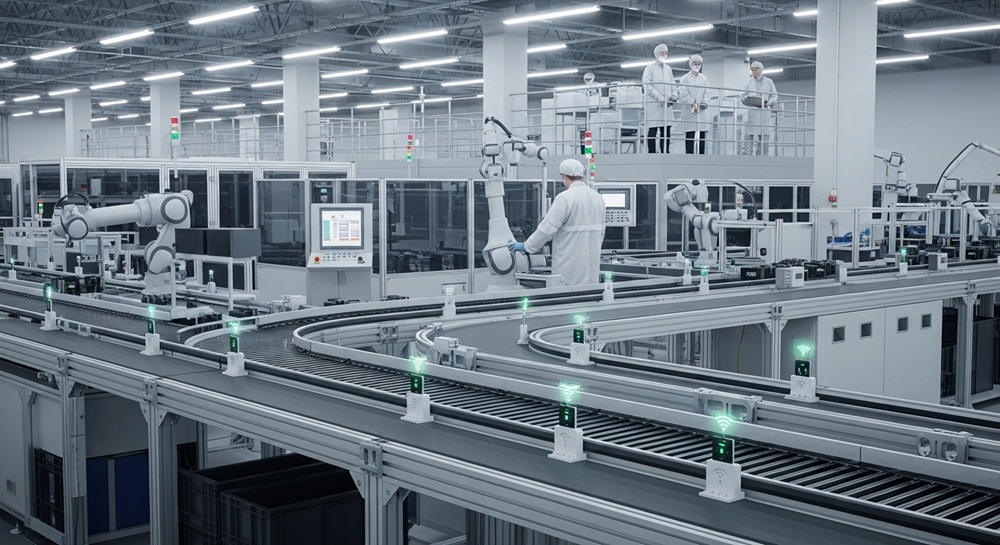
What tech powers smart factory IoT? From edge devices to cloud platforms, these tools enable seamless integration.
Edge computing processes data locally for 1ms responses, crucial for robotics, per Gartner’s edge guide. Blockchain ensures secure data sharing, reducing breaches 40%, as Deloitte blockchain notes.
Implementing smart factory IoT requires careful planning: Start with pilot lines, scale with interoperable systems.
Strategies include cybersecurity layers to protect data, per Cisco manufacturing IoT. Use open standards like OPC UA for compatibility, avoiding silos, as OPC Foundation recommends.
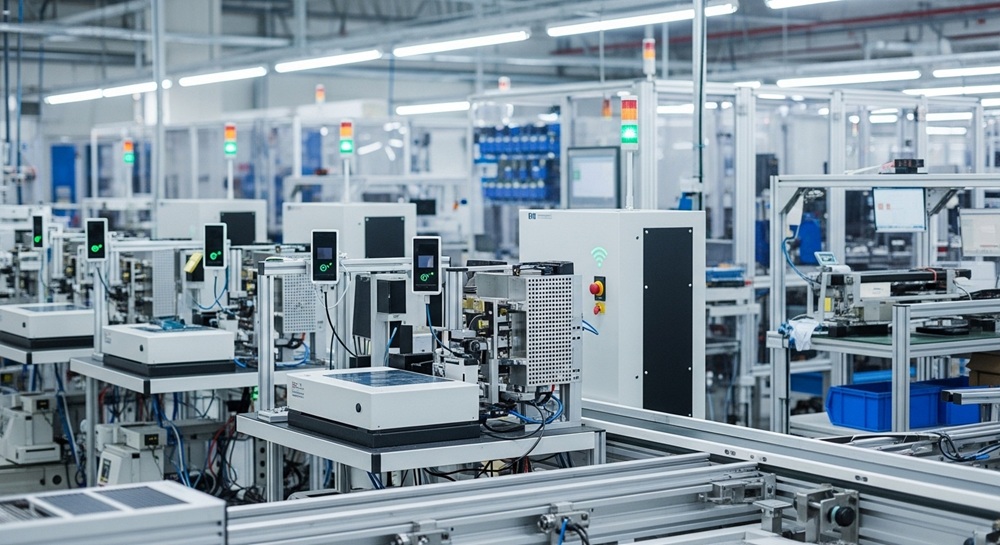
For electronics, focus on scalable sensors, cutting setup time 50%.
Measuring the Transformation's Success
Success in smart factory IoT shows in metrics: 30% higher OEE, 20% lower costs, per PwC smart factory.
In electronics, it means 15% yield improvements through real-time adjustments. Long-term, it supports sustainability, with 25% emission reductions, as WEF Industry 4.0 reports.
Insights into Emerging Developments
Looking forward, smart factory IoT will integrate 6G for sub-ms latency and quantum sensors for precision, market at $658.41 billion by 2032. Developments include AI twins for virtual factories, per Siemens digital twin.
How Panasia Solutions Drives Smart Factory Transformations
Headquartered in China with facilities in Shenzhen and Dongguan, Panasia Solutions offers end-to-end services from design to manufacturing and logistics. With 25+ years experience, we specialize in high-tech electronics and rigorously test/certify products to international standards.
Smart factory IoT is reshaping manufacturing. Ready to transform? Browse our services or contact our team today – let’s make your next product a success story.