At Panasia Solutions, we pride ourselves on partnering with forward-thinking businesses that are redefining their industries. One such partner is Apex Marine Products– a U.S.-based marine OEM components manufacturer. We recently spoke with Colton Knittig, President of Apex Marine, to learn more about his company’s journey, their innovative approach to marine-grade navigation lighting, and how Panasia Solutions has supported their mission every step of the way.
A Unique Path into Marine OEM Components
Panasia Solutions: Can you tell us about your role at Apex Marine Products and how you came to work in the marine OEM components industry?
Colton Knittig: I’m Colton Knittig, President of Apex Marine. We’re a marine OEM components manufacturer in the marine industry, producing signaling equipment like lights and horns – basically, parts that go on pleasure craft under 40 feet.
Although my title is President, in a small business you tend to wear many hats. I spend a lot of time managing customer relationships, developing new products, and supporting product development efforts. My day-to-day resembles that of a sales manager more than anything else – working closely with customers to maintain and grow those relationships.

I entered this space when I realized that there was a significant opportunity in supplying these components. I own another business called Grillight, which is grill tools with build in lights so I’ve developed some know-how around lighting. I noticed that these boating components were being sold for far more than what I thought they could be made for. The industry incumbents had developed large margins over the years which we saw as an opportunity


Panasia Solutions: What inspired Apex to specialize in areas like extruded rub rails, dock bumpers, and navigation lighting?
Colton Knittig: My background in LED lighting made the transition to marine lighting a natural fit. With Apex, I appreciate that it’s a business-to-business model. We’re not necessarily building a consumer brand – we deliver pallets of components to our customers every week. No fancy packaging or flashy marketing.
What makes our products unique is the manufacturing quality how highly regulated they are. Marine-grade navigation lighting and other components must meet rigorous U.S. Coast Guard standards, which adds complexity to the manufacturing process. That barrier to entry helps us maintain a competitive edge. It’s not something that can be easily replicated in a low-cost factory – these are precision-engineered, safety-critical parts.
Panasia Solutions: What are the biggest technical or regulatory challenges you’ve faced when designing marine-grade electrical and lighting components?
Colton Knittig: The biggest challenges are both environmental and regulatory. These products must endure harsh marine conditions – saltwater, UV rays, and heavy use – while maintaining reliability and safety. They also need to meet detailed technical specifications.
While design challenges are part of the job, the highly specific standards imposed by regulators like the USCG and ABYC create strict parameters. But those parameters also create barriers that help insulate us from low-quality competition.


Navigating a Shifting Regulatory Landscape
Panasia Solutions: How do changing regulatory standards (e.g. ABYC, DOT, USCG) impact your product development lifecycle and time-to-market?
Colton Knittig: Regulatory changes don’t happen often, but when they do, they can be significant. A few years ago, a new industry standard called C5 was introduced. It wasn’t a Coast Guard regulation, but it did increase testing requirements and raised the bar for product design.
Once you build a product that meets these stringent criteria, it generally remains valid for years – the standards evolve slowly, which gives our products longevity in the marketplace.
Panasia Solutions: Panasia Solutions partnered with Apex on navigation signal equipment certified to U.S. Coast Guard standards. Could you describe how that partnership began and evolved?
Colton Knittig: I’ve known Michael from Panasia Solutions for over a decade. We were introduced through a mutual connection at Grillight, and we’ve worked together on various projects since.
What makes Panasia such a valuable partner is their presence on the ground. Anyone can start emailing factories in China, but that rarely ends well. You need someone you trust – someone who can walk into a factory and make sure things are done right. That’s why I wanted to work with Michael on this project.
Panasia Solutions: In what specific ways did Panasia’s strengths in engineering, testing, certification, and logistics support Apex’s product goals?
Colton Knittig: The language barrier is a big issue in manufacturing – especially when you’re developing complex products. Panasia’s team bridges that gap. Michael and his team are fluent, which helps tremendously when resolving issues.
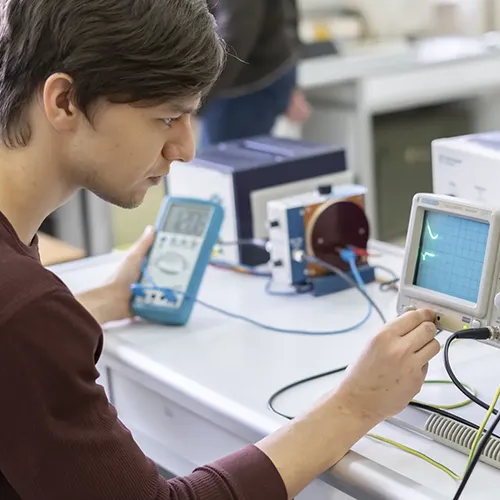
They’ve also been instrumental in internal product testing. Before we submit anything for costly third-party testing – which can run up to $15,000 and take months – we run internal tests with Panasia’s support. That helps us refine products faster and more cost-effectively, ensuring success when it’s time for official certification.


Driving Down Costs Without Compromising Quality
Panasia Solutions: Can you share an example where Panasia’s involvement – in mold design, prototyping, or certification – directly improved product performance or reduced production costs?
Colton Knittig: Absolutely. There are some waterproofing techniques we’ve learned through Panasia that have saved a great deal of time and money.
Also, their speed makes a big difference. I’m admittedly impatient, and while things rarely move as quickly as I’d like, Panasia significantly accelerates our timeline. Their insights into tooling costs and mold optimization have also helped us avoid unnecessary spending. They know what fair pricing looks like, and what to push back on.
Panasia Solutions: How has your collaboration with Panasia influenced your ability to compete globally – especially with OEM needs across offshore, marine, and off-road industries?
Colton Knittig: The ability to move fast is critical for a small business like ours competing with large, established players. Without Panasia, I’d probably be flying to China four or five times a year. Their team helps us stay lean and agile.
One of our biggest competitive advantages is what we call “factory-direct pricing.” Most of our competitors buy through multiple layers – factory to trading company to importer to distributor – but we cut those layers out. That keeps our costs low, and those savings go directly to our customers. In a discretionary market like boating, price matters. Working with Panasia allows us to stay competitive while maintaining quality.
Advice for OEM Businesses Exploring Manufacturing Partnerships
Panasia Solutions: What advice would you give to other marine OEM companies looking to collaborate with manufacturing and development partners like Panasia?
Colton Knittig: My best advice is: don’t go it alone. I’ve been manufacturing in China for over 15 years, and the key to success has always been having the right partner.
People come up with great product ideas all the time – but turning them into reality requires expert help. You can try to learn it yourself, but you’ll save time and avoid mistakes by working with someone who’s already been through the process. Panasia is that kind of partner – experienced, trustworthy, and hands-on.

Panasia Solutions: Looking ahead, what trends or technologies are you most excited about in marine navigation lighting and component design, and how is Apex planning to address them?
Colton Knittig: The marine OEM components space is dominated by a few large, long-established companies. While they produce great products, their size slows them down. That gives smaller companies like Apex an opportunity to move quickly and win market share.
We’re growing fast because we’re solving real problems for our customers. One client told me during the pandemic that they didn’t care if a part cost $200 – they just needed it. Now, they’re focused on cost again. If we can deliver that same part for $60 instead of $80, they’ll buy from us. That kind of agility is what makes this industry exciting right now.
Panasia Solutions:
Apex Marine Products is a shining example of how innovation, speed, and strategic partnerships can redefine what’s possible in marine OEM components. At Panasia Solutions, we’re proud to support visionary businesses like Apex with engineering, testing, and manufacturing expertise that accelerates their growth and ensures long-term success.
Want to explore how Panasia can support your OEM goals? Explore our full range of services or contact our expert team today to discover how we can bring your next project to life with speed and precision.