In the era of AI-driven devices, from smart assistants to autonomous vehicles, speed is everything. High-speed interconnects are the unsung heroes, enabling seamless data flow between components to handle massive AI workloads without bottlenecks. For manufacturers, mastering these means delivering products that are not only faster but also more reliable and energy-efficient, keeping pace with the demands of real-time processing.
The global interconnect market is projected to reach $10.6 billion by 2032, growing at 6.8% CAGR, fueled by AI and 5G needs. In 2026, high-speed interconnects like PCIe 6.0 could double bandwidth to 128 GB/s, slashing latency for AI inference, as innovations push electronics boundaries.

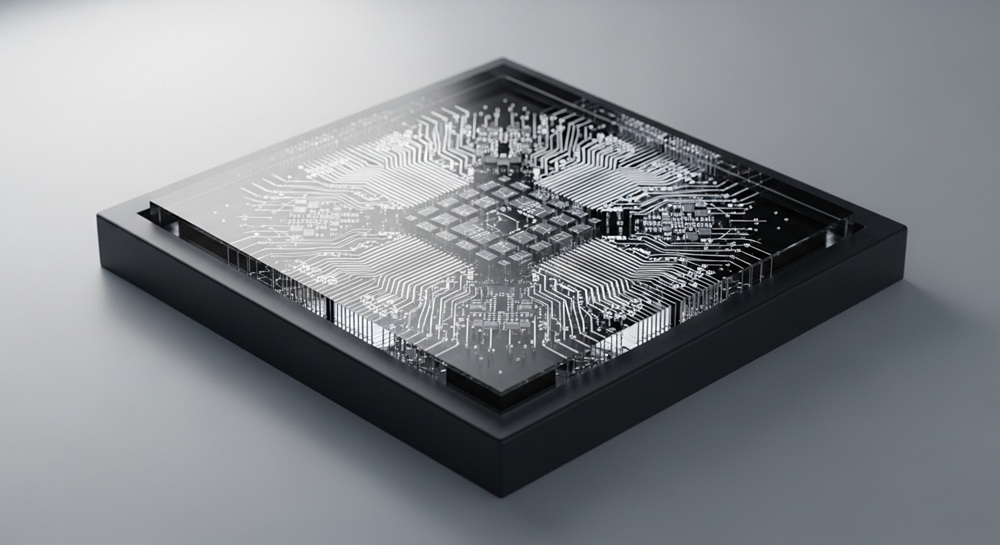
Why High-Speed Interconnects Are Essential for AI Products Today
AI applications require lightning-fast data transfer – think neural networks processing terabytes in seconds. Without robust high-speed interconnects, even powerful chips underperform, leading to delays and inefficiencies.
A McKinsey report highlights that interconnect bottlenecks could limit AI scaling by 2030, emphasizing the need for advanced solutions. In electronics, this means shifting from copper to optical links for 50% lower power use, per LightCounting forecasts.
Consumer demand for edge AI devices further drives adoption, with 5G enabling interconnects that support 10 Gbps speeds, as Ericsson notes.
Emerging Technologies Powering High-Speed Interconnects
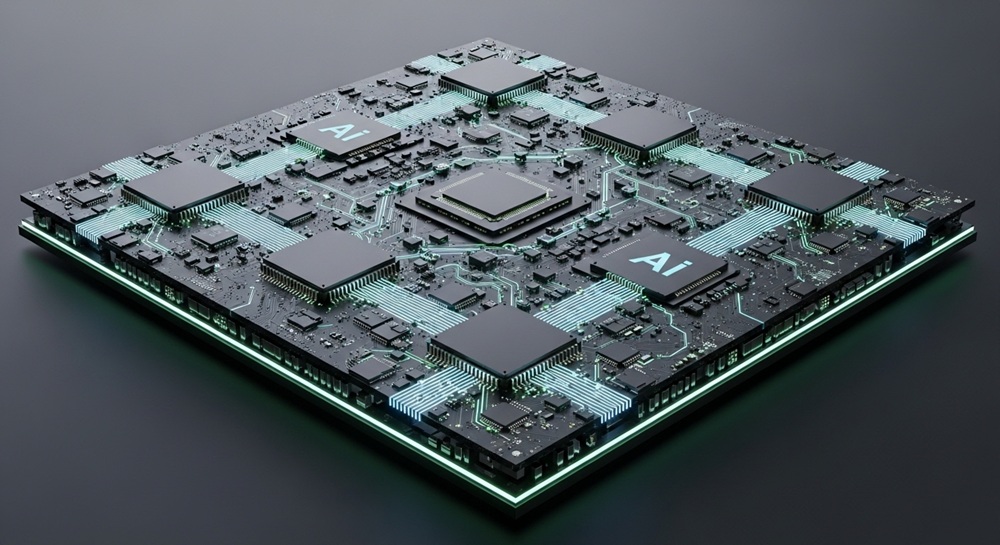
What cutting-edge tech is advancing high-speed interconnects? From silicon photonics to advanced packaging, these innovations are reshaping AI product design.
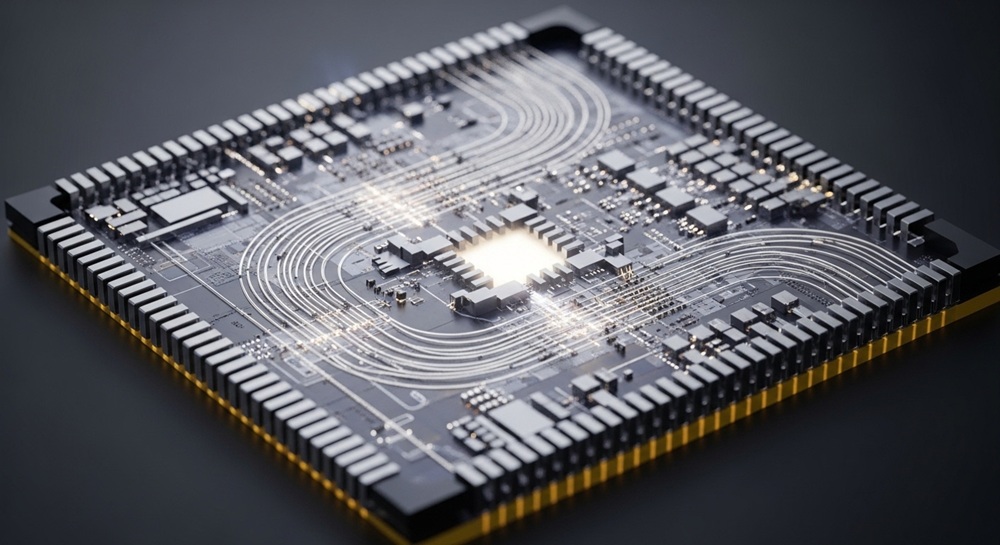
Silicon photonics integrates lasers into chips for optical data transfer, boosting bandwidth 100x over electrical, as SEMI Engineering explains. Chiplet architectures allow modular interconnects, reducing costs 20-30%, per Synopsys insights.
Panasia Solutions leverages these in electronics for optimized AI-enabled prototypes.
Breakthrough Interconnect Solutions
- PCIe 6.0 and CXL 3.0: Double bandwidth for AI servers, enabling coherent memory sharing, from PCI-SIG spec.
- Optical Fiber Advances: PAM4 modulation for 800G Ethernet, cutting power 50%, per Cisco 800G optics.
- 2.5D/3D Packaging: Stacks dies with through-silicon vias for 40% latency reduction, as in TSMC packaging.
Integration Strategies for Manufacturers
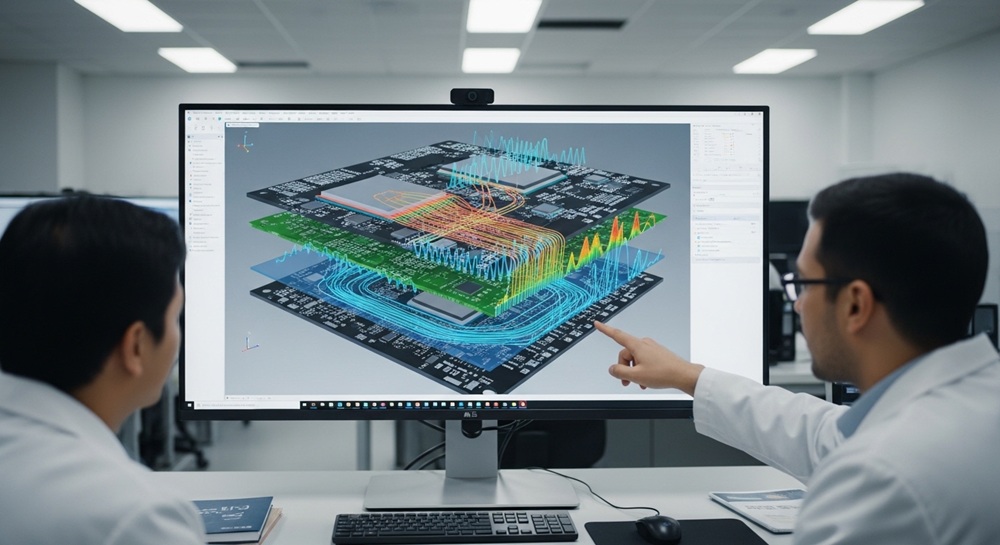
How do producers implement high-speed interconnects? Start with simulation tools to test designs virtually, then scale with hybrid boards.
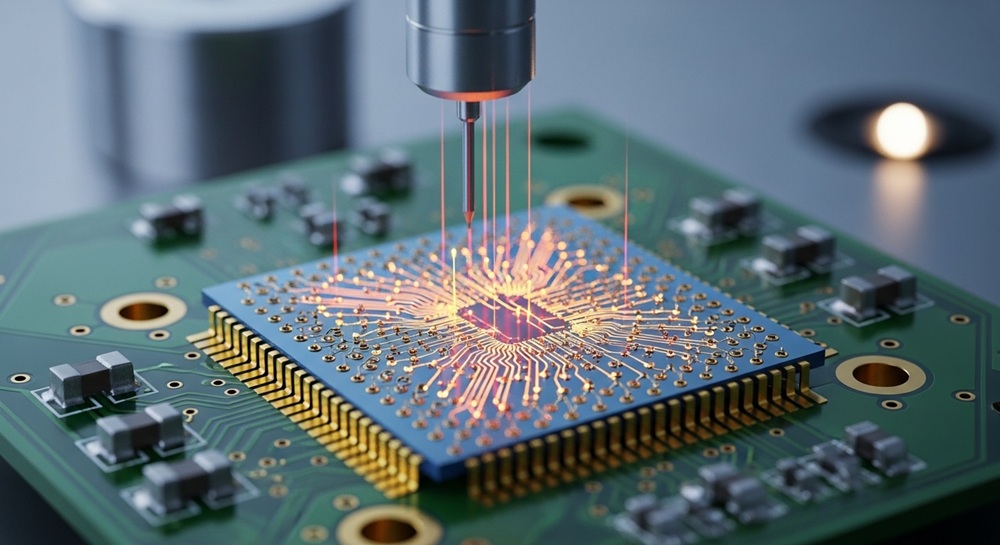
Strategies include using SerDes for long-reach signals, achieving 112 Gbps, per TE Connectivity guide. For AI, focus on thermal management to handle heat from dense interconnects, cutting failures 25%.
Sustainability integrates recycled materials in interconnects, reducing e-waste, as EPA electronics management advises.
Impact on Product Performance and Efficiency
High-speed interconnects supercharge AI products: 30% faster inference, 25% lower power, and scalable architectures for edge devices.
In manufacturing, they enable real-time monitoring, improving yields 15%, per Intel interconnect overview. Overall, they cut time-to-market 20-30%.
Deloitte’s AI insights predict $15.7 trillion economic boost by 2030 from such tech.
Industry Examples and Insights
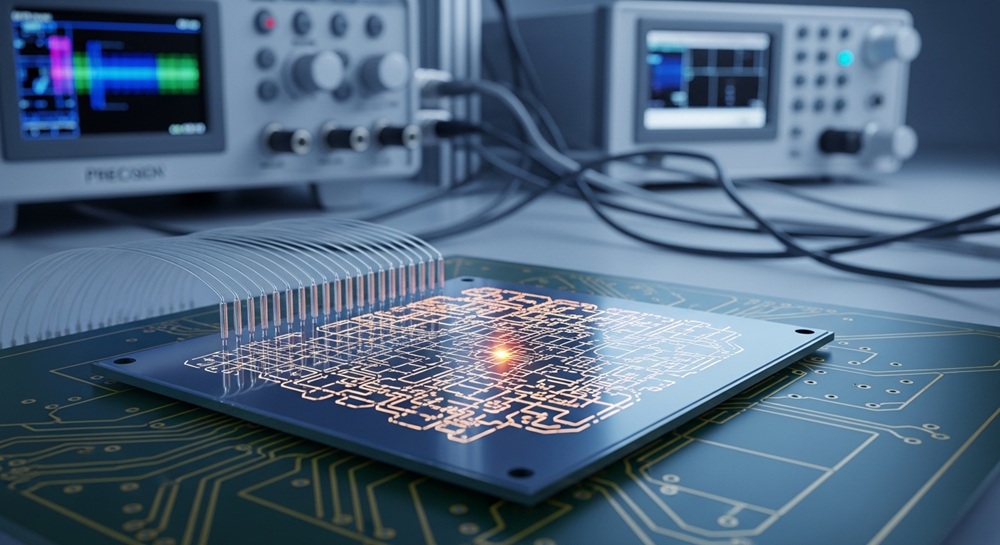
High-speed interconnects shine in AI servers (NVIDIA’s NVLink for GPU clustering) and 5G infrastructure (optical backplanes).
The market for high-speed connectors grows to $5.6 billion by 2027 at 9.5% CAGR. In automotive, they support ADAS with 10 Gbps links, per Automotive IQ.
Panasia Solutions applies these for high-performance electronics.
Overcoming Barriers in High-Speed Interconnects Adoption
Barriers like signal integrity are tackled with advanced materials.
Barrier | Overcoming Approach |
Signal loss | Low-loss dielectrics, per Samtec blog |
Heat dissipation | Liquid cooling, from EE Times AI |
Cost | Economies of scale, as in Nature interconnects |
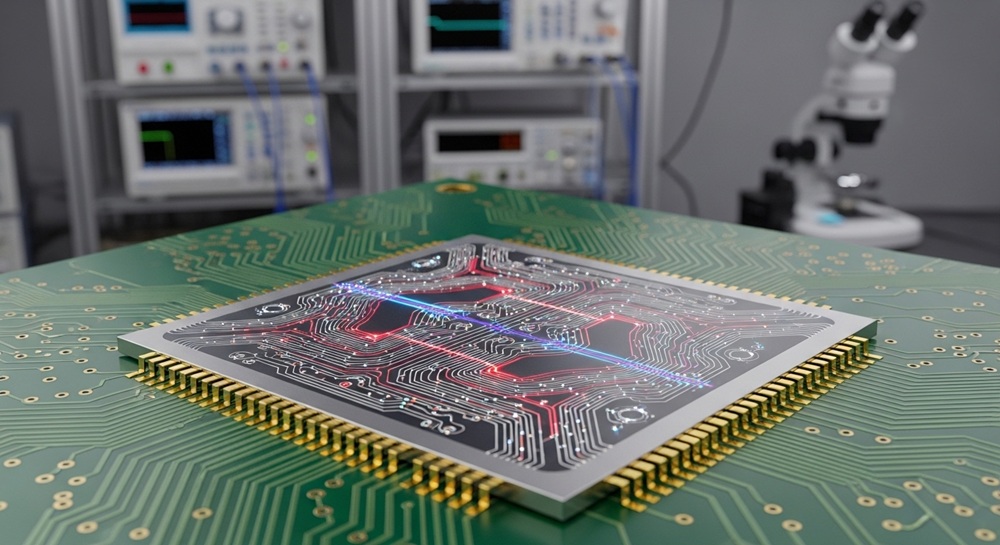
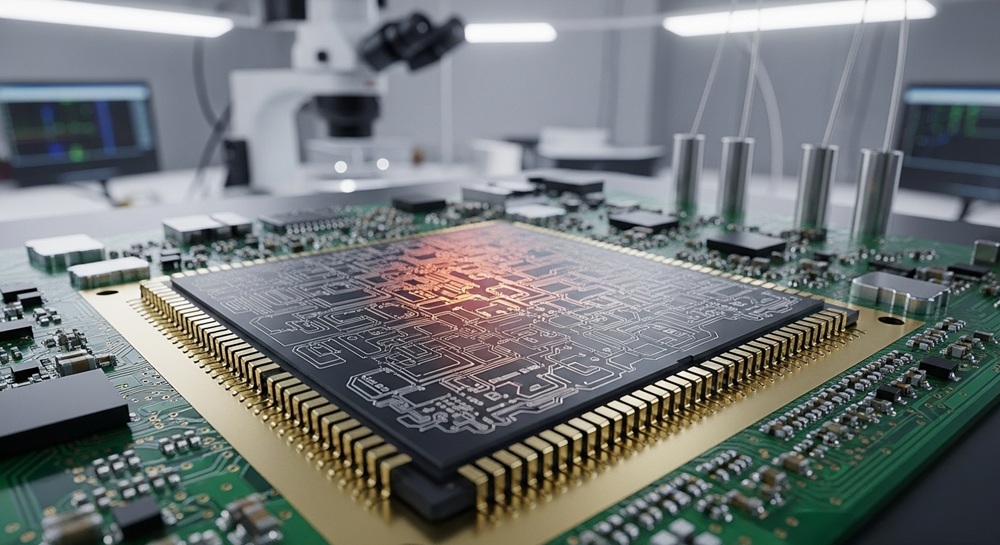
Looking Ahead: Trends in High-Speed Interconnects
By 2030, high-speed interconnects will feature terabit optics and quantum links, market at $5.6 billion. Trends: PAM8 modulation for 1.6T Ethernet, per Lightwave trends.
WEF future tech predicts 50% energy savings from photonics.
How Panasia Solutions Advances High-Speed Interconnects
Headquartered in China with facilities in Shenzhen and Dongguan, Panasia Solutions offers end-to-end services from design to manufacturing and logistics. With 25+ years experience, we specialize in high-tech electronics and rigorously test/certify products to international standards.

Conclusion
High-speed interconnects are fueling AI’s future. Ready to connect? Browse our services or contact our team today – let’s make your next product a success story.