Ever wondered how manufacturers are speeding up innovation while cutting costs? Edge computing manufacturing is the secret sauce, bringing data processing closer to the source in prototyping lines for real-time insights, reduced latency, and smarter decision-making. This approach is revolutionizing device development, from wearables to IoT gadgets, by enabling faster iterations and more efficient testing.
The global edge computing market is set to grow from $11.11 billion in 2025 to $43.4 billion by 2030 at a CAGR of 31.3%, driven by IoT proliferation and 5G adoption. In manufacturing, edge computing applications could save up to 20-30% on cloud costs while boosting uptime by 40%, making it indispensable for competitive prototyping.
The Evolution of Edge Computing in Manufacturing
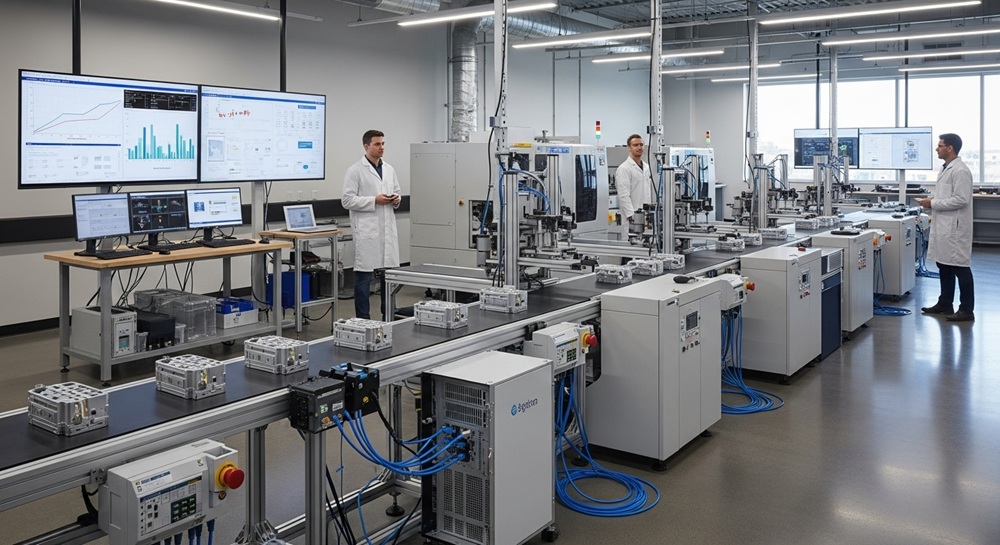
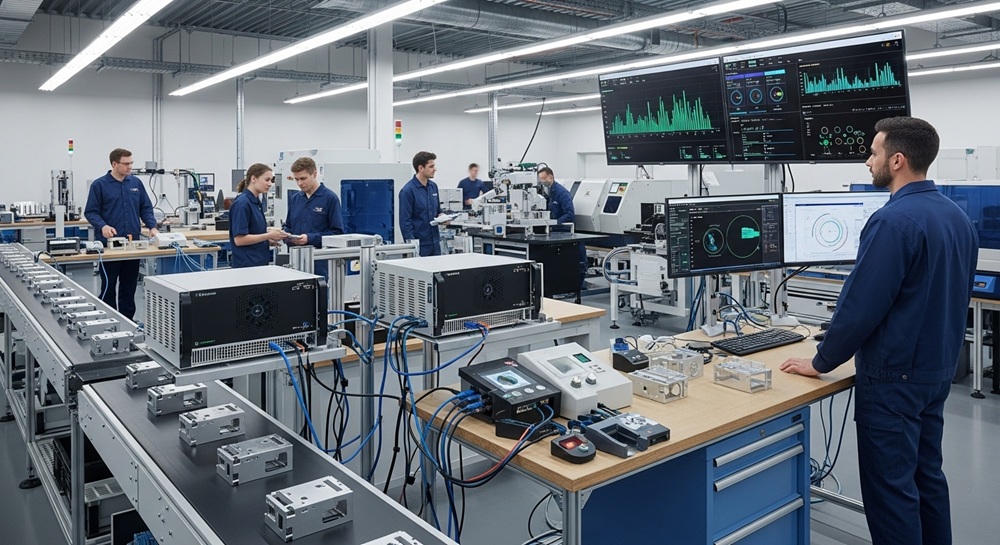
Let’s take a step back to understand how edge computing has evolved. What began as basic on-device processing in the 1990s has matured into sophisticated ecosystems integrating AI and 5G, shifting from centralized clouds to distributed edges for faster responses.
Recent forecasts show edge computing spending reaching $350 billion by 2027, with manufacturing leading at 15-20% share. This evolution addresses cloud limitations like bandwidth strain, as highlighted in McKinsey’s edge computing insights, enabling real-time analytics in factories.
Key Milestones in Edge Computing Technology
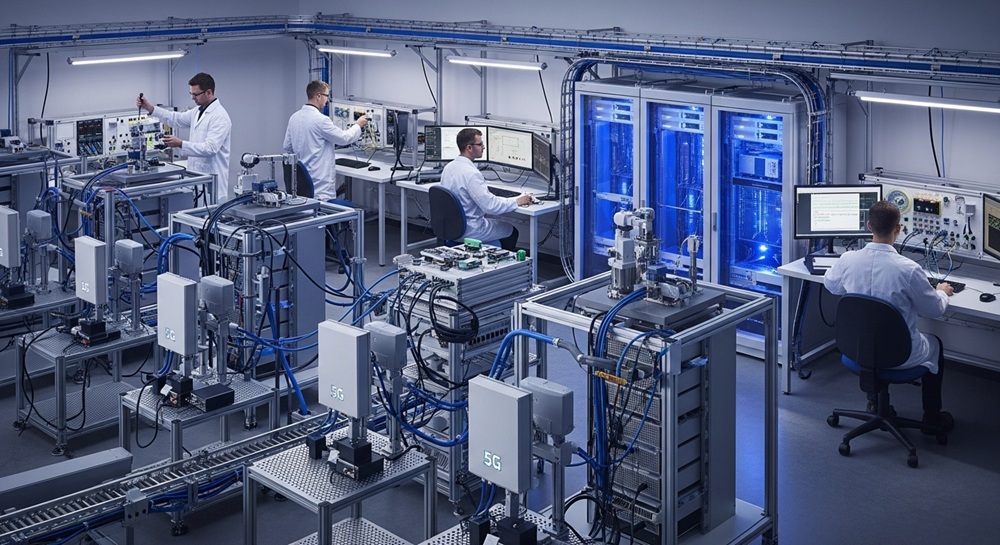
- 5G Integration: Ultra-low latency (1ms) for remote prototyping, per Ericsson’s 5G whitepaper.
- AI at the Edge: On-device ML models process data locally, reducing cloud dependency by 50%, as in IBM’s edge computing overview.
- Containerization: Kubernetes for edge orchestrates prototypes, boosting scalability, from Red Hat edge computing.
These milestones make edge computing vital for agile prototyping.
Key Applications of Edge Computing in Device Prototyping
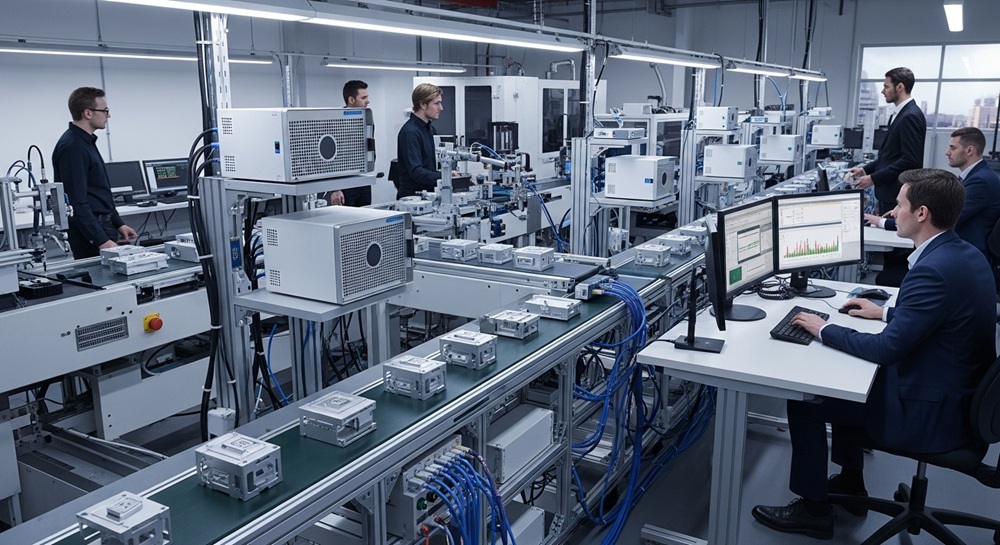
So, how is edge computing manufacturing applied in prototyping? From predictive maintenance to quality control, it processes data at the source for instant feedback.
In device testing, edge nodes analyze sensor data in real-time, cutting defect rates by 25%, according to Gartner’s edge computing guide. For IoT prototypes, it enables secure, low-latency simulations, as explored in Cisco’s edge solutions.
Sustainability benefits include energy optimization, with Accenture reporting 20% efficiency gains in smart factories.
Panasia Solutions incorporates these in electronics prototyping for faster, reliable iterations.
Core Application Areas
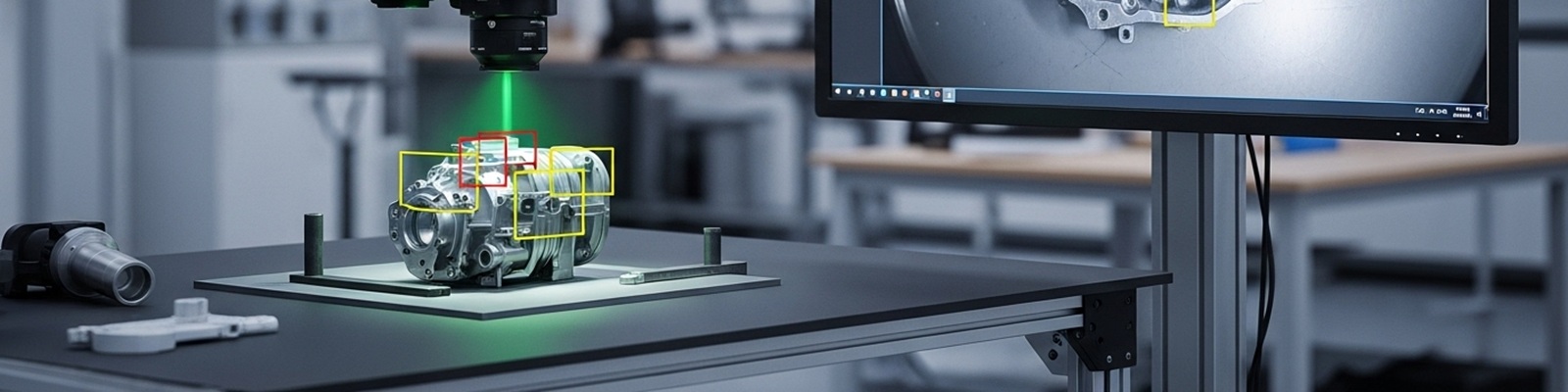
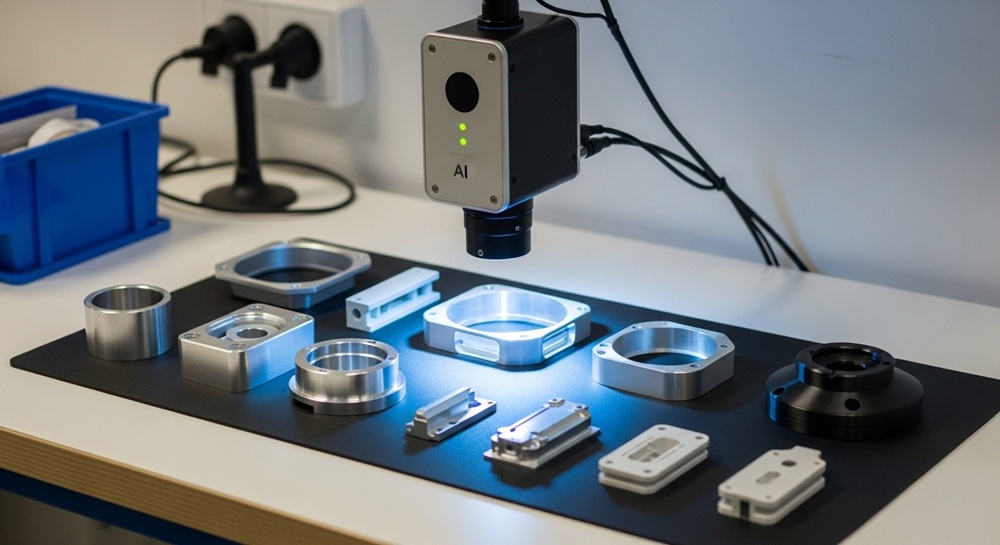
- Real-Time Quality Inspection: Edge AI cameras detect defects instantly, improving yields 15-20%, per AWS edge computing.
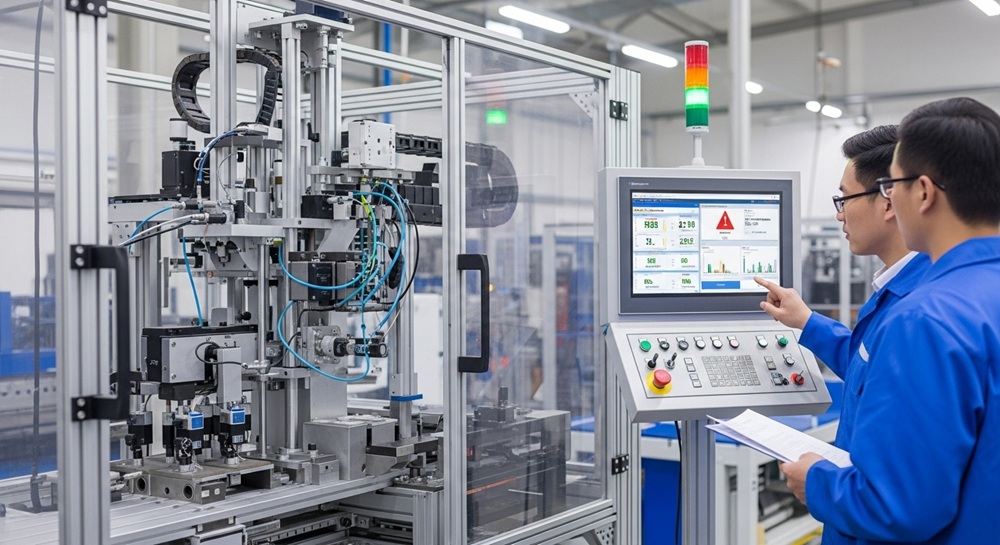
- Predictive Maintenance: Sensors predict failures, reducing downtime 30-50%, from Deloitte manufacturing insights.
- Remote Collaboration: 5G-edge enables virtual prototyping, cutting travel costs 40%, as in Intel edge overview.
These areas showcase edge computing manufacturing’s prototyping power.
Benefits of Edge Computing in Manufacturing Prototyping
Why embrace edge computing manufacturing for prototypes? Benefits include ultra-low latency (sub-10ms), enhanced security, and cost savings – cloud bills drop 30-50% by processing locally.
It also boosts innovation: Prototypes iterate 2x faster with on-site analytics, per BCG’s edge advantage. Sustainability wise, it cuts energy use 15-25% in data centers.
PwC reports edge adoption could add $2.6 trillion to manufacturing value by 2030.

Real-World Case Studies
- Siemens MindSphere: Edge analytics in factories cut downtime 45%, per Siemens case.
- Bosch Rexroth: 5G-edge for flexible lines, boosting efficiency 20%, from Bosch Rexroth cases.
- GE Aviation: Predictive edge maintenance saved $1B+, as in GE Digital.
These demonstrate edge computing manufacturing’s impact.
Industry Applications and Insights
Edge computing manufacturing excels in sectors like automotive (real-time EV testing) and healthcare (secure wearables prototyping).
The market reaches $19.59 billion in 2025, growing to $155.9 billion by 2030 at 51.3% CAGR. In electronics, it optimizes supply chains, per Supply Chain Dive.
Panasia Solutions uses these for consumer electronics prototyping, ensuring compliance and efficiency.
Challenges and Solutions
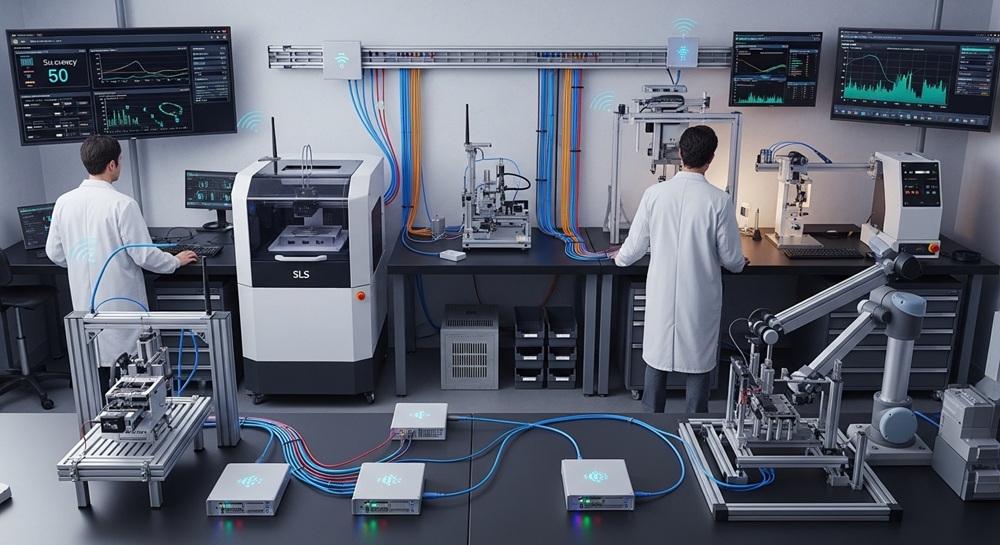
Challenges include interoperability and security, solved by standards like OPC UA and zero-trust models.
Challenge | Solution |
Data silos | Federated learning, per arXiv federated edge |
Security risks | Blockchain encryption, from ScienceDirect edge security |
Scalability | Container orchestration, as in KubeCon insights |
Future Trends in Edge Computing Manufacturing
By 2030, edge computing manufacturing will integrate 6G and quantum sensing, with market at $155.9 billion. Trends: AI federated learning for privacy, per WEF edge future.
Deloitte’s trends predict 75% enterprise data processed at edge by 2025.
How Panasia Solutions Supports Edge Computing Manufacturing
Headquartered in China with facilities in Shenzhen and Dongguan, Panasia Solutions offers end-to-end services from design to manufacturing and logistics. With 25+ years experience, we specialize in high-tech electronics and rigorously test/certify products to international standards.
Explore our consumer electronics capabilities and testing services for edge computing manufacturing alignment.
Conclusion
Edge computing manufacturing is reshaping prototyping. Ready to edge your devices? Browse our services or contact our team today – let’s make your next product a success story.