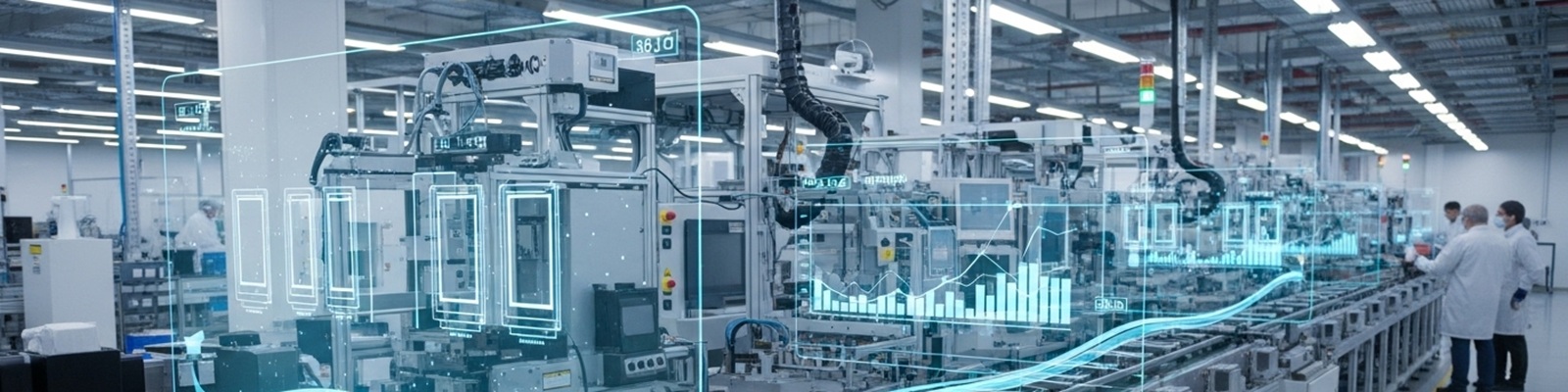
Ever wondered how manufacturers predict and optimize production without real-world risks? Digital twins manufacturing is the breakthrough, creating virtual replicas of physical assets for simulations that boost efficiency, cut downtime, and accelerate innovation. In device prototyping and beyond, digital twins allow teams to test scenarios digitally, saving time and resources while enhancing accuracy.
The global digital twin market is projected to grow from $10.1 billion in 2025 to $36.3 billion by 2028 at a CAGR of 47.4%. In manufacturing, digital twins could reduce unplanned downtime by 50% and improve product quality by 20-30%, making it a cornerstone for Industry 4.0.
The Evolution of Digital Twins in Manufacturing
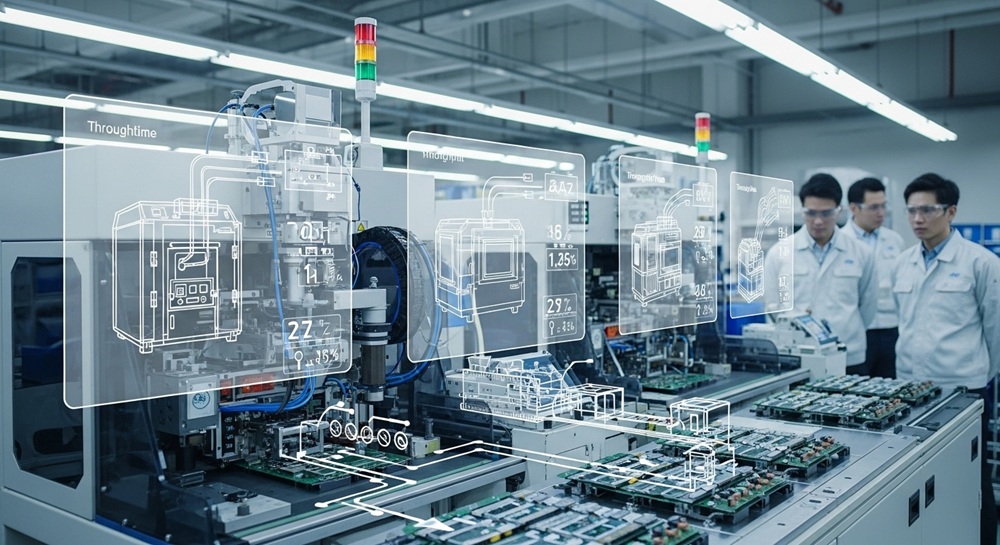
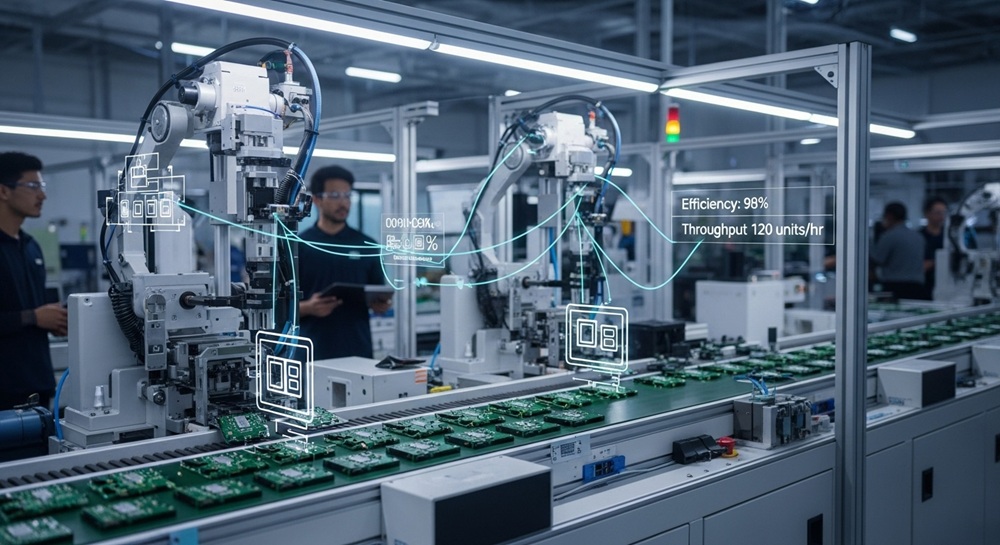
Let’s explore how this has evolved. Originating from NASA’s Apollo program in the 1960s for spacecraft mirroring, it matured in the 2000s with IoT and AI, enabling real-time simulations.
Today, digital twins integrate with 5G for ultra-low latency updates, as McKinsey highlights in product development. The market’s growth is fuelled by predictive maintenance, with Gartner forecasting 75% of enterprises using twins by 2027.
Key Milestones in Digital Twin Technology
- IoT Integration: Sensors enable live data syncing, boosting accuracy 40%, per IBM’s digital twin overview.
- AI and ML Enhancements: Predictive analytics forecast failures, reducing costs 10-20%, from Deloitte manufacturing insights.
- Cloud-Edge Hybrids: For scalable simulations, as in AWS digital twin guide.
These milestones make digital twins indispensable for simulations.
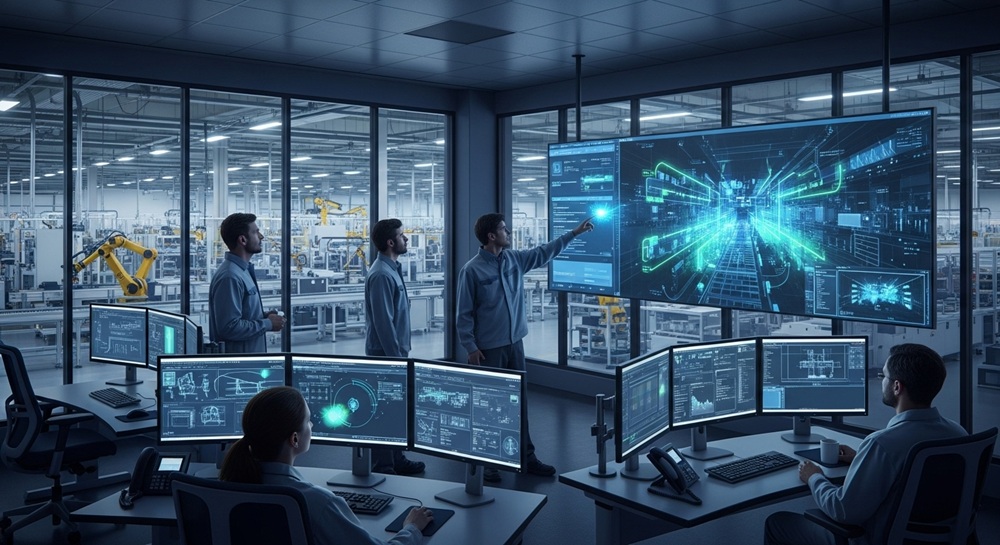
Key Applications of Digital Twins in Manufacturing Simulations
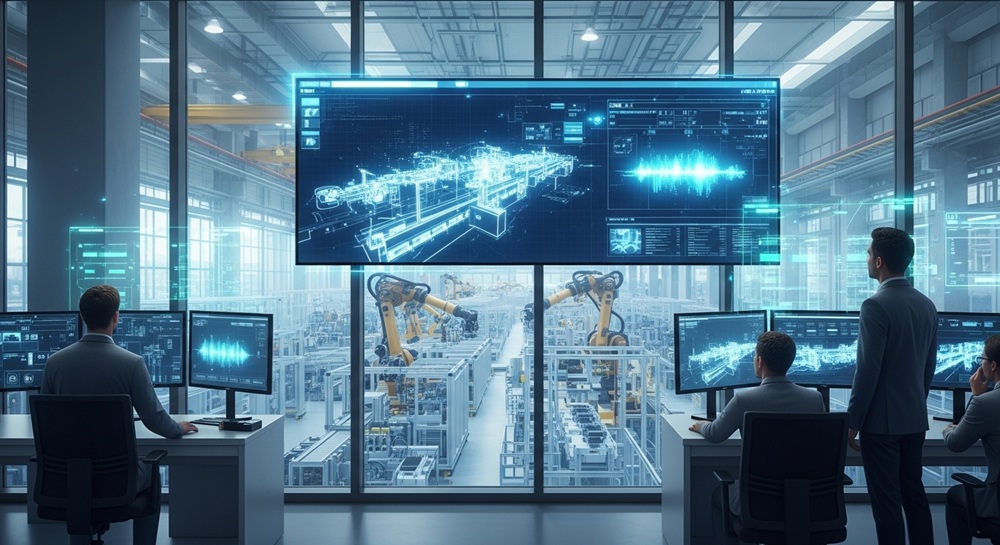
How are they applied in simulations? From virtual prototyping to supply chain optimization, they provide actionable insights.
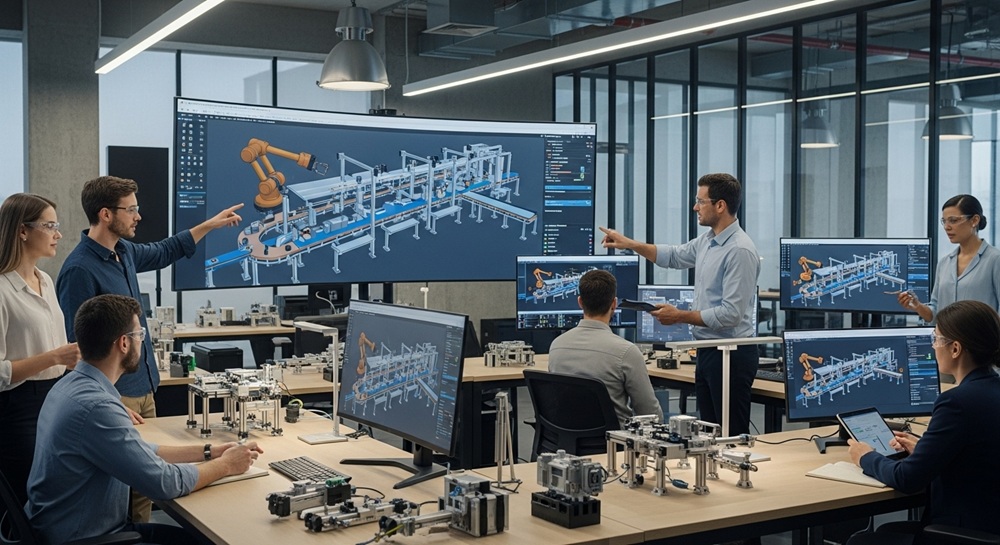
In device assembly, twins simulate line configurations, cutting setup time 30%, according to PTC’s digital twin tech. For quality control, they predict defects in real-time, as Siemens demonstrates in factories.
Sustainability benefits include energy modelling, reducing consumption 15-25%, per Accenture sustainable manufacturing.
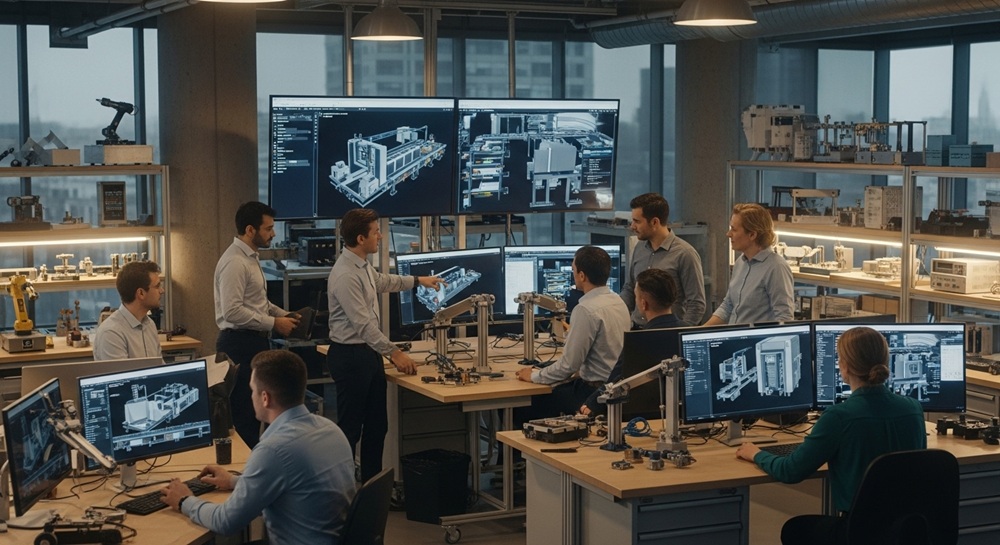
Panasia Solutions uses these for electronics simulations, ensuring efficient prototyping.
Core Application Areas
- Predictive Maintenance: Twins monitor equipment virtually, extending life 20-30%, from GE Digital twins.
- Process Optimization: Simulate workflows for 25% throughput gains, per BCG manufacturing report.
- Supply Chain Resilience: Model disruptions, improving agility 35%, as in Supply Chain Dive.
These areas highlight digital twins manufacturing’s simulation power.
Benefits of Digital Twins in Manufacturing
So, why invest? Benefits include 20-50% faster product development and 10-20% cost reductions through virtual testing.
They also enhance collaboration, allowing remote teams to iterate digitally, per PwC digital twins. Sustainability wise, they optimize resources, cutting waste 15%.
Deloitte reports twins add $1.3 trillion in value by 2030.
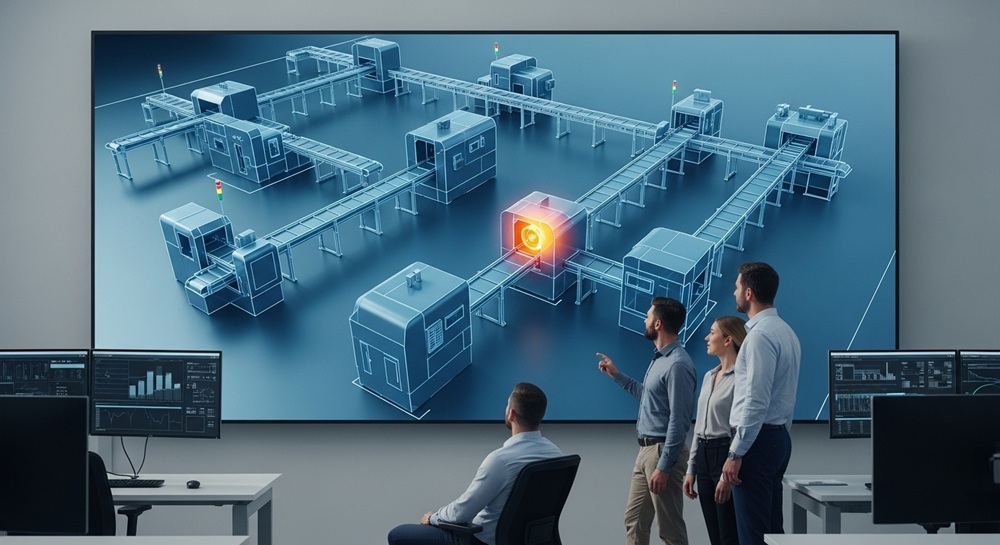
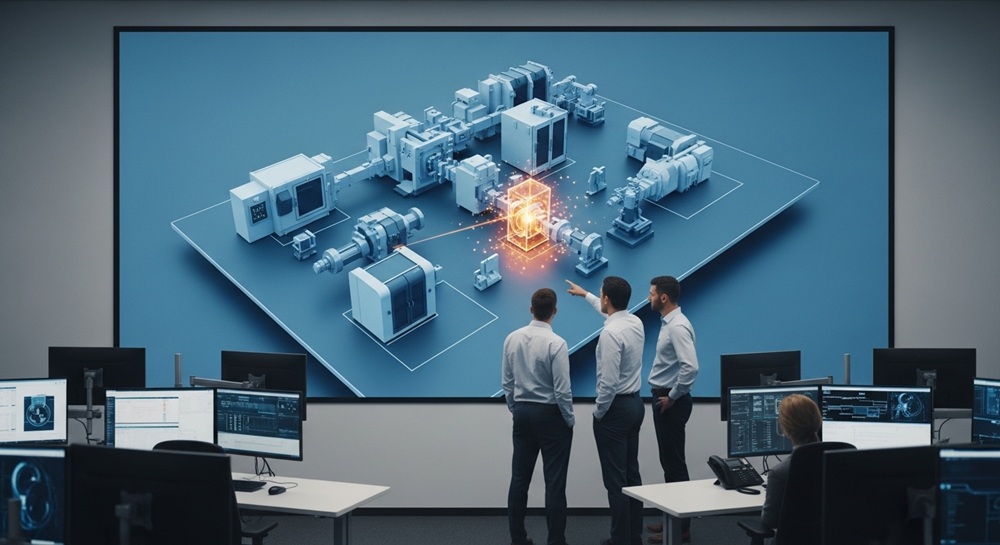
Real-World Case Studies
- GE Aviation: Twins reduced engine downtime 50%, per GE case.
- Bosch: Optimized factories with twins, boosting efficiency 20%, from Bosch stories.
- Unilever: Supply chain twins cut costs 15%, as in Unilever news.
These show digital twins manufacturing delivering results.
Industry Applications and Insights
Digital twins manufacturing applies in automotive (virtual crash tests), aerospace (component simulations), and electronics (circuit modelling).
The market reaches $26.1 billion in 2025, growing to $110.1 billion by 2028 at 61.3% CAGR. In healthcare, twins simulate devices, per FDA digital twins.
Panasia Solutions leverages these for consumer electronics simulations.
Challenges and Solutions
Challenges like data integration are solved by standards like OPC UA.
Challenge | Solution |
Data silos | Federated platforms, per arXiv federated twins |
Security | Blockchain, from ScienceDirect twin security |
Scalability | Cloud hybrids, as in Azure twins |
Future Trends in Digital Twins Manufacturing
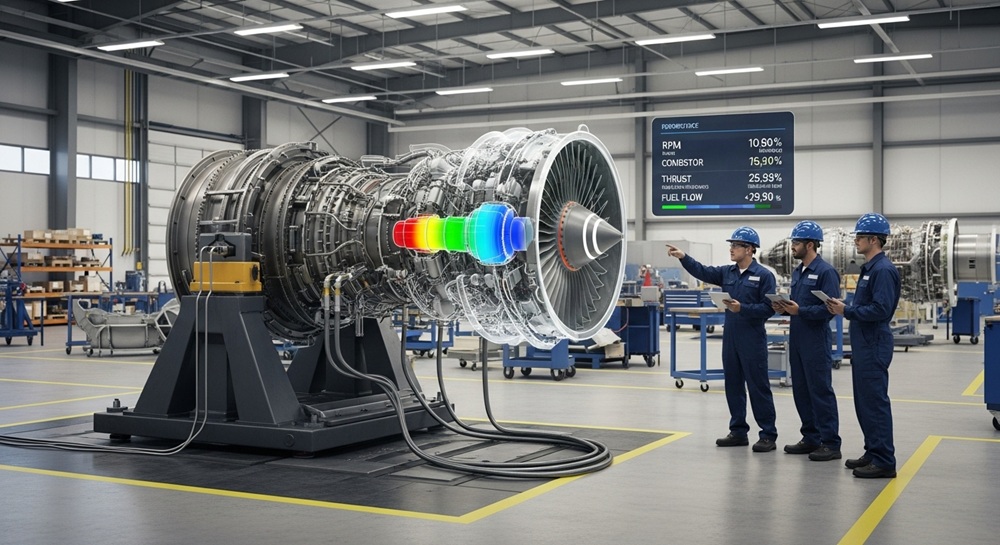
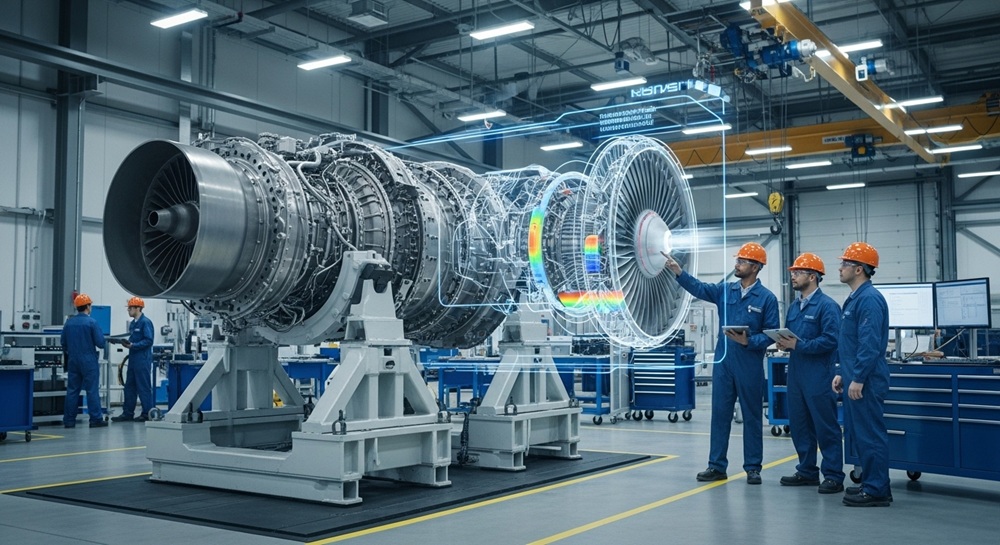
By 2030, digital twins manufacturing will incorporate AR/VR for immersive simulations, market at $110.1 billion. Trends: AI twins for autonomy, per WEF twin future.
Deloitte’s trends predict widespread metaverse integration by 2026.
How Panasia Solutions Supports Digital Twins Manufacturing
Headquartered in China with facilities in Shenzhen and Dongguan, Panasia Solutions offers end-to-end services from design to manufacturing and logistics. With 25+ years experience, we specialize in high-tech electronics and rigorously test/certify products to international standards.
Explore our consumer electronics capabilities and testing services.
Conclusion
Digital twins manufacturing is transforming simulations. Ready to simulate your success? Browse our services or contact our team today – let’s make your next product a success story.