Prototyping and Testing: Essential for Reliable Consumer Electronics
Dive into prototyping and testing in consumer electronics at Panasia. Use iterative cycles with 3D models and reports to cut costs by up to 50% and align with 2025 trends in rapid tech.
Facing Challenges in Consumer Electronics Prototyping and Testing?
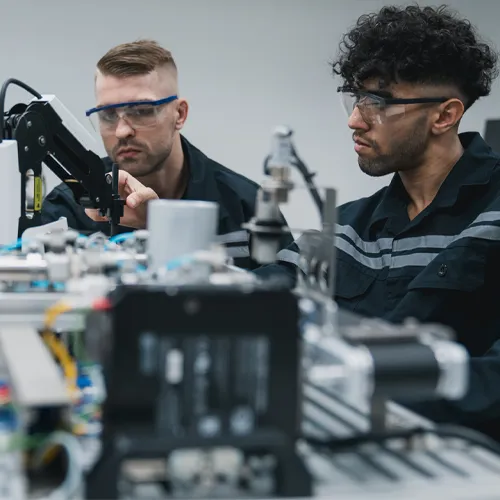
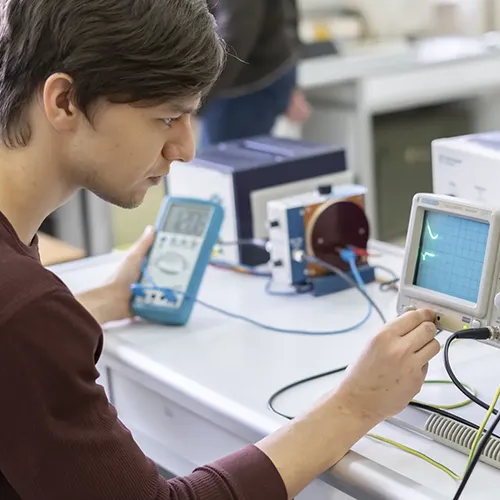
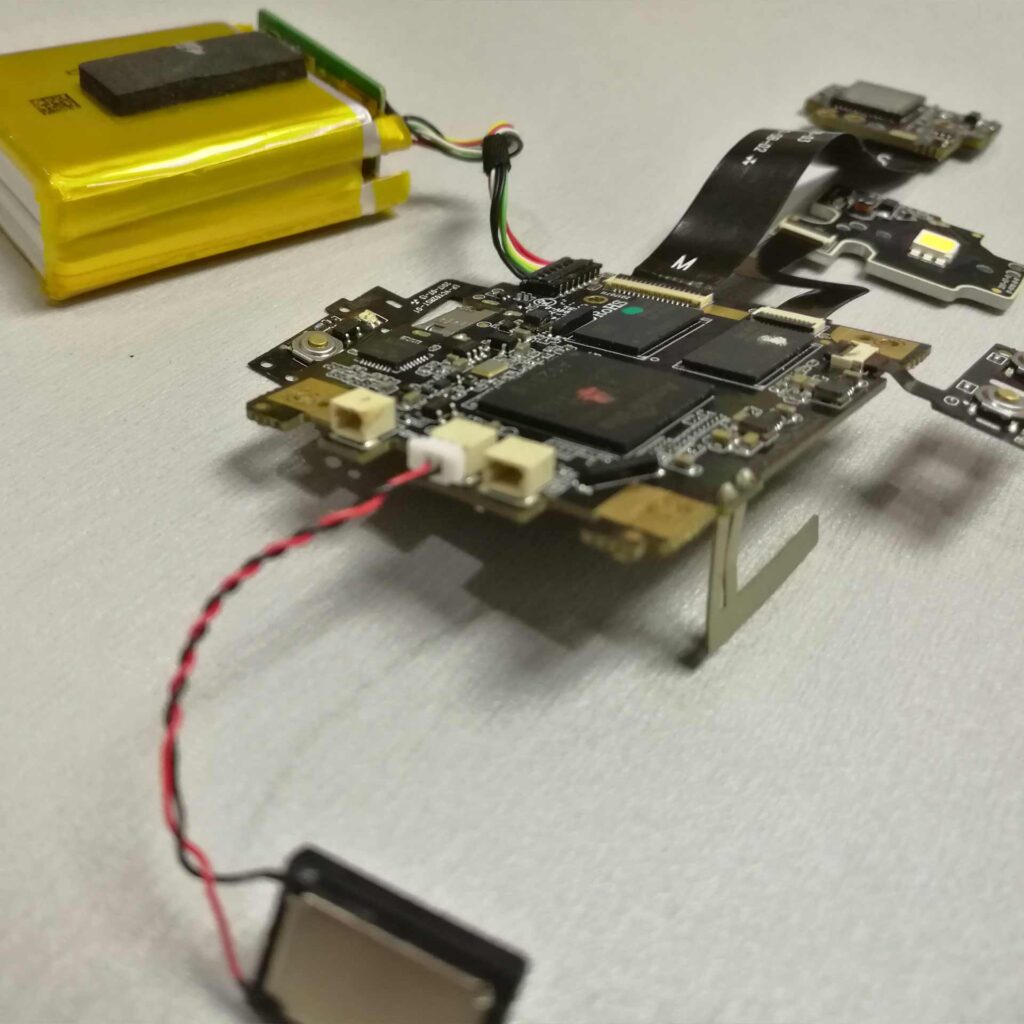
Panasia Solutions handles this critical stage with multiple iterative cycles, using cost-effective methods like 3D printing or CNC to refine designs quickly. We conduct thorough on-site tests, generating detailed reports with photos and videos to identify issues early, feeding back into QC for production readiness. This ensures products like IoT devices and flashlights meet high standards without excessive expenses.
Prototyping errors can delay projects, but our approach leverages rapid techniques to save up to 50% in development costs and reduce time-to-market significantly. In 2025, with the rapid prototyping market projected to grow from $4.01 billion to $21.47 billion by 2034 at a 20.5% CAGR, trends emphasize AI-driven tools and sustainable practices for efficient validation. Our method aligns with these, helping clients achieve up to 90% savings in some cases through iterative improvements.
Why Panasia Excels in Prototyping and Testing
We differentiate through local oversight for fast turnarounds and integrated reporting, turning potential problems into proactive fixes. This minimizes the risks of incomplete prototypes, common in remote setups. Explore our strengths:
Method Selection: Opt for 3D models for affordability and speed, or CNC for precision, depending on product requirements like material needs.
USPs: Quick cycles (2-4 iterations) with detailed testing reports, ensuring issues like technical glitches are caught early and documented.
Market Focus:
Primary: North American/European enterprises in subsectors such as wearables and nautical electronics.
Secondary: Asian innovators in emerging tech like sustainable gadgets.
From concept design to prototype development, manufacturing, and global logistics — Panasia Solutions is your trusted partner, ready to bring your vision to life with tailored, end-to-end solutions.
Best Practices for Prototyping and Testing
Enhance your consumer electronics workflow with these effective tactics:
Separate prototypes by goals, such as functional vs. aesthetic, to focus iterations efficiently.
Order extra boards or models to account for unexpected damage and keep momentum.
Use digital tools like 3D modelling software for precision and rapid adjustments before physical builds.
Industry experts note that rapid prototyping maximizes time and cost savings, with techniques like additive manufacturing reducing lead times by 40% or more. Always incorporate real elements for accuracy and build from the inside out to test core functions first.
2025 Trends in Prototyping and Testing for Electronics
Advancements like 5G connectivity and preventative tech are reshaping prototyping, with a surge in electronic prototyping markets at 11.1% annual growth through 2032. Focus areas include cybersecurity in designs and semiconductor innovations, driving the need for robust testing protocols. Panasia incorporates these by prioritizing iterative validation, supporting a market expected to see continued upward trends in components through 2025.
How Prototyping and Testing Integrate with The Panasia Process
This stage flows from design approvals, using updated development sheets to guide iterations and inform QC. It bridges to manufacturing by resolving defects early, ensuring seamless progression for products requiring tooling or high-volume runs.