Taking a consumer electronics idea from concept to a finished product is rarely a simple journey. The distance between saying “this would be a useful product” and putting a reliable, production-ready device into customers’ hands can involve product design, engineering, prototyping, software development, testing, certification, sourcing, manufacturing, quality assurance, packaging and logistics.
SnapFlash® provides a real-world example of what that journey can look like when those disciplines are brought together under one manufacturing partner.
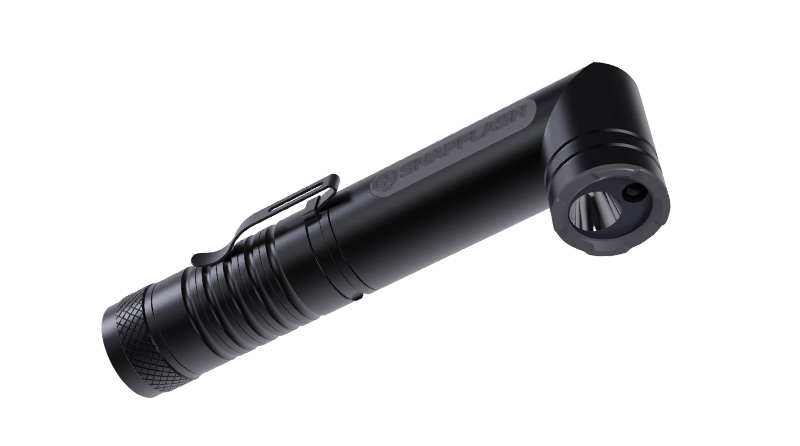
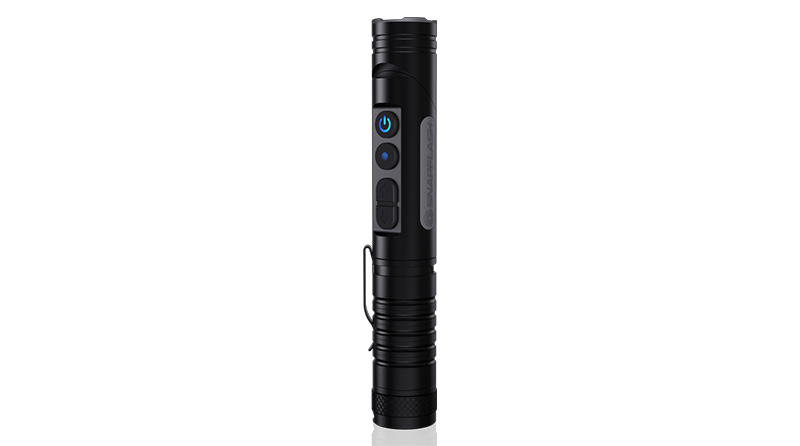
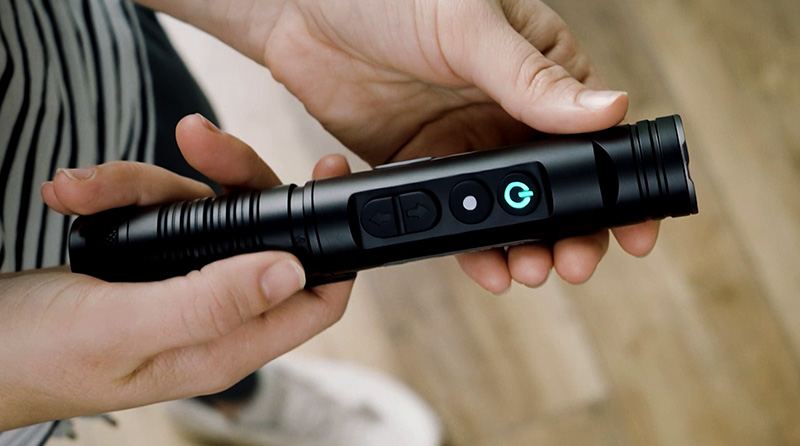
Developed by Panasia Solutions, SnapFlash® is a wireless inspection tool that combines an LED flashlight with an integrated HD camera and smartphone connectivity. Panasia led the product development process from the initial concept through mass production, covering product design, engineering, software development, sourcing, manufacturing, quality assurance, packaging and logistics.
The result has already received meaningful market validation. SnapFlash®’s 2026 Kickstarter campaign raised $49,669 from 348 backers, against an original goal of $10,000.
That makes SnapFlash® more than a product launch story. It is an example of how structured consumer electronics product development can turn an idea into a commercially viable product.
What Does Consumer Electronics Product Development Actually Involve?
For many businesses, product development begins with an idea. Perhaps there is a problem that existing products do not solve particularly well. Perhaps several existing products could be combined into one more useful device. Or perhaps a business has identified an opportunity that requires completely new hardware.
The initial idea is only the starting point. A successful consumer electronics product needs to move through several stages before it is ready for customers:
- Product concept and industrial design
- Engineering and component selection
- Prototype development
- Hardware and software integration
- Testing and validation
- Certification
- Sourcing and supply-chain development
- Manufacturing
- Quality assurance
- Packaging
- Distribution and logistics
Each stage creates its own challenges. More importantly, the stages are connected.
A decision made during product design can affect engineering. An engineering decision can affect manufacturing. Component availability can influence the design. Software needs to work with the hardware. Testing can reveal changes that need to be made before production.
That is why experienced product development is not simply a sequence of isolated tasks. It is a coordinated process.
The Idea Behind SnapFlash®
The fundamental idea behind SnapFlash® is straightforward. People regularly need to see into places that are difficult to reach or poorly illuminated. Mechanics, electricians, plumbers, HVAC technicians, inspectors and DIY users can all encounter situations where a conventional flashlight is not enough.
At the same time, being able to see something is often only part of the problem. There can also be a need to document what was found.
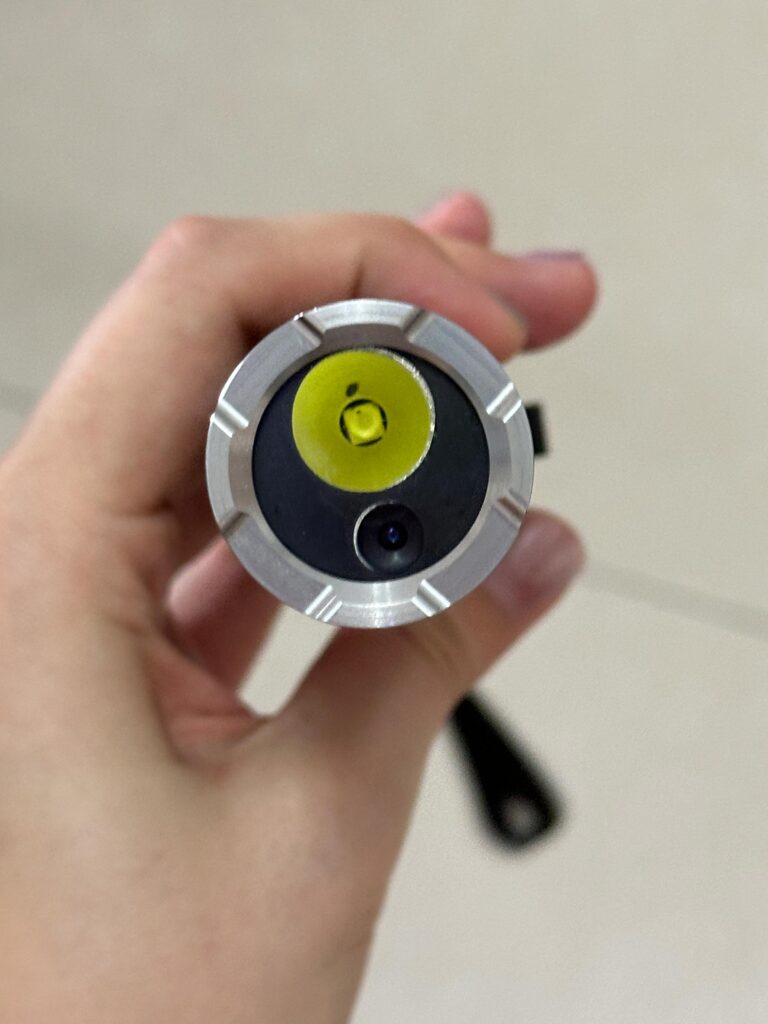
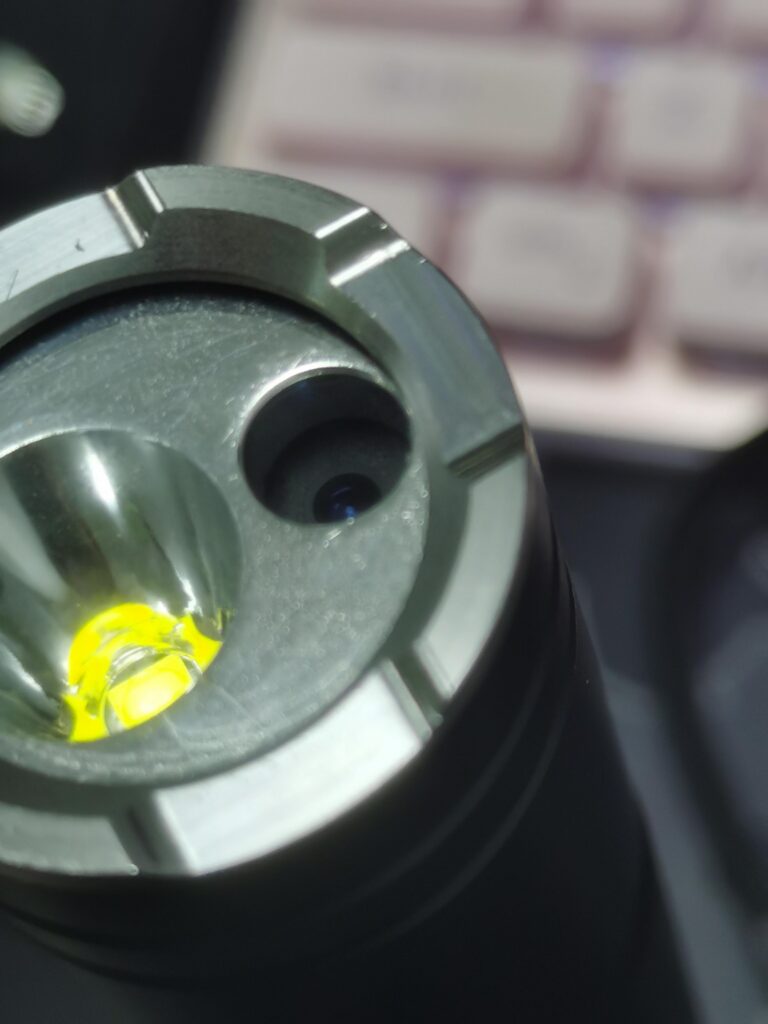
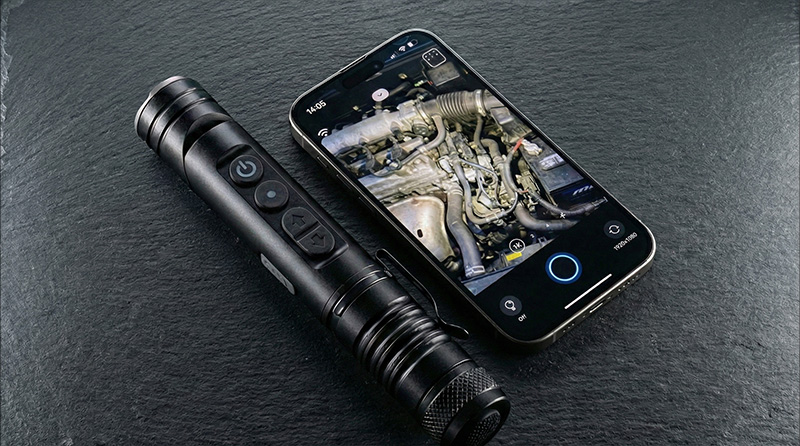
SnapFlash® combines illumination and an integrated camera, while allowing users to view the camera feed through a smartphone or tablet. The official product site describes it as a wireless inspection tool designed to help users see, capture and share what they cannot easily see directly.
That combination creates a more interesting engineering challenge than simply producing another flashlight. The device needs to illuminate the inspection area, capture useful imagery, communicate wirelessly with a mobile device and remain practical enough to use in real working environments.
The concept therefore needed to become an integrated product rather than a collection of individual features.
Turning a Product Idea Into a Real Engineering Project
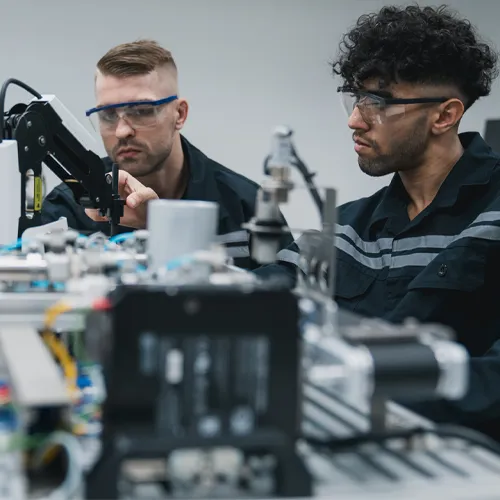
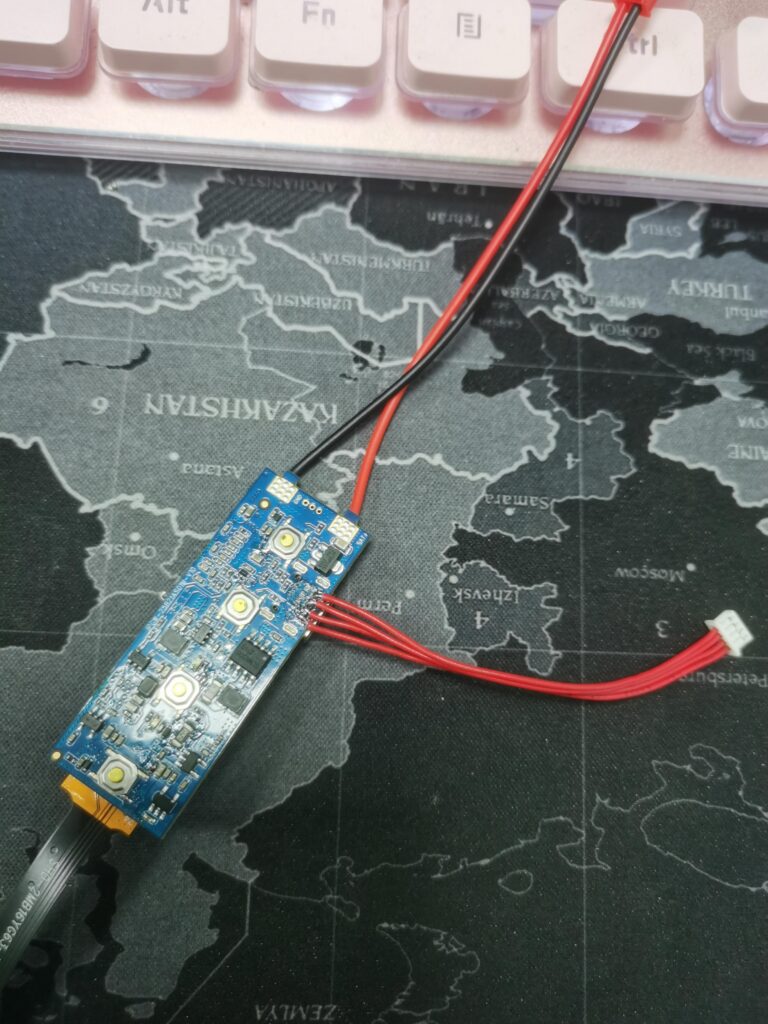
This is where product development starts to become significantly more complex. A concept can describe what a product should do. Engineering has to determine how it will actually do it. For SnapFlash®, that meant bringing together physical hardware, optics, lighting, wireless connectivity, power management, mechanical design and mobile software.
The product also needed to be compact and portable.
The official product specifications identify Wi-Fi connectivity, an integrated HD camera, rechargeable lithium-ion power, USB-C charging, an adjustable head and IP67 protection among its features. Each of those elements introduces engineering considerations.
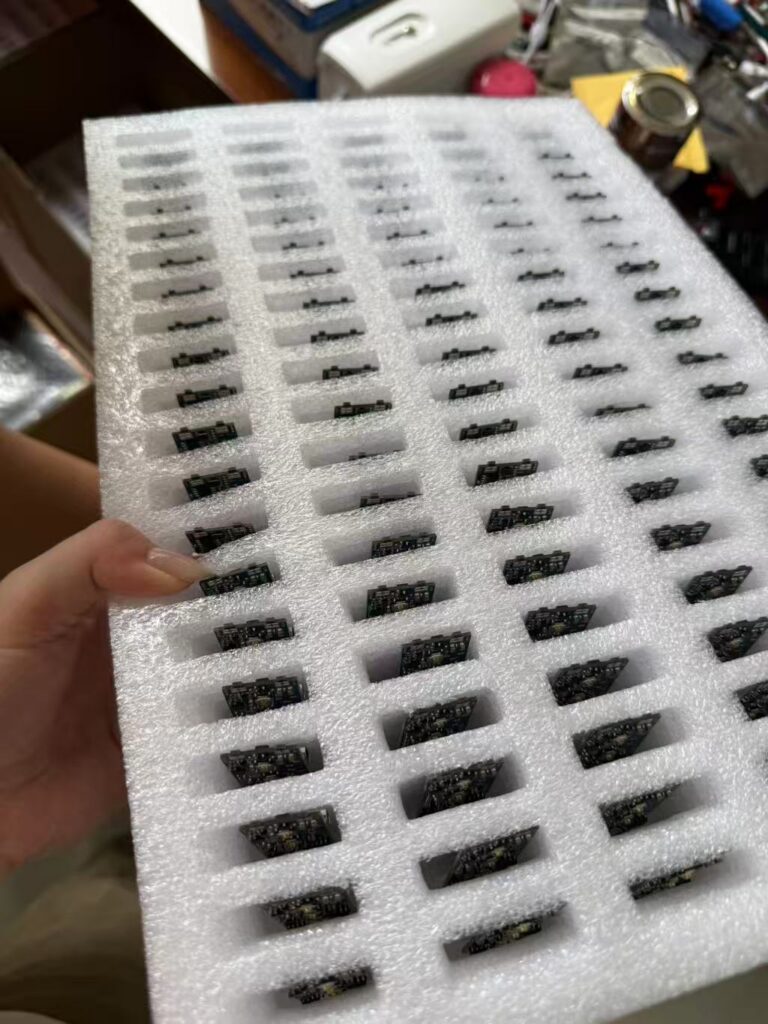
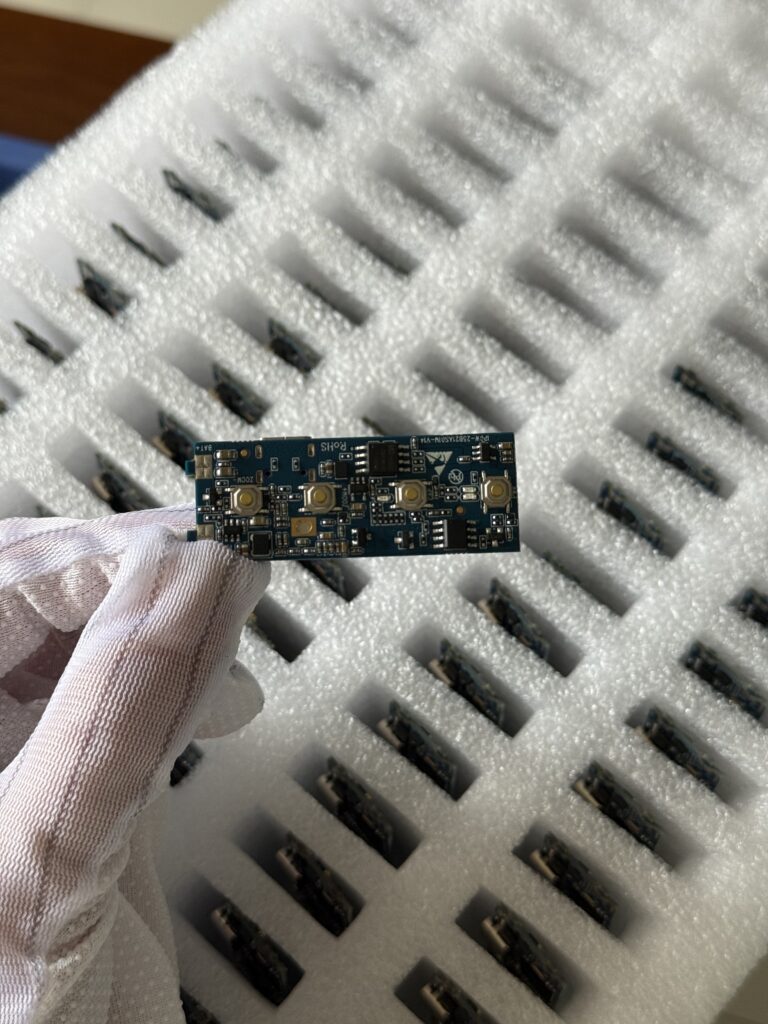
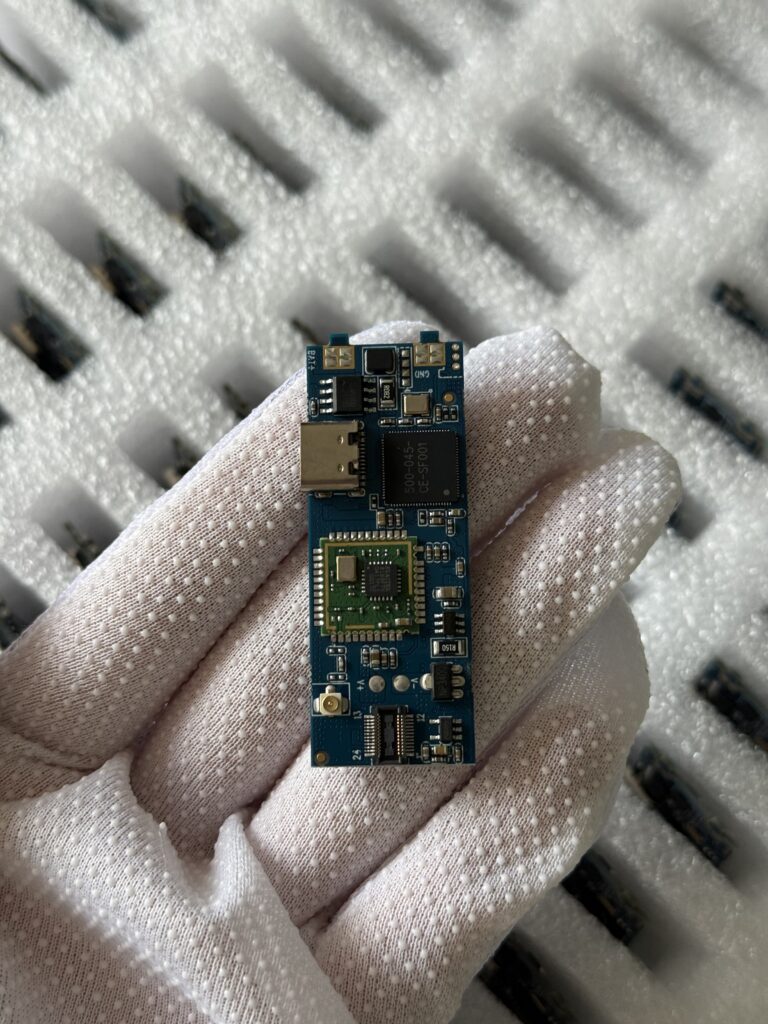
The camera needs to provide useful images. The wireless connection needs to communicate with the mobile device. The battery needs to provide practical operating time. The enclosure needs to protect the internal components. The adjustable head needs to provide useful positioning while remaining mechanically reliable. These requirements cannot be solved independently. The product needs to work as a system.
Hardware and Software Have to Work Together
One of the most important differences between traditional manufactured products and connected consumer electronics is the relationship between hardware and software. A physical product can be beautifully engineered and still provide a poor user experience if the software does not work properly.
SnapFlash® therefore required more than hardware development.
Panasia’s portfolio states that its role included software development alongside product design, engineering, sourcing, manufacturing and quality assurance. The result is a connected workflow in which the user can see the camera feed on a smartphone or tablet, capture images and record video.
The official SnapFlash® product site describes live viewing, photo and video capture, wireless connectivity and control through the companion app. That integration is important because the software is not an optional addition to the product. It is part of the product experience.
When developing connected consumer electronics, the hardware and software need to be considered together from the beginning.
Designing for Real-World Use
A product can work perfectly in a controlled demonstration and still fail to meet the demands of its intended environment. SnapFlash® was designed around practical inspection scenarios.
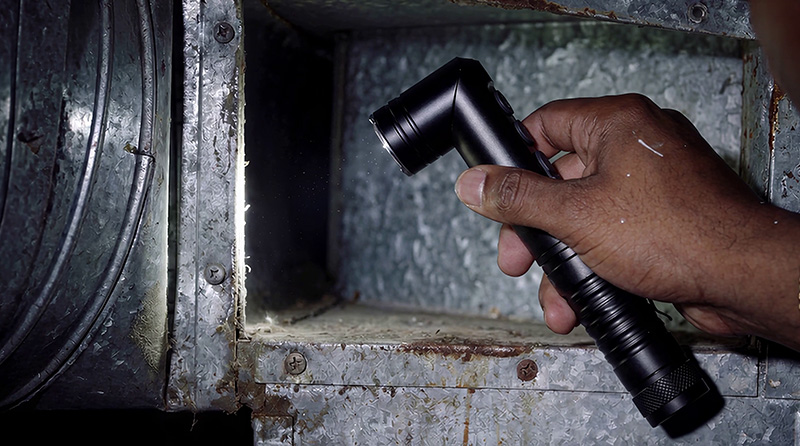
A mechanic may need to illuminate an engine compartment. An electrician may need to inspect a difficult-to-reach area. A plumber may need to see behind or underneath an installation. An HVAC technician may need to inspect a confined part of a system. These situations have something in common.
The user needs to see clearly while keeping their hands available for the work.
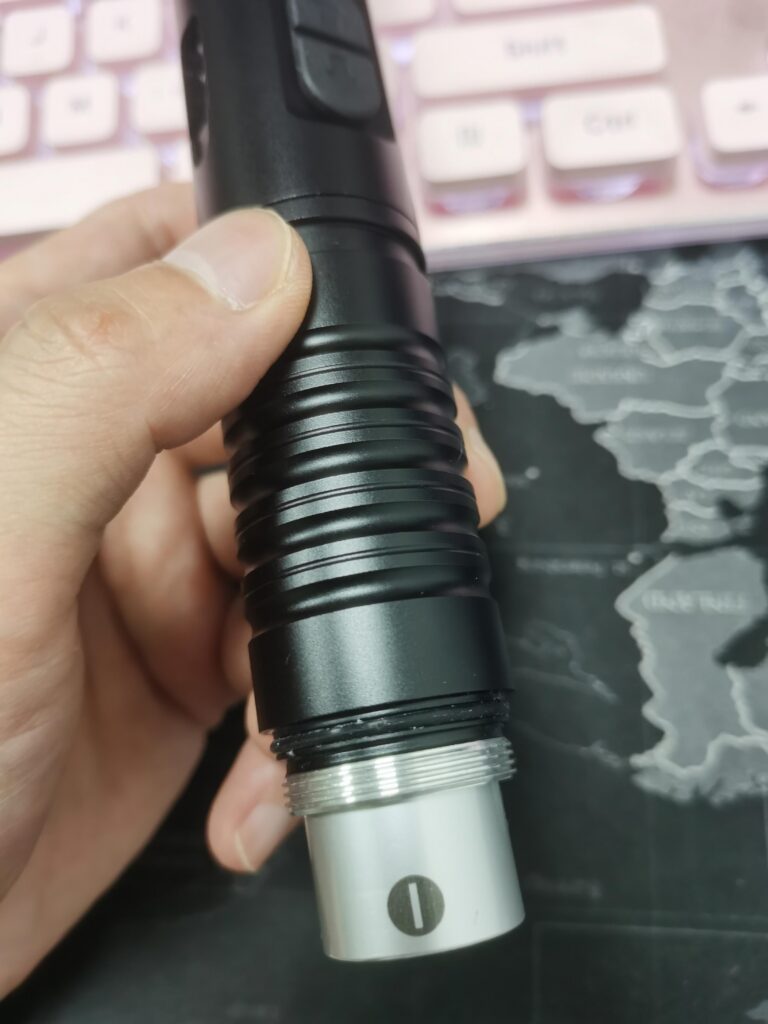
SnapFlash® addresses this through several elements of its physical design. Its head can be adjusted, while the magnetic base allows the device to be attached to suitable metal surfaces for hands-free use. The product is also IP67-rated for dust and water resistance.
Those features demonstrate an important product-development principle. The best features are not necessarily the ones that sound most impressive in a specification sheet. They are the ones that solve real problems for the people who will actually use the product.
Prototyping: Where Ideas Meet Reality
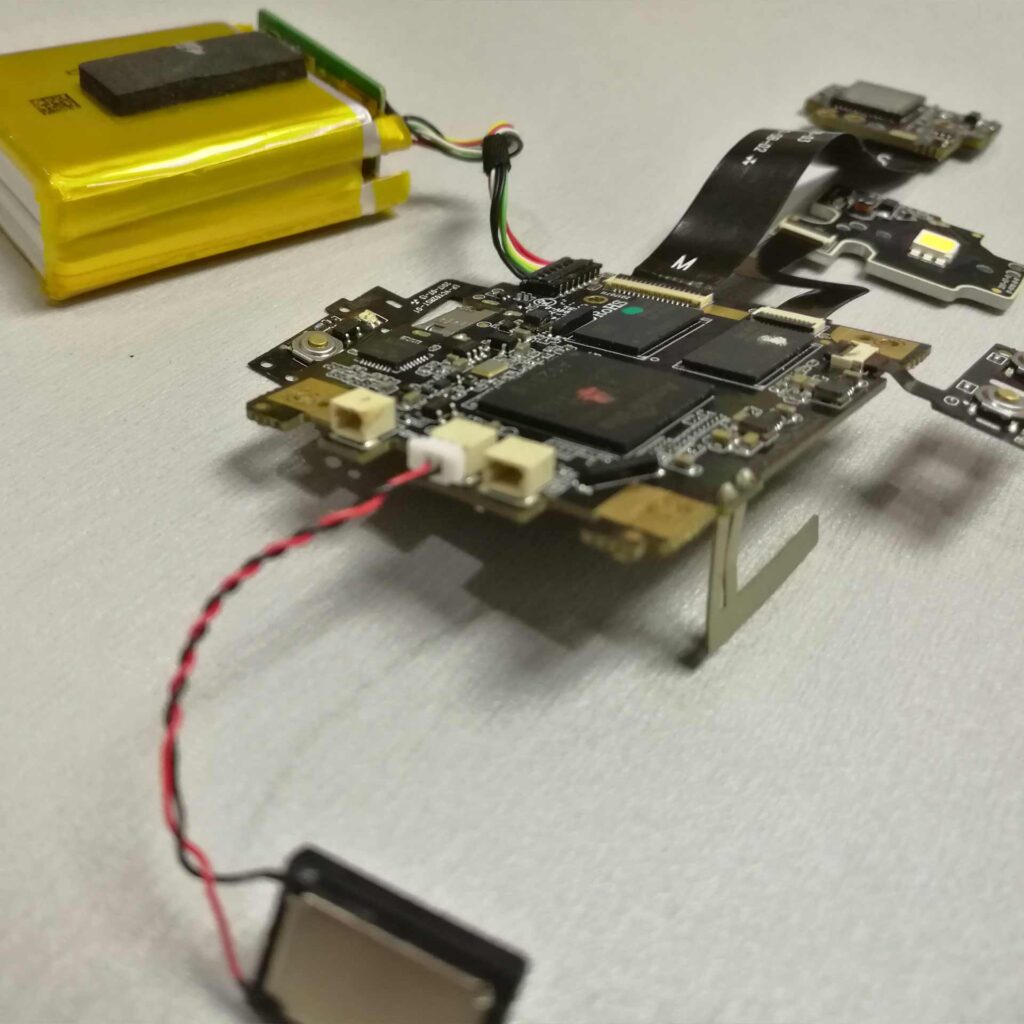
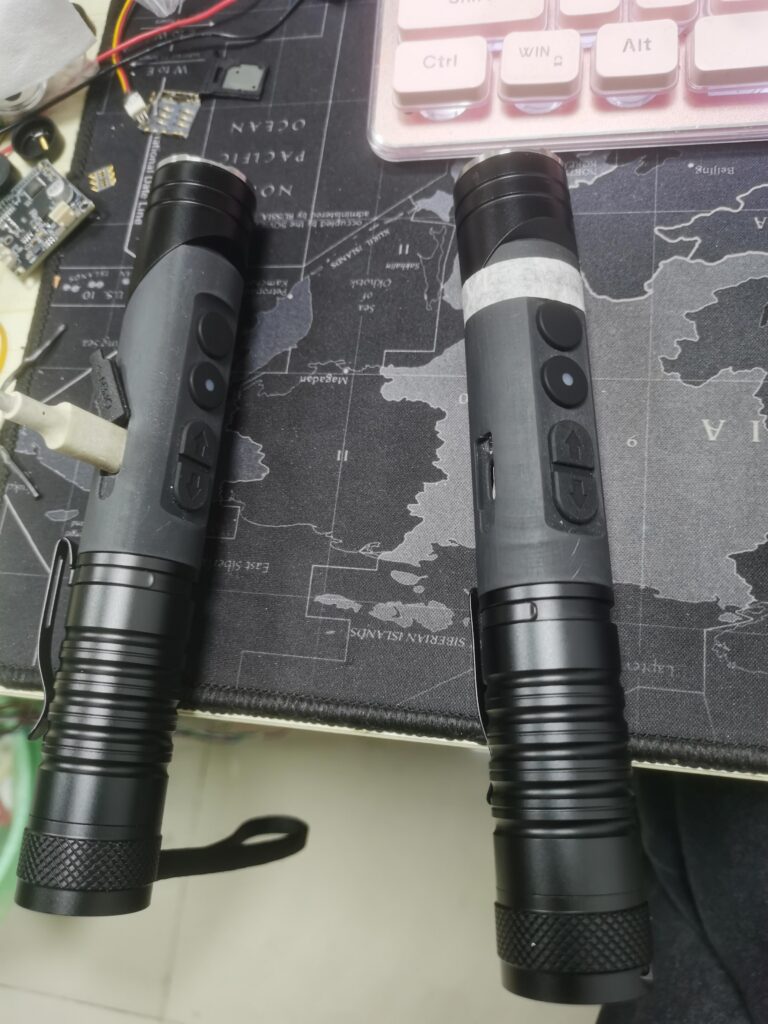
Prototyping is one of the most important stages in consumer electronics product development because it exposes the difference between an idea and a working product.
- A digital design can look correct.
- A physical prototype can reveal something that the drawings did not.
- Perhaps a component is difficult to access. Perhaps the device is uncomfortable to hold. Perhaps the camera angle is not useful. Perhaps the enclosure needs to be redesigned to accommodate internal components.
Prototypes create an opportunity to discover these issues before full-scale production.
Panasia describes its broader manufacturing process as covering product design, engineering, prototyping, testing, validation and verification before moving into mass production.
- That progression matters.
- The objective is not to rush from concept to factory.
- It is to progressively reduce uncertainty until the product is ready to be manufactured consistently.
Testing and Certification Are Part of Product Development
A product that contains electronics, wireless communication and a rechargeable battery needs to be developed with testing and compliance in mind. Testing is not simply something that happens once the product is finished. It should inform the development process.
Panasia identifies testing and certification as critical parts of its product design and manufacturing process, noting that appropriate testing can help reduce problems during full-scale production and in the field.
For SnapFlash®, the development process included validation of features and operating requirements before the product moved into commercial production.
The Kickstarter campaign itself presented SnapFlash® as a production-ready product rather than a concept that still needed to be engineered. Panasia’s campaign material described the product as developed through concept, engineering, prototyping, testing, certification and production.
That distinction is particularly important in crowdfunding. Backers are not simply buying an idea. They are placing trust in the team responsible for turning that idea into a physical product.
From Prototype to Mass Production
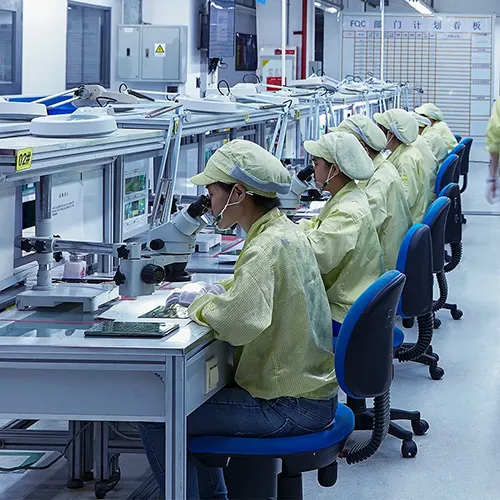
One of the biggest transitions in any product-development project occurs when a working prototype needs to become a repeatable manufactured product. Producing one device is fundamentally different from producing a large number of identical devices.
The manufacturing process needs to account for:
- Component availability
- Production tolerances
- Assembly processes
- Quality control
- Testing procedures
- Manufacturing efficiency
- Production capacity
- Packaging
- Supply-chain management
The product also needs to remain consistent. The hundredth unit should not be fundamentally different from the first production-approved unit. This is where a manufacturing partner with experience across the full product-development cycle can provide significant value.
Panasia says its manufacturing services support the transition from prototypes to full-scale mass production, with production ranging from hundreds to hundreds of thousands of units.
For SnapFlash®, that transition was particularly important because the product was moving from development into a public commercial launch.
The Manufacturing Challenge Behind a Connected Product
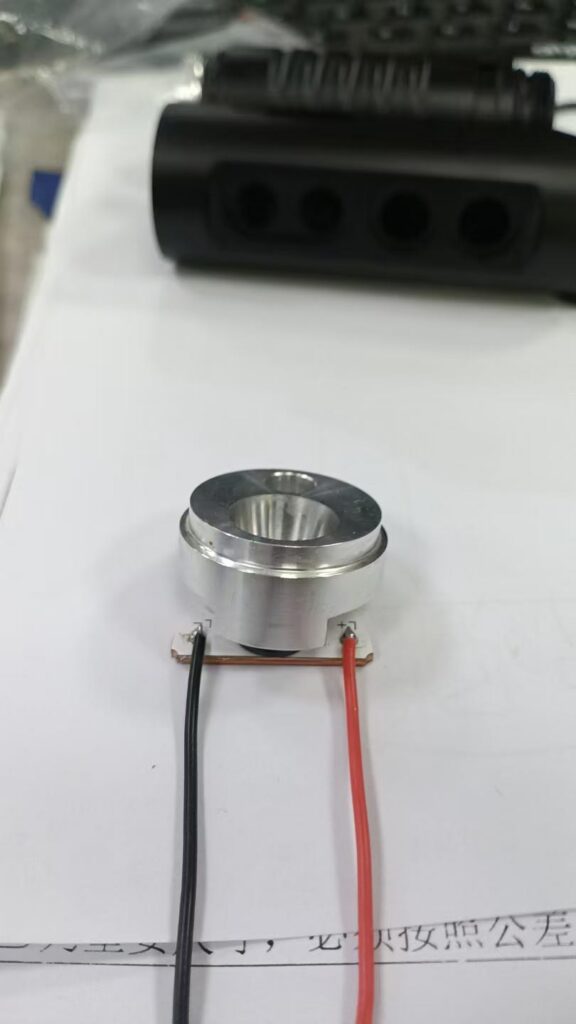
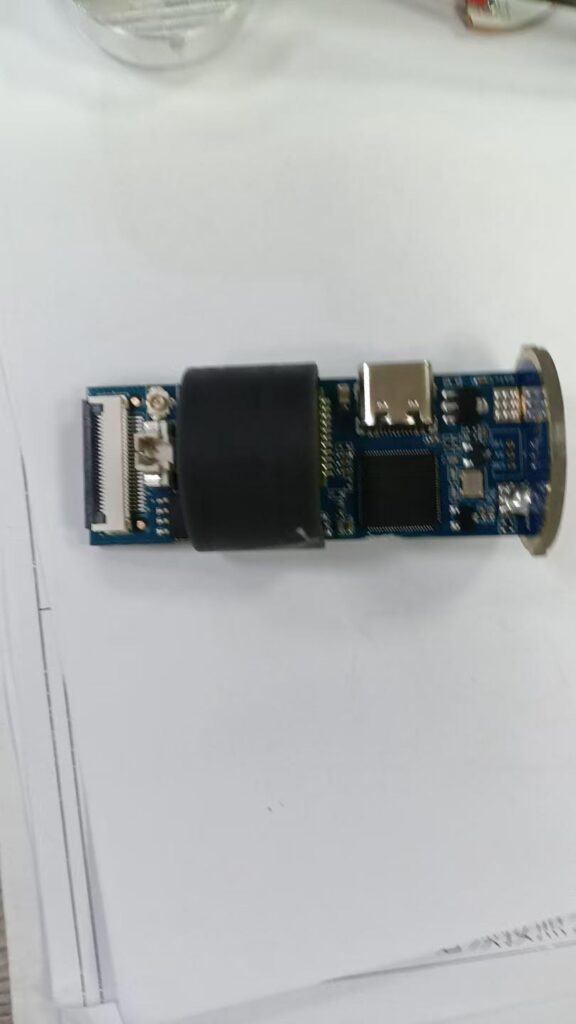
SnapFlash® may look like a compact handheld device, but the manufacturing process behind it involves multiple interconnected systems.
- There is the physical enclosure.
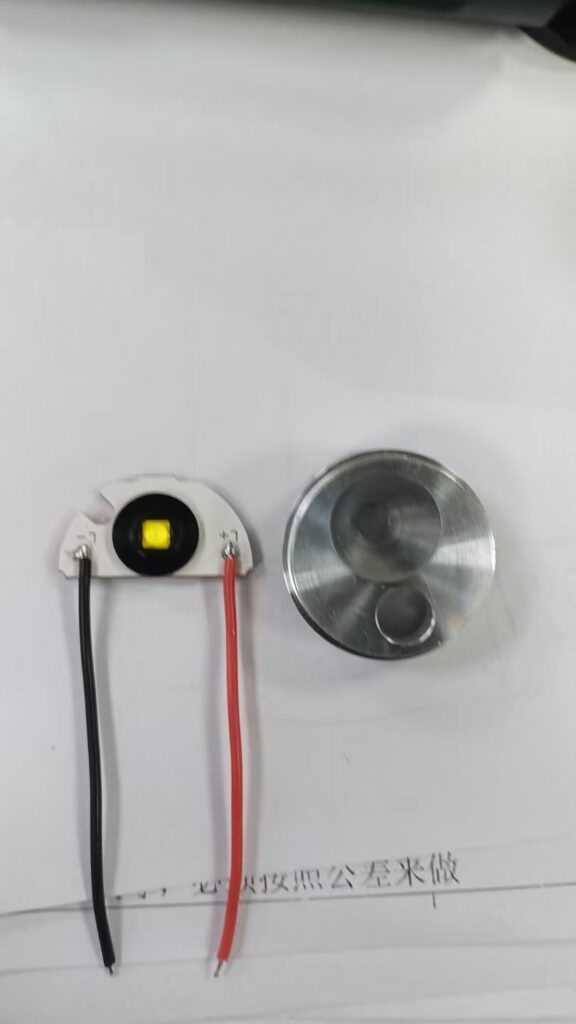
- There are electronic components.
- There is the camera.
- There is the lighting system.
- There is the rechargeable battery.
- There is wireless connectivity.
- There is the adjustable mechanical assembly.
- There is the mobile application.
All of those components need to come together in a product that is reliable, repeatable and ready for customers. This is one of the reasons consumer electronics manufacturing requires more than access to a production line.
A manufacturing partner needs to understand how the different parts of the product interact.
- If one component changes, it can potentially affect another.
- If a supplier changes a component, engineering may need to review the impact.
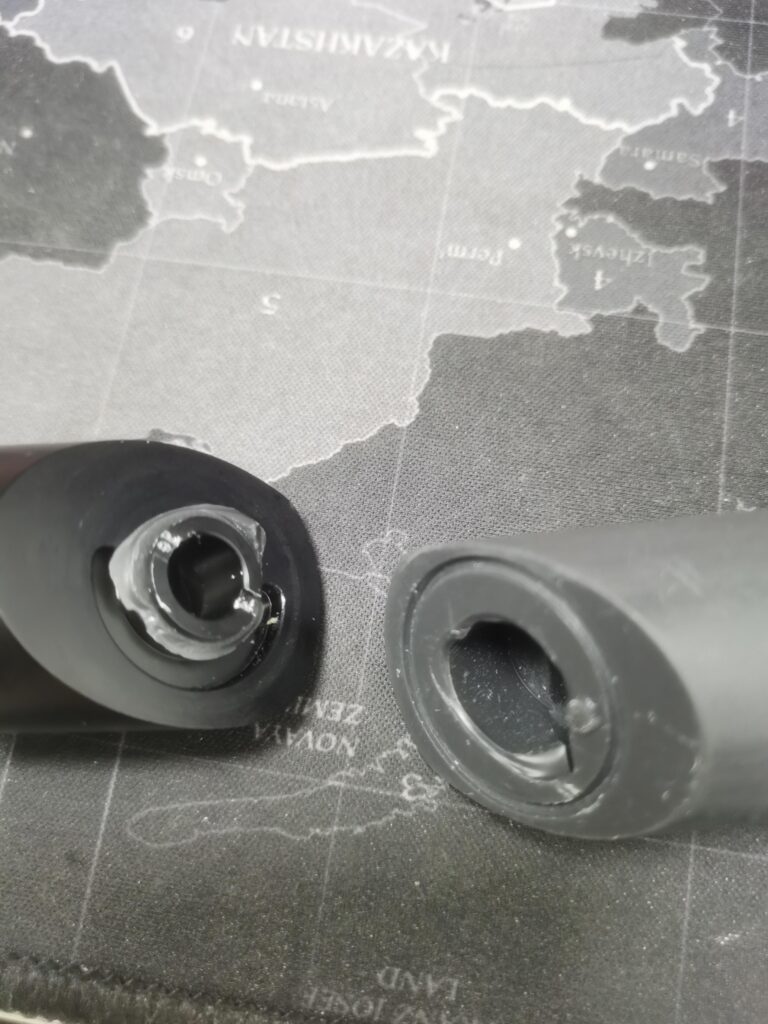
- If production identifies an assembly issue, the design may need to be reconsidered.
- End-to-end involvement can make these feedback loops much easier to manage.
Quality Assurance Does Not Stop at the Factory
Quality assurance is particularly important when a product is being introduced to a new market. The first customers establish an important perception of the product and the brand behind it. A device that works reliably can create confidence. A product that arrives damaged, fails to connect or does not perform as expected can quickly undermine that confidence.
For that reason, quality needs to be considered throughout the product lifecycle.
Panasia’s stated process includes quality assurance as part of its end-to-end product-development and manufacturing service. Its broader manufacturing model also includes testing, validation and verification before full-scale production. For SnapFlash®, this meant approaching the product as something that needed to work reliably in the real world, rather than simply something that needed to look good in a launch campaign.
That difference matters.
Packaging and Logistics Complete the Product
There is another stage of product development that is easy to overlook. Getting the product manufactured is not the same as getting it into a customer’s hands. The finished product needs suitable packaging. Components and accessories need to be organised. The package needs to protect the product during transportation.
Then the finished units need to move through the supply chain.
Panasia’s SnapFlash® portfolio entry specifically includes packaging and logistics among the responsibilities it handled for the project. This is another example of why end-to-end manufacturing can be valuable.
When design, engineering, sourcing, manufacturing, quality assurance and logistics are managed as connected parts of the same project, there are fewer points where responsibility can become fragmented. The goal is not simply to manufacture a product.
It is to deliver the finished product.
Taking SnapFlash® to Market
After the development and manufacturing work came another important test. Would customers actually want it? For SnapFlash®, Kickstarter provided a direct way to put the product in front of potential customers and measure their response.
The campaign ran from May 27 to June 26, 2026. It finished with 348 backers and $49,669 pledged against a $10,000 funding goal. That represents approximately 497% of the original funding target. The result provides a useful form of market validation.
It does not prove that every potential customer needs an inspection tool. It does, however, demonstrate that a significant group of early adopters was willing to put money behind the product. For Panasia, that makes the SnapFlash® project particularly interesting.
The company was not simply manufacturing a product for an established consumer electronics brand.
It was taking responsibility for developing a product that could be introduced to the market under its own brand and then testing that proposition directly with customers.
Why the Kickstarter Result Matters
- Crowdfunding is sometimes treated as a marketing exercise.
- In reality, a successful campaign can provide a much more useful form of information.
- It can demonstrate whether people understand the proposition.
- It can reveal which features attract attention.
- It can create a community of early adopters.
- Most importantly, it can provide evidence that people are willing to financially support the product.
SnapFlash®’s campaign exceeded its $10,000 goal by a substantial margin. The final $49,669 raised from 348 backers provides a concrete result that can be measured against the original objective. For a product-development and manufacturing company, that creates an interesting end point to the development story.
The journey began with a product concept.
It moved through design, engineering, software, prototyping, testing and manufacturing. It then reached the market. And customers responded.
Why End-to-End Consumer Electronics Manufacturing Matters
The SnapFlash® project illustrates why end-to-end support can be particularly valuable in consumer electronics. A company developing a connected product could potentially work with separate suppliers for:
- Industrial design
- Mechanical engineering
- Electronics
- Software
- Prototyping
- Certification
- Component sourcing
- Manufacturing
- Quality assurance
- Packaging
- Logistics
There may be good reasons to structure a project that way. However, every additional handoff introduces another communication point. An end-to-end manufacturing partner can potentially bring those disciplines together under a single project structure.
Panasia’s manufacturing model is built around that approach. The company describes its services as spanning the entire journey from concept to final production, with particular expertise in consumer electronics and global product development.
SnapFlash® is a practical example of that model.
Panasia did not simply manufacture a finished design supplied by another company. Its portfolio states that the team led the entire product-development process, including product design, engineering, software development, sourcing, manufacturing, quality assurance, packaging and logistics.
That distinction is important. It means the manufacturing partner is involved in the product itself, not simply the factory stage.

From Product Development to Product Ownership
There is another interesting aspect of SnapFlash®. Panasia did not simply develop the product on behalf of a third-party brand. It brought the product to market under the SnapFlash® name. That creates a different set of responsibilities.
The product needs to represent the company’s own standards.
The customer experience matters directly to the company behind the product. The website, application, support process, manufacturing, fulfilment and ongoing product development all become part of the same brand experience. The current SnapFlash® site identifies the product as being in production, with first shipments targeted for late September 2026.
That means the Kickstarter campaign was not the end of the project. It was a significant milestone in the transition from product development into ongoing commercial operation.
What Businesses Can Learn From the SnapFlash® Success Story
For businesses considering their own consumer electronics product, the SnapFlash® journey offers a useful framework.
- Start With the Problem: The strongest products usually begin with a clearly defined customer problem. SnapFlash® was developed around the practical problem of seeing and documenting difficult-to-reach areas.
- Build the Whole System: A connected product needs more than good hardware. The physical product, electronics, software, connectivity and user experience all need to work together.
- Validate Before Scaling: Prototypes, testing and validation help identify problems before they become production-scale problems.
- Choose Manufacturing Expertise That Matches the Product: A connected consumer electronics product requires different expertise from a simple mechanical product. The manufacturing partner needs to understand electronics, software integration, testing and supply-chain requirements.
- Think Beyond the Factory: Packaging, fulfilment and customer support all become important once the product reaches the market. The manufacturing process should therefore be considered as part of the wider commercial journey.
Looking for an End-to-End Product Development Partner?
Developing a consumer electronics product can be a complex undertaking.
The initial concept is only the beginning. Businesses also need to consider design, engineering, prototyping, software, testing, certification, sourcing, manufacturing, quality assurance, packaging and logistics.
Panasia Solutions provides end-to-end product development and manufacturing support, helping businesses move from concept through production and into the market. Its SnapFlash® project demonstrates how those capabilities can work together within a single product-development journey.
If you have a consumer electronics idea, an existing product that needs a more capable manufacturing partner, or a project that needs to move from prototype into mass production, contact our expert team to discuss your requirements.
The next successful product may start with nothing more than an idea.
The right development and manufacturing partner can help turn that idea into something real.