AR VR manufacturing presents a complex mix of technical, operational, and economic hurdles that manufacturers must overcome to scale production of headsets, smart glasses, and immersive devices. Key challenges include precision optics fabrication, display miniaturization with high yields, power and thermal management in compact form factors, sensor integration, supply chain vulnerabilities for specialized components, and balancing cost with quality at volume. Despite these obstacles, the market is exploding – driven by enterprise adoption in manufacturing, training, and logistics – creating huge demand for reliable partners who can deliver end-to-end solutions.
Panasia Solutions stands ready to help. With over 25 years of experience in high-tech consumer electronics and wearables manufacturing, we turn these AR VR manufacturing challenges into scalable, high-quality production realities through expert design-for-manufacturability (DFM), advanced prototyping, and global supply chain optimization from our Shenzhen headquarters.
The Rapid Growth of the AR/VR Market
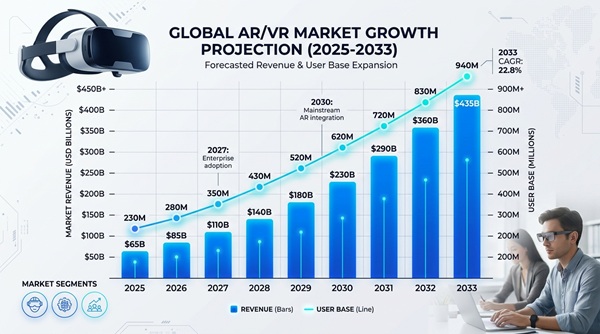
The AR/VR sector is surging, making robust AR VR manufacturing capabilities essential for meeting demand. The global augmented reality market reached USD 120.21 billion in 2025 and is projected to hit USD 169.97 billion in 2026, expanding at a 29.7% CAGR through 2033, with hardware (including head-mounted displays and smart glasses) claiming over 59% share thanks to industrial applications in training, assembly, and remote assistance, according to a recent Grand View Research report.
Combined XR (AR + VR + MR) markets reflect similar momentum, valued at USD 20.43 billion in 2025 and forecasted to grow to USD 26.9 billion in 2026 at a 31.67% CAGR to 2031. Hardware continues to dominate (56%+ share), with smart glasses projected for the fastest growth as lighter, more wearable designs gain traction in enterprise settings, per Mordor Intelligence analysis.
XR shipments grew 44.4% year-over-year in 2025, fuelled by smart glasses and mixed-reality devices, though VR headset volumes faced temporary dips from supply chain hiccups. These trends underscore why AR VR manufacturing expertise is no longer optional – it’s the bottleneck (and opportunity) separating prototypes from mass-market success, as reported by IDC.
Major Challenges in AR VR Manufacturing
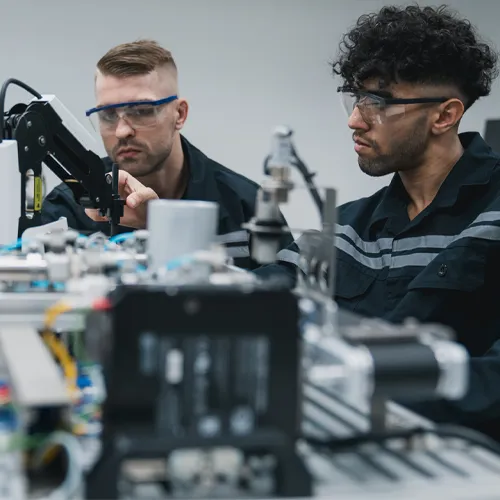
AR VR manufacturing demands sub-millimetre precision across optics, electronics, and mechanical assemblies while hitting aggressive cost, weight, and performance targets. Here are the primary pain points.
Overcoming Optical Waveguide and Display Fabrication Hurdles
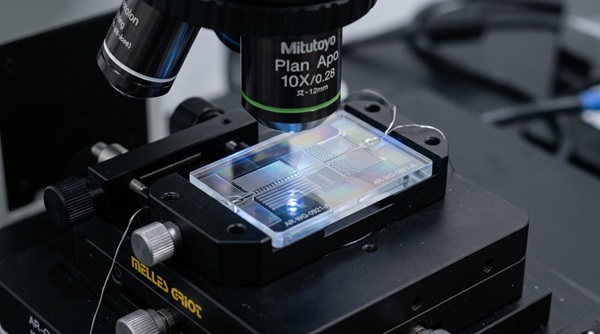
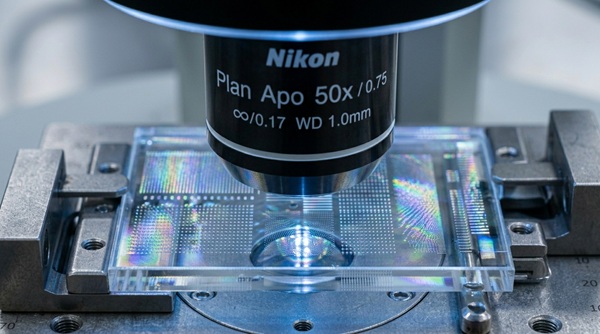
Optics represent the biggest technical barrier in AR VR manufacturing. Waveguides (for see-through AR glasses) and pancake lenses (for compact VR headsets) require nano-level surface accuracy, uniform coatings, and zero defects to avoid ghosting, rainbow artifacts, or reduced field-of-view. Manufacturing challenges include warpage in thin polymer substrates, stress-induced birefringence during film lamination on curved surfaces, and low yields from complex diffractive or holographic elements.
Display technologies add further complexity. Micro-OLEDs demand >3,000 PPI on silicon backplanes with intricate pixel circuits, while emerging microLEDs face efficiency drops at small pixel sizes, mass-transfer issues, and colour uniformity problems. Pancake optics efficiency often sits below 10%, forcing ultra-high brightness (and shortened component lifetimes) to deliver acceptable eye-level luminance. These processes involve precision lithography, thin-film deposition, and molding techniques that scale poorly without massive capital investment, as highlighted in SPIE technical discussions on AR optics challenges.
Mastering Miniaturization and Component Integration
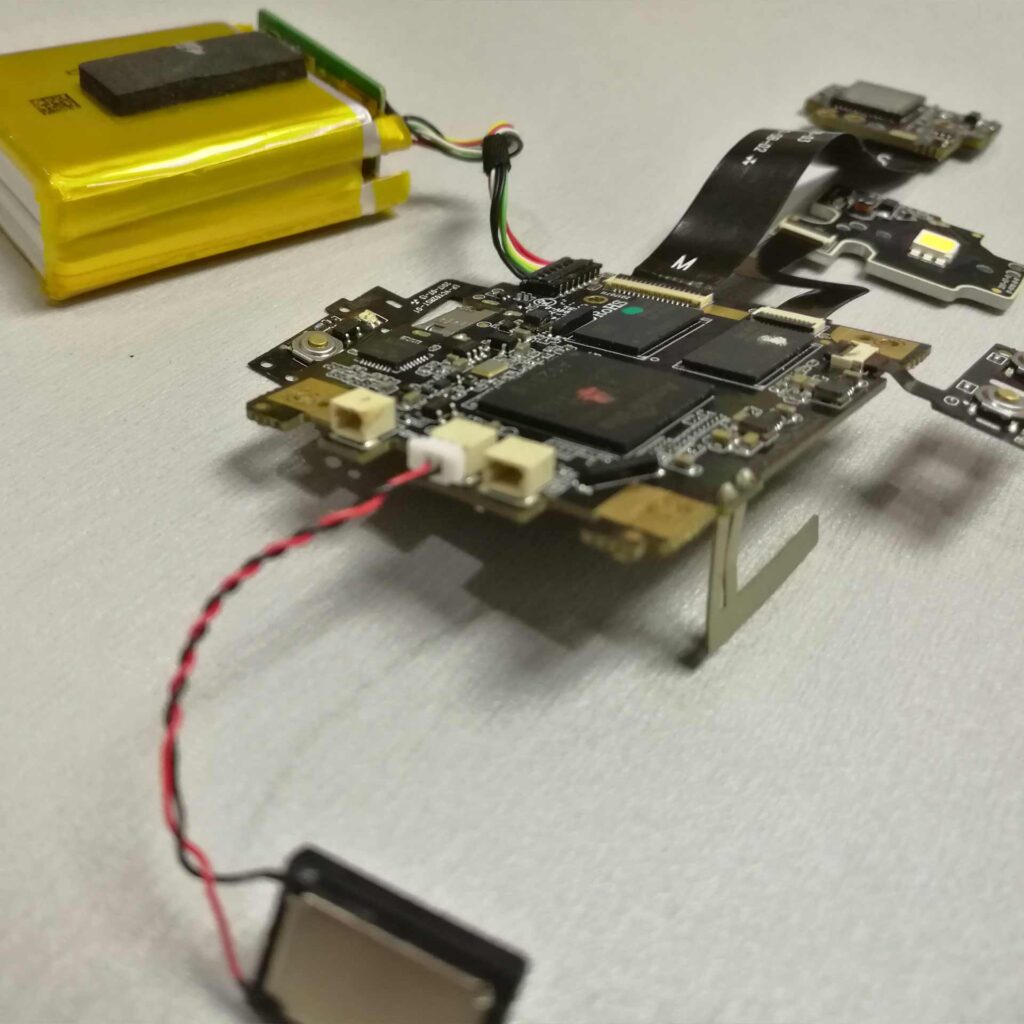
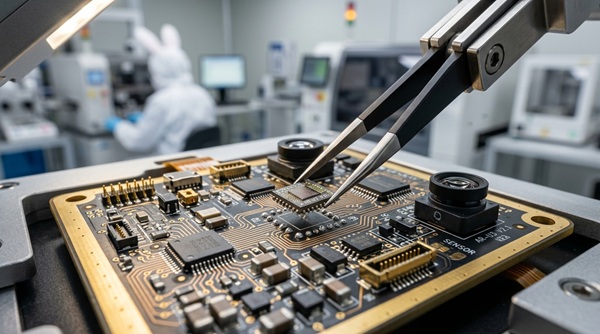
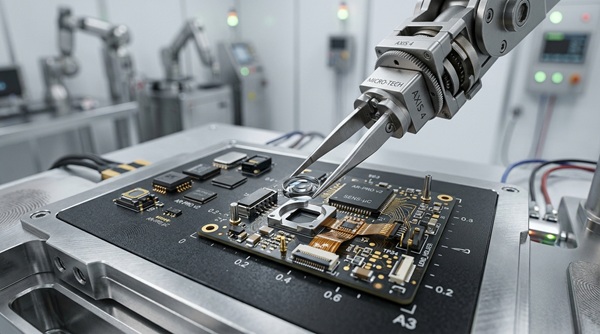
AR/VR devices must be lightweight (ideally under 300-400g for all-day wear) yet packed with processors, multiple cameras/sensors, batteries, and optics. Miniaturization in AR VR manufacturing triggers yield crashes below 15mm component sizes, alignment tolerances measured in microns, and thermal hotspots in tight enclosures. Sensor fusion (eye-tracking, hand-tracking, depth cameras) requires flawless integration without crosstalk or calibration drift – challenges amplified by the need for six-degrees-of-freedom tracking in untethered designs.
Addressing Power Efficiency and Thermal Management
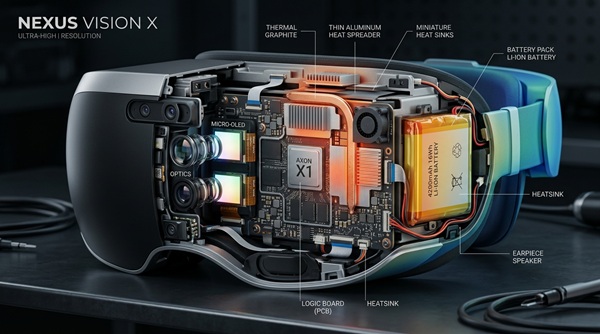
Battery life and heat remain critical bottlenecks. Standalone headsets must deliver hours of use without tethering, but high-resolution displays, AI processing, and always-on sensors drain power rapidly. Thermal management is equally tough: compact form factors leave little room for heat sinks or fans, risking discomfort or throttling. AR VR manufacturing must optimize every watt through efficient chipsets, advanced battery chemistries (solid-state thin films), and smart power distribution – while maintaining FDA/MDR-level reliability for wearable compliance.
Ensuring High-Yield Assembly and Quality Control
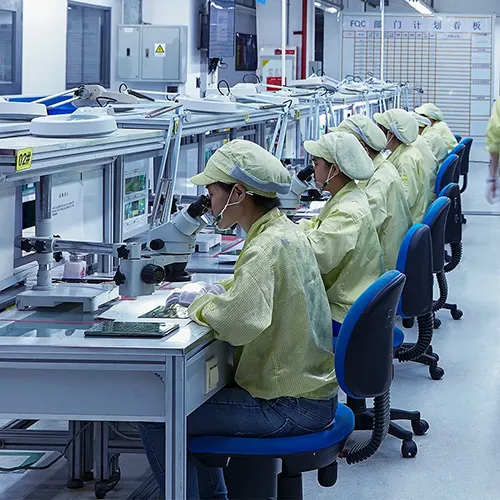
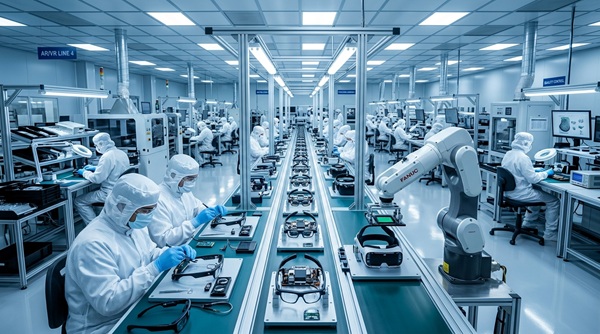
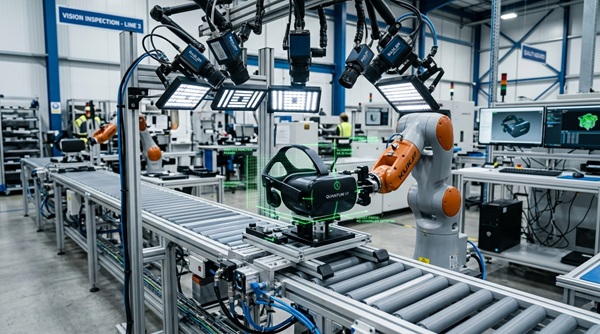
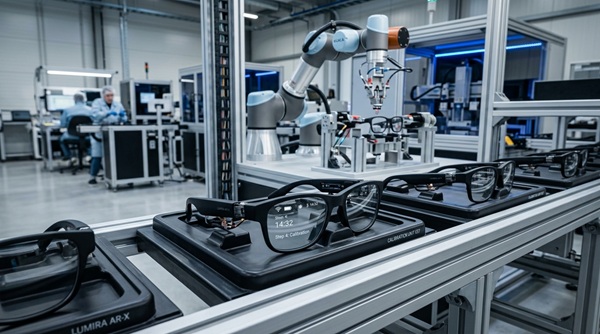
Even with perfect components, final assembly in AR VR manufacturing is notoriously difficult. Cleanroom precision is mandatory for optical alignment, yet traditional injection molding of thin lenses risks shrinkage and residual stress. Automated inspection (AI vision + plasma cleaning) is essential to catch micro-defects, but scaling these systems across high-volume lines demands sophisticated process controls. Yield rates directly impact cost-per-unit, and any inconsistency in waveguide performance or display uniformity can scrap entire batches.
Navigating Supply Chain Complexities
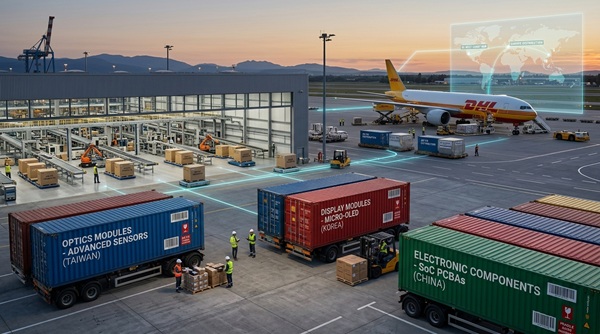
Specialized materials – high-index glass/polymers for waveguides, rare-earth elements for microLEDs, and custom silicon backplanes – create concentrated supply risks. Geopolitical tensions, tariffs on electronics components, and limited suppliers for precision optics exacerbate lead times and costs in AR VR manufacturing. Globalized sourcing (lenses from Taiwan, chips from South Korea, assembly in Asia) adds layers of logistics and IP protection challenges.
How Panasia Solutions Is Leading in AR VR Manufacturing Solutions
Panasia Solutions brings over 25 years of proven expertise in design, engineering, OEM/ODM black-box manufacturing, and global logistics for high-tech consumer electronics and wearables – directly addressing the above AR VR manufacturing challenges. Headquartered in Shenzhen with end-to-end capabilities, we handle everything from initial concept and DFM through prototyping, PCBA, CNC/metal stamping, molds and tooling, plastics/silicone, rigorous testing/certification (ISO compliant), and mass production.
Our wearable technology focus includes XR component integration in smart glasses and headsets. We mitigate yield issues in sub-15mm devices via plasma cleaning combined with AI vision systems, optimize battery life versus size with integrated thermoelectric films and solid-state thin batteries, and ensure skin-safe, durable adhesion for hybrid wearables. Supply chain management and IP protection are core strengths, allowing us to navigate component shortages and scale production reliably for global markets.
Clients benefit from our streamlined Panasia Process: rapid prototyping, iterative DFM feedback to slash costs and improve manufacturability, and full lifecycle support including certification and post-production improvements. Whether you’re developing next-gen AR glasses or enterprise VR training hardware, Panasia Solutions delivers the precision, scalability, and quality that turns manufacturing challenges into competitive advantages.
The Future of AR/VR Hardware Production
Looking ahead, innovations like spatial ALD for faster waveguide coatings, curved cemented pancake optics for better contrast, and modular architectures will ease some AR VR manufacturing pressures. Cloud rendering, 5G/edge computing, and AI-driven design tools will further reduce onboard hardware demands. Yet success will hinge on manufacturers who combine deep technical know-how with agile supply chains.
Panasia Solutions is already investing in these capabilities – positioning our partners at the forefront of the XR revolution.
Ready to overcome AR VR manufacturing challenges and bring your immersive hardware to market? Browse our capabilities or contact our expert team for a free consultation. Let’s build the future together.