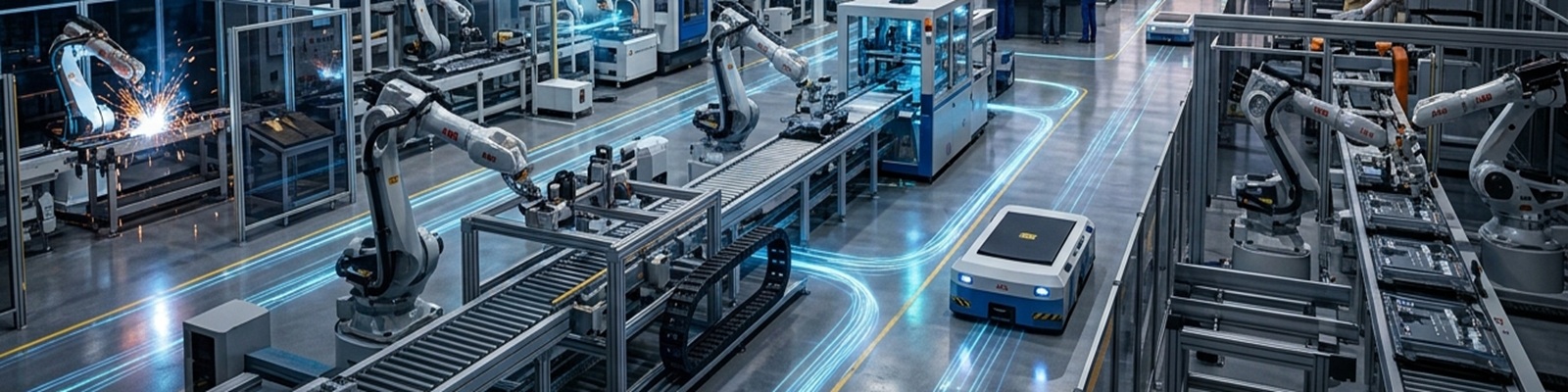
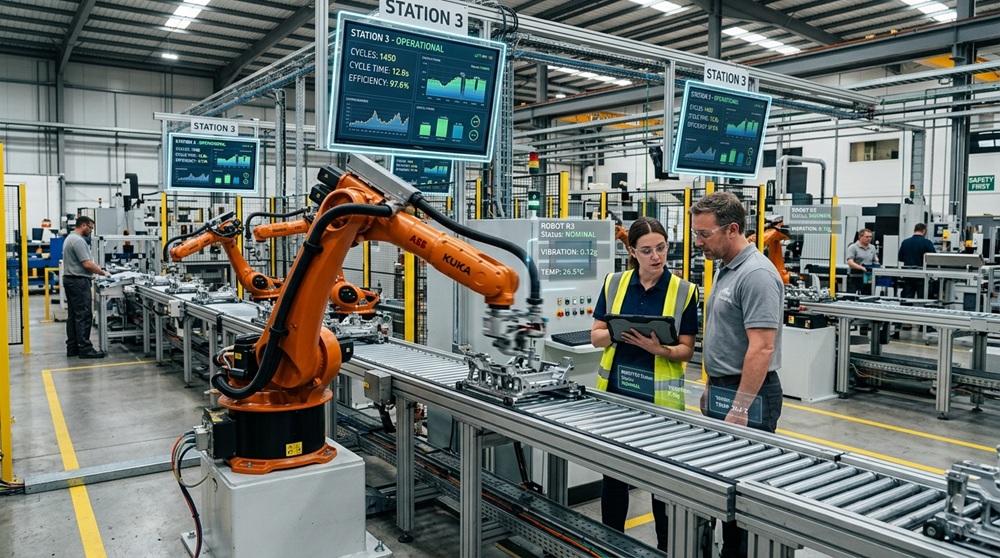
Imagine walking into a factory where machines don’t just follow instructions. Instead, they think, adapt, and act on their own to keep production humming without constant human oversight. That’s the reality of agentic AI systems in autonomous manufacturing. In fact, it is one of the hottest AI agents trends transforming the industry right now. These intelligent agents go beyond simple automation or generative AI chatbots. They perceive their environment, reason through complex decisions, and execute multi-step tasks independently to achieve specific goals like minimizing downtime or optimizing supply chains.
Early adopters are already seeing dramatic gains in efficiency. Moreover, companies like Panasia Solutions are positioning themselves at the forefront by integrating these capabilities into end-to-end electronics manufacturing processes. If you’re wondering how AI agents trends are reshaping autonomous manufacturing in 2025 and beyond, you’re in the right place – this post breaks it all down with real data, practical applications, and actionable insights.
What Are Agentic AI Systems?
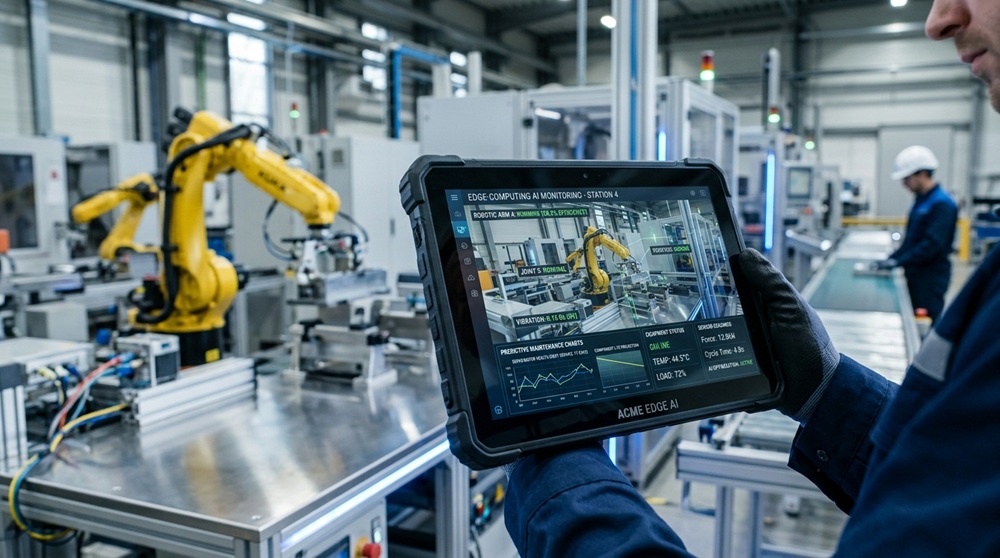
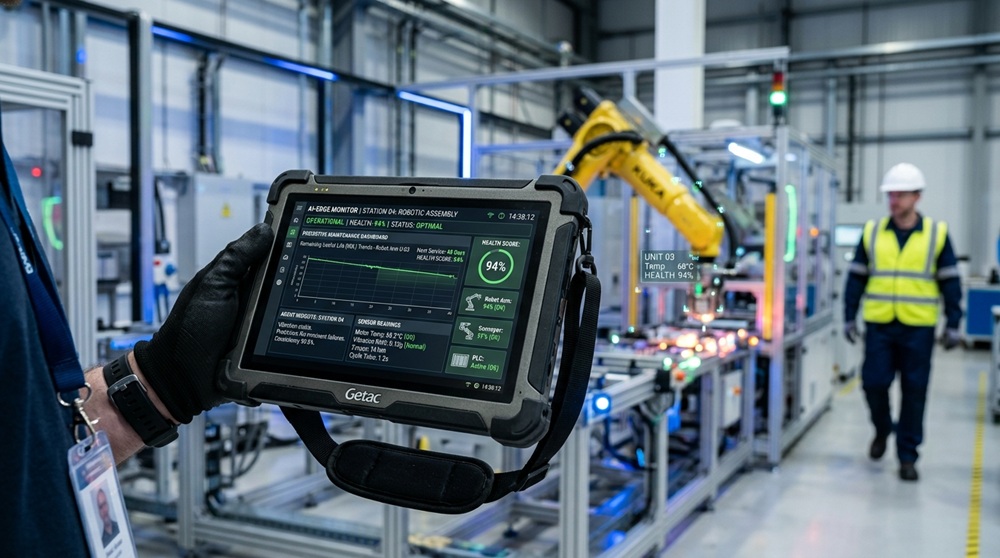
Agentic AI systems represent the next evolution of artificial intelligence. Unlike traditional AI that analyzes data or generates content on command, agentic AI features autonomous “agents.” These agents can plan, prioritize, collaborate with other agents or humans, and take action in dynamic environments. In manufacturing, this means an AI agent might detect a potential machine failure. As a result, it can query inventory systems, reroute production schedules, and notify maintenance teams – all without waiting for human approval.
The term “agentic” comes from the idea of agency. In simple terms, these systems have the autonomy to pursue objectives in uncertain conditions. Multi-agent systems take it further. For example, specialized agents work together like a digital team – one handling predictive maintenance, another optimizing quality control, and a third managing logistics. This shift is a core part of current AI agents trends. It moves us from reactive tools to proactive partners in autonomous manufacturing.
Latest AI Agents Trends Shaping Autonomous Manufacturing
AI agents trends in 2025 are all about autonomy, integration, and measurable ROI in manufacturing. According to a recent Deloitte Insights report, only 6% of manufacturers currently use agentic AI, but that number is expected to quadruple to 24% within two years as companies recognize its potential to break down data silos between IT and operational technology (OT) systems.
Broader market data backs this up. The autonomous AI agents market is projected to grow from approximately $8.7 billion in 2025 to $101.8 billion by 2035 at a compound annual growth rate of 31%, driven largely by industrial applications. Meanwhile, PwC’s AI Agent Survey reveals that 79% of companies are already adopting AI agents, with 66% reporting increased productivity, 57% seeing cost savings, and 88% planning to boost AI budgets in the next year due to these agentic capabilities.
Key AI agents trends include:
- Multi-agent collaboration: Teams of specialized agents handling everything from demand forecasting to real-time production reconfiguration.
- Edge computing integration: Agents operating directly on factory floor devices for faster, low-latency decisions without cloud dependency.
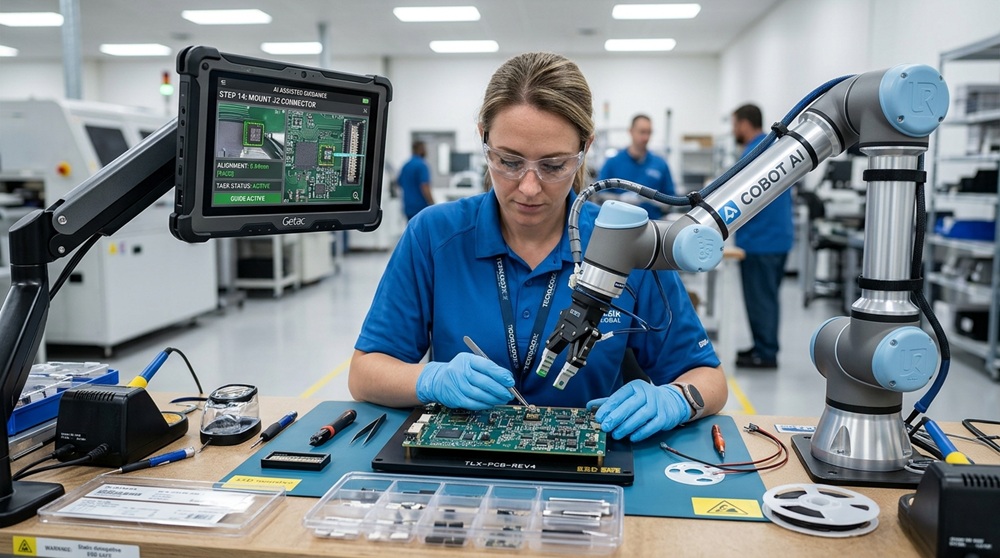
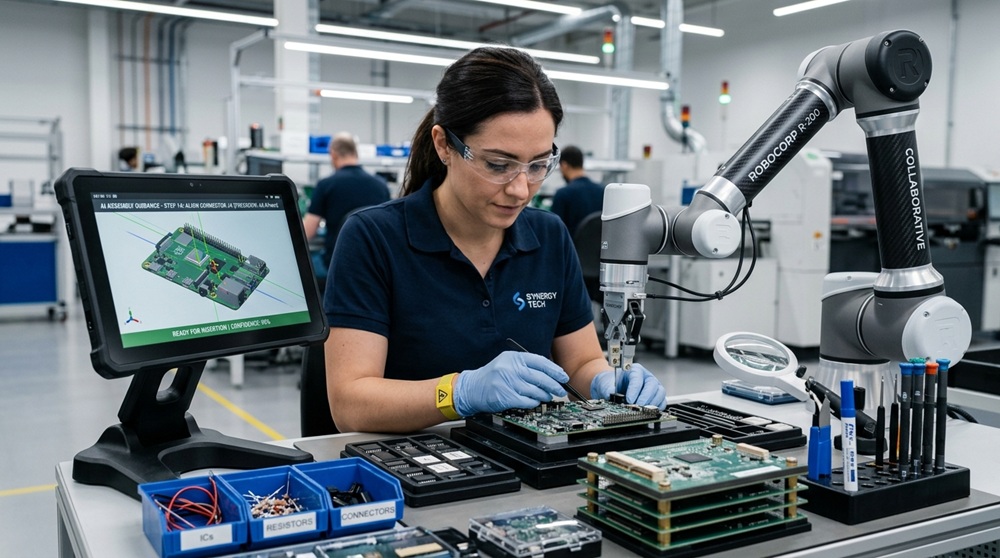
- Human-AI symbiosis: Agents that augment workers rather than replace them, providing real-time insights via augmented reality interfaces.
- Sustainability focus: Autonomous systems optimizing energy use and reducing waste in line with global ESG goals.
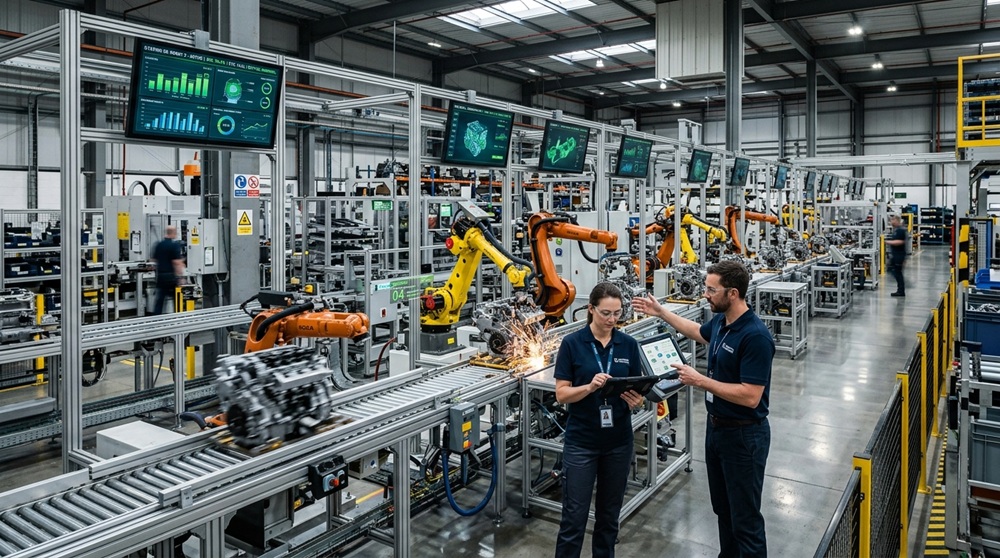
These trends are particularly powerful in autonomous manufacturing, where factories run with minimal human intervention 24/7.
Key Applications and Benefits in Autonomous Manufacturing
Agentic AI delivers tangible wins across the production floor. Here are some of the most impactful applications:
- Predictive Maintenance Agents: An agent monitors sensor data in real time, predicts failures, orders parts, and schedules repairs autonomously. Result? Up to 30-50% less unplanned downtime and 30-36% lower maintenance costs, according to industry benchmarks.
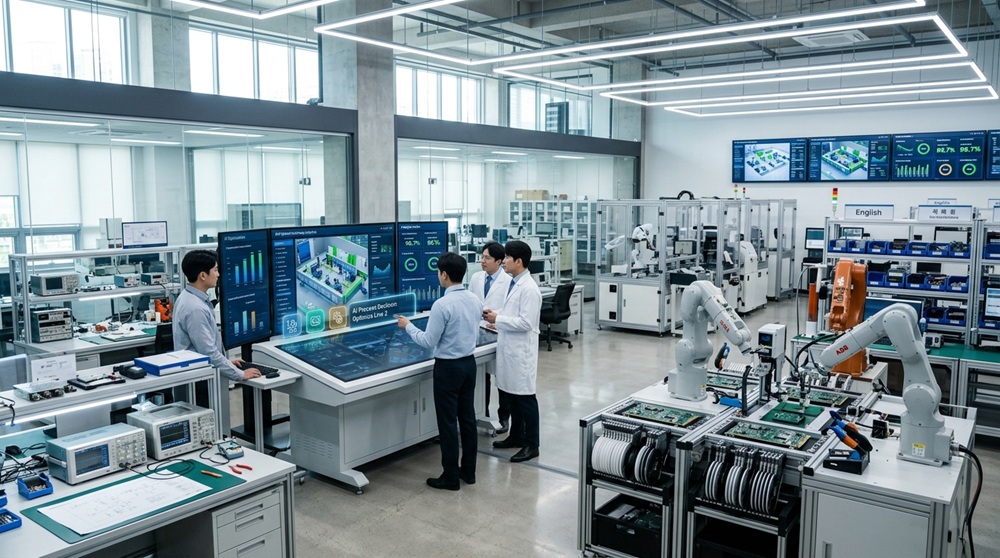
- Adaptive Production Scheduling: Agents continuously adjust line configurations based on demand fluctuations, material availability, or disruptions—reducing idle time and boosting overall equipment effectiveness (OEE).
- Quality Control Vision Agents: Using computer vision, these agents inspect products at high speeds, flag defects, and even trigger corrective actions like recalibrating machinery.
- Supply Chain Orchestration: Agents scan external data (weather, geopolitics, supplier updates) and autonomously reroute shipments or negotiate alternatives to prevent shortages.
- Aftermarket Service Agents: Post-sale, agents handle customer queries, diagnose issues remotely, and schedule field services—doubling margins compared to product sales alone.
The benefits extend beyond efficiency. Manufacturers report faster decision-making (55% of adopters per PwC), improved customer experience, and a competitive edge in volatile markets. In autonomous setups, these agents enable lights-out manufacturing, where entire shifts run with oversight from a small team of supervisors.
Industry Insights and Data Driving AI Agents Trends
The numbers tell a compelling story. Industrial AI overall reached $43.6 billion in 2024 and is on track for 23% CAGR through 2030. In manufacturing specifically, 77% of organizations now use AI (up from 70% the previous year), with 18-22% of large players deploying AI agents for operational tasks. McKinsey research highlights how agentic AI could unlock trillions in value across advanced industries, including 30-50% reductions in operational costs through smarter forecasting and execution.
Case studies from leaders like Siemens and Toyota demonstrate real results: autonomous agents have driven 50%+ productivity gains and significant energy reductions in smart factories. These insights underscore why AI agents trends are no longer optional – they’re essential for staying competitive in autonomous manufacturing.
How Panasia Solutions Is Leading with Agentic AI
At Panasia Solutions, we’ve been delivering end-to-end design, engineering, and manufacturing solutions for over 25 years, with deep expertise in consumer electronics and high-tech products. Our global facilities in Dongguan, China, combine state-of-the-art automation with AI-driven processes, making us uniquely positioned to help clients adopt agentic AI systems.
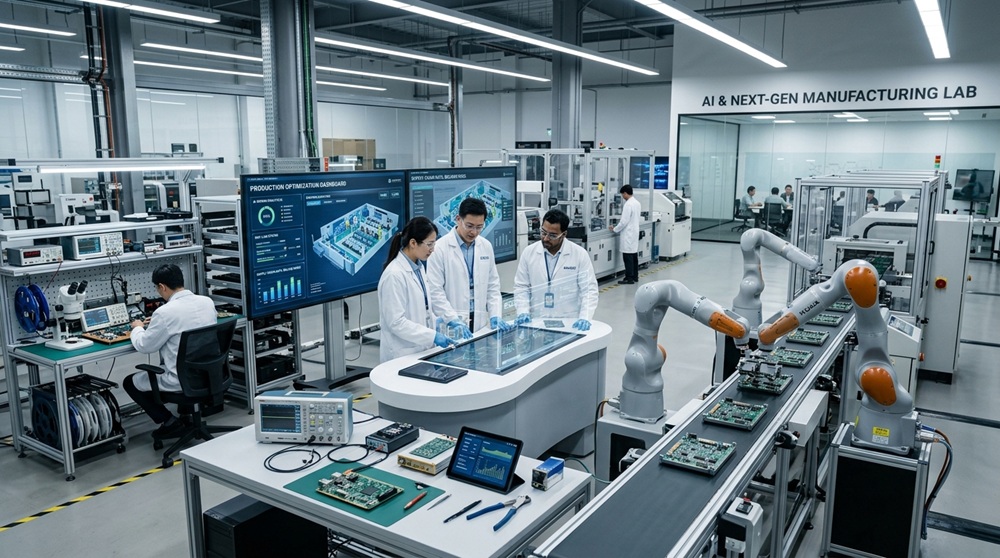
We’ve already harnessed AI for prototyping – using predictive simulations and PCB optimization to accelerate development cycles while ensuring sustainability. This foundation in AI hardware, thermal management, photonics, and smart factory IoT positions Panasia Solutions as a trusted partner for scaling agentic AI in autonomous manufacturing. Whether it’s integrating multi-agent systems for quality control or building resilient supply chains, our team turns cutting-edge AI agents trends into practical, production-ready solutions. Clients benefit from our ISO-compliant processes, IP protection, and black-box manufacturing expertise that keeps innovation secure and efficient.
Challenges of Implementing Agentic AI - and How to Overcome Them
No transformation is without hurdles. Data silos, legacy systems, and skills gaps remain top concerns. Governance is critical – only 11% of agentic AI projects reach full production today due to integration challenges. Cybersecurity, ethical decision-making, and change management also require attention.
The good news? A phased roadmap works best: start with high-data-quality use cases, pilot multi-agent systems, invest in reskilling, and prioritize hybrid architectures. Panasia Solutions supports clients through every step, from assessment to deployment, ensuring smooth integration into autonomous manufacturing environments.
The Future Outlook for Agentic AI in Manufacturing
Looking ahead, AI agents trends point to fully autonomous factories by 2030, with physical AI (agents controlling robots) becoming mainstream. Gartner forecasts that 33% of enterprise software will include agentic AI by 2028, enabling 15% of daily decisions to be made autonomously. For manufacturers, this means hyper-resilient operations, personalized production at scale, and unprecedented sustainability.
Panasia Solutions is committed to staying ahead, continuously innovating our processes to incorporate the latest advancements.
Ready to future-proof your manufacturing with agentic AI systems? Browse our services or contact our team today to discuss how we can customize solutions for your needs. Let’s build the autonomous factory of tomorrow – together.