On-device AI is transforming how consumer products deliver truly personalized experiences by processing data locally on the device itself – without constantly sending information to the cloud. This approach enables real-time customization, enhanced privacy, lower latency, and smarter interactions in everything from smartphones and wearables to smart home devices and fitness trackers. Consumers increasingly expect products that adapt to their unique habits, preferences, and needs instantly, and on-device AI makes that possible while addressing growing concerns around data security and connectivity.
Panasia Solutions helps brands bring these intelligent, personalized products to market at scale. With over 25 years of expertise in high-tech consumer electronics and wearables manufacturing, we support the full journey from design-for-manufacturability (DFM) to mass production of devices featuring advanced edge AI hardware, optimized thermal management, and reliable component integration from our Shenzhen headquarters.
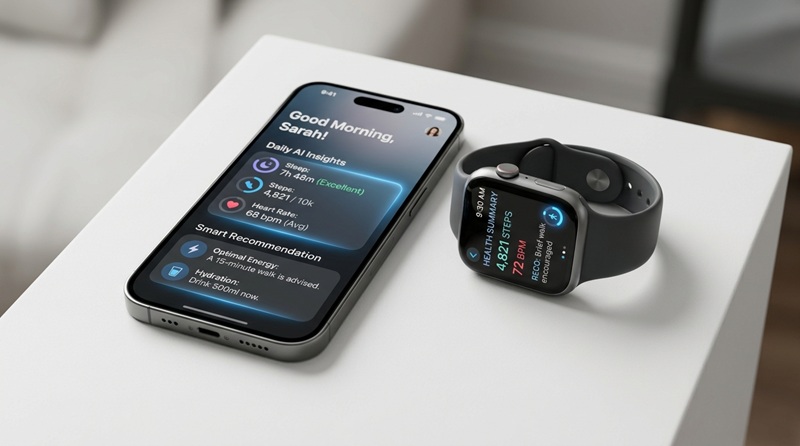
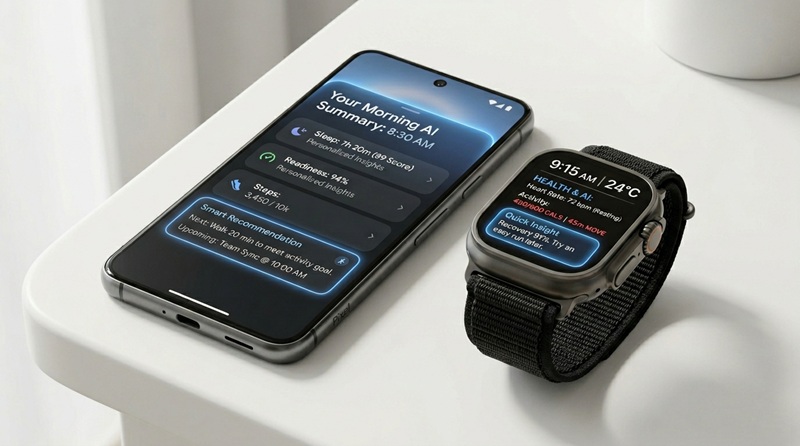
The Explosive Growth of On-Device AI in Consumer Products
The shift toward on-device AI is accelerating rapidly as brands prioritize privacy, speed, and personalization. The global on-device AI market was valued at approximately USD 10.76 billion to USD 21.29 billion in 2024-2025 and is projected to reach between USD 54.79 billion and USD 251.20 billion by 2032-2034, growing at CAGRs of 27-28% in many forecasts. Consumer electronics consistently account for the largest share (often 35-44%), driven by demand in smartphones, wearables, smart home devices, and audio products that need real-time processing without cloud dependency.
This growth reflects consumer desires for seamless experiences – whether it’s a fitness tracker suggesting personalized workouts based on your sleep patterns or a smart speaker adapting music recommendations without sending voice data externally. Privacy concerns are a major catalyst: surveys show 70%+ of consumers worry about data security with cloud AI, pushing manufacturers toward local processing.
What On-Device AI Means for Personalized Consumer Products
On-device AI runs machine learning models directly on the device’s hardware (using NPUs, specialized chips, or efficient CPUs), enabling instant insights while keeping sensitive data local. This delivers several key advantages for personalized products:
- Real-time responsiveness. No waiting for cloud round-trips; adjustments happen in milliseconds.
- Enhanced privacy. User data stays on the device, reducing breach risks and building trust.
- Offline functionality. Features work even without internet, ideal for travel or remote use.
- Lower costs and battery efficiency. Reduced data transmission saves power and bandwidth.
- Deeper personalization. Models learn from individual usage patterns to tailor interfaces, recommendations, and health insights uniquely to each user.
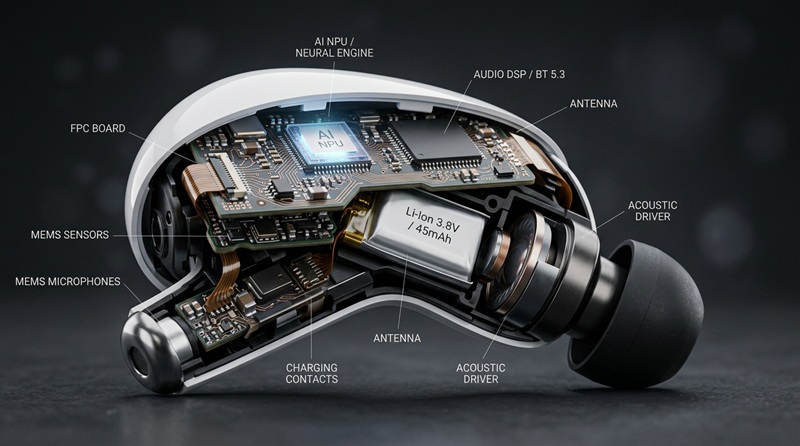
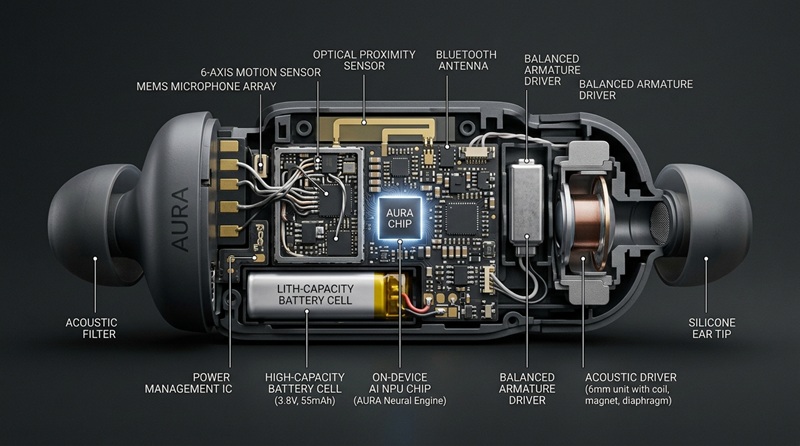
In practice, this powers features like on-device voice assistants that understand accents better over time, cameras that auto-enhance photos based on your style preferences, or earbuds that adapt noise cancellation to your daily environment.
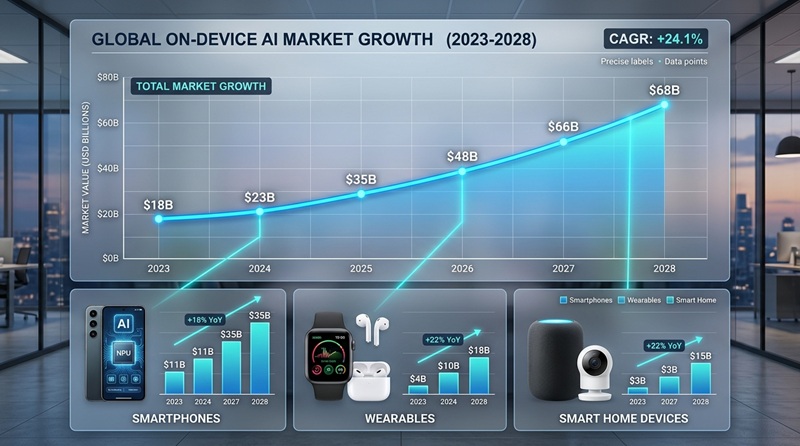
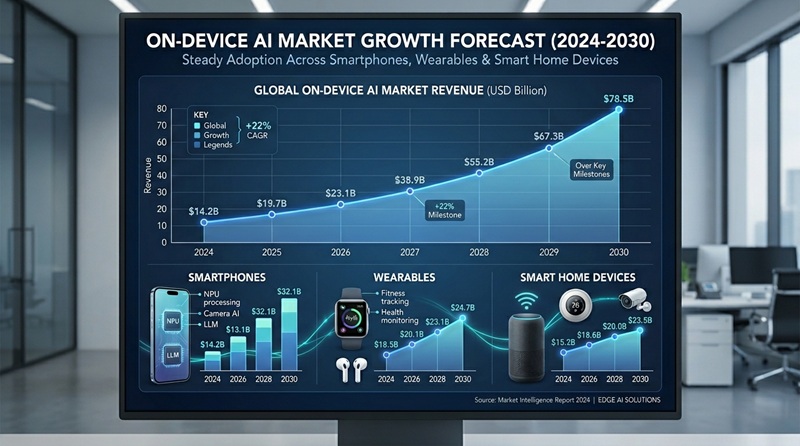
Key Applications of On-Device AI in Consumer Products
On-device AI is already reshaping multiple categories. Here are prominent examples:
- Wearables and Health Devices. Smartwatches and rings use on-device AI to analyze heart rate variability, sleep stages, and activity in real time, delivering personalized coaching like “take a breathing break now” based on your stress patterns. New 2025 devices incorporate AI for proactive health alerts, such as detecting irregular rhythms or suggesting recovery routines.
- Smartphones and Tablets. On-device models handle photo editing, language translation, and predictive text with user-specific learning, all while protecting photos and messages locally.
- Smart Home Devices. Speakers, lights, and cameras adapt to household routines (e.g., adjusting lighting based on detected moods or occupancy) without constant cloud uploads.
- Audio and Earbuds. Real-time audio personalization, including spatial sound tuning or conversation enhancement, processes sound locally for better privacy and low latency.
- Emerging Categories. AI-powered smart mirrors for fitness coaching or posture correction, and even adaptive clothing that monitors biometrics.
These applications turn generic hardware into intuitive companions that feel custom-built for each user.
Challenges in Developing and Manufacturing On-Device AI Products
While promising, integrating on-device AI into consumer products brings significant hurdles that manufacturers must address:
- Hardware Constraints. Devices have limited power, memory, and thermal headroom. Running complex models requires efficient NPUs and optimized silicon without draining batteries or causing overheating.
- Model Optimization. Large AI models must be compressed (via quantization, pruning, or distillation) while retaining accuracy – demanding tight hardware-software co-design.
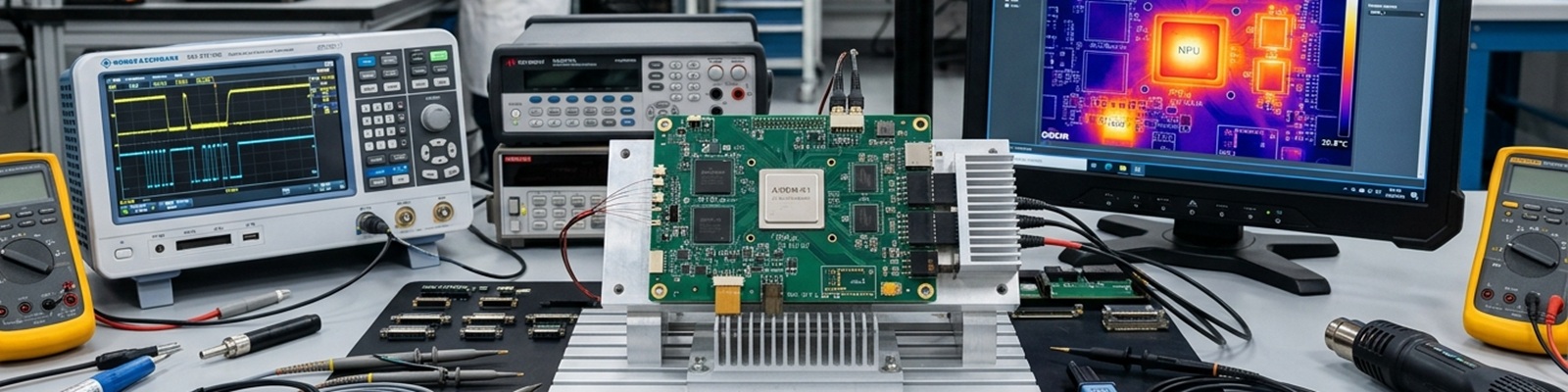
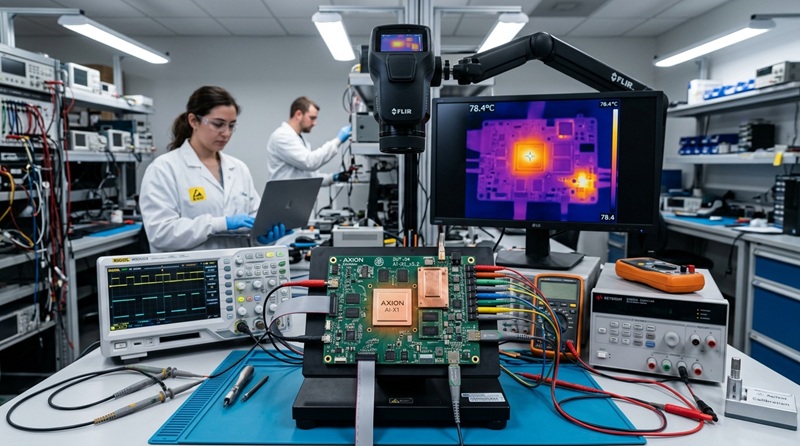
- Thermal and Power Management. High-performance inference generates heat in compact form factors, risking throttling or discomfort in wearables.
- Sensor Integration and Data Quality. Multiple sensors (accelerometers, cameras, biosensors) must feed clean data to the AI without crosstalk or excessive power draw.
- Scalability and Yield. Mass-producing devices with consistent AI performance requires precision assembly, rigorous testing, and supply chain control for specialized chips.
- Regulatory and Privacy Compliance. Meeting standards for data handling while delivering personalization adds complexity.
Overcoming these requires experienced partners who understand both AI-enabling hardware and high-volume consumer manufacturing.


How Panasia Solutions Leads in On-Device AI Product Manufacturing
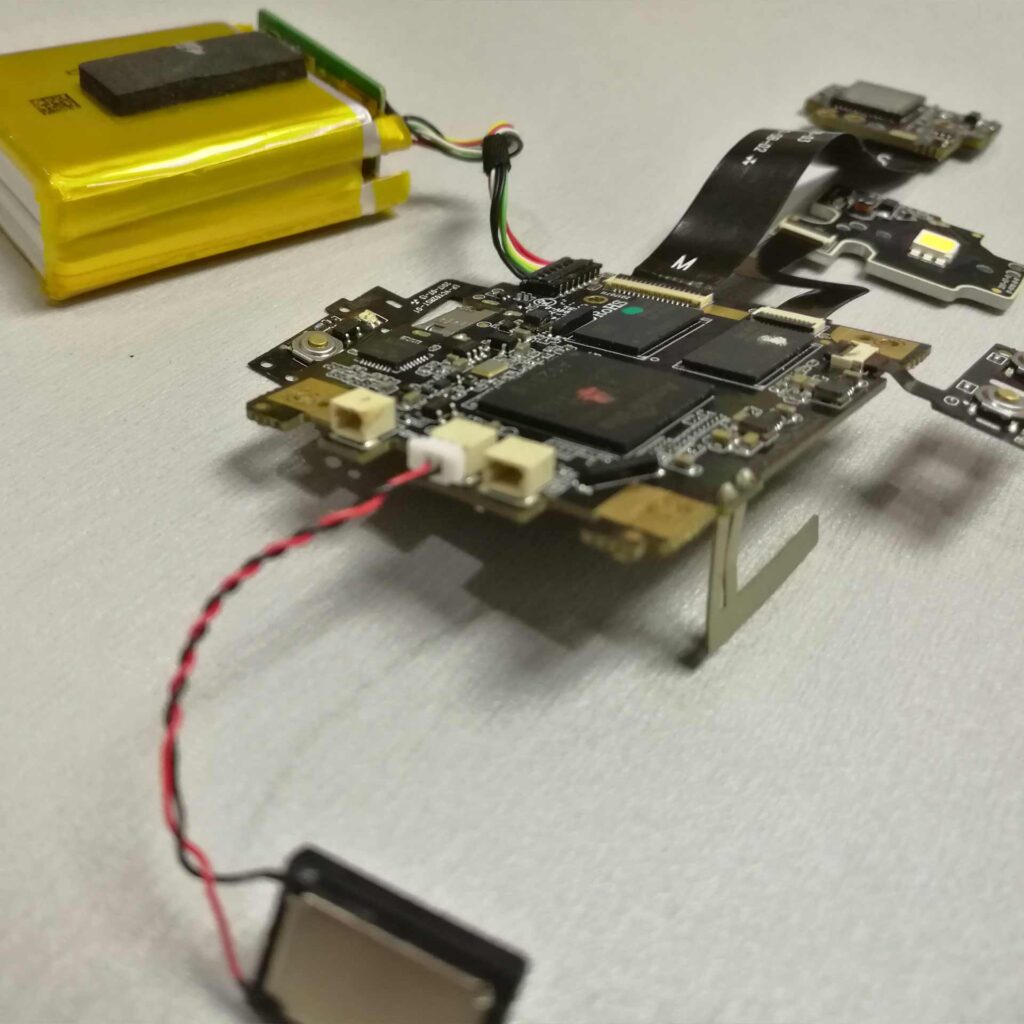
Panasia Solutions is well-positioned to help brands navigate these challenges and deliver successful on-device AI consumer products. Our 25+ years of expertise in consumer electronics and wearables includes end-to-end capabilities: concept development, DFM feedback to optimize for edge AI components, prototyping, PCBA with NPU integration, precision molding for compact enclosures, thermal solutions, rigorous testing (including AI performance validation), and ISO-compliant mass production.
We specialize in miniaturization for wearables, efficient power management for battery-powered AI devices, and reliable sensor fusion – key for maintaining consistent personalization features at scale. Our global supply chain expertise ensures access to advanced AI chips while mitigating shortages, and our iterative DFM process helps clients reduce costs and improve yields without compromising performance or privacy features.
Clients trust us to turn innovative on-device AI concepts into market-ready products that stand out through genuine personalization and reliability.

The Future of On-Device AI in Personalized Consumer Experiences
Looking ahead, hybrid approaches (combining on-device AI with selective cloud support) will become standard, balancing privacy with occasional heavy-lifting tasks. Advances in tinier, more efficient models, better NPUs, and federated learning will enable even deeper personalization – such as devices that anticipate needs before you express them.
Expect more proactive health companions, context-aware smart homes, and adaptive entertainment devices. Success will depend on manufacturers who excel at integrating AI hardware seamlessly while prioritizing user trust and experience.
Panasia Solutions continues investing in these capabilities to support partners at the cutting edge of personalized consumer technology.
Ready to develop smarter, more personalized consumer products powered by on-device AI? Browse our capabilities or contact our expert team today for a consultation. Let’s create the next generation of intelligent devices together.