As global supply chains continue to evolve, electronics manufacturers must stay ahead of shifting tariffs and regulations that can dramatically impact costs and market access. Understanding trade policies in electronics is crucial, from US-China tensions to EU sustainability rules, helping companies like Panasia Solutions maintain efficiency in an unpredictable landscape.
Projections for 2026 indicate global trade growth at 3.3%, according to WTO forecasts, with electronics facing heightened challenges. Tariffs could add 10-15% to imported component costs, but proactive strategies in trade policies in electronics – like diversification – might offset this, potentially saving 5-10% on overall logistics.
The Current Landscape of Global Trade for Electronics
Electronics trade is highly sensitive to policy fluctuations, with components often crossing multiple borders. In 2026, ongoing US Section 301 tariffs at 25% on Chinese goods will persist, as detailed in USTR updates, prompting shifts to alternatives like Vietnam.
The EU’s CBAM could impose 20-35% taxes on carbon-heavy imports, affecting Asian suppliers, per EU CBAM guidelines. These elements in trade policies in electronics demand vigilant monitoring to avoid supply disruptions.
India’s PLI scheme provides 4-6% incentives for local manufacturing, attracting electronics firms, as outlined in PIB India reports.
How Policies Reshape Supply Chains
Tariffs often force rerouting of supply chains, but they also open doors for innovation. For electronics, US-China decoupling might increase costs by 8-12%, yet regions like India and Mexico offer lower labour at 15%, according to Deloitte’s global trade outlook.
Mexico’s USMCA advantages reduce tariffs to near-zero for North American trade, enhancing electronics assembly, from Trade.gov USMCA resources. In trade policies in electronics, such agreements help stabilize volatile chains.
ASEAN’s RCEP lowers intra-regional duties to 0-3%, boosting electronics flows by 15%, as ASEAN RCEP explains.

Building Robust Compliance Approaches
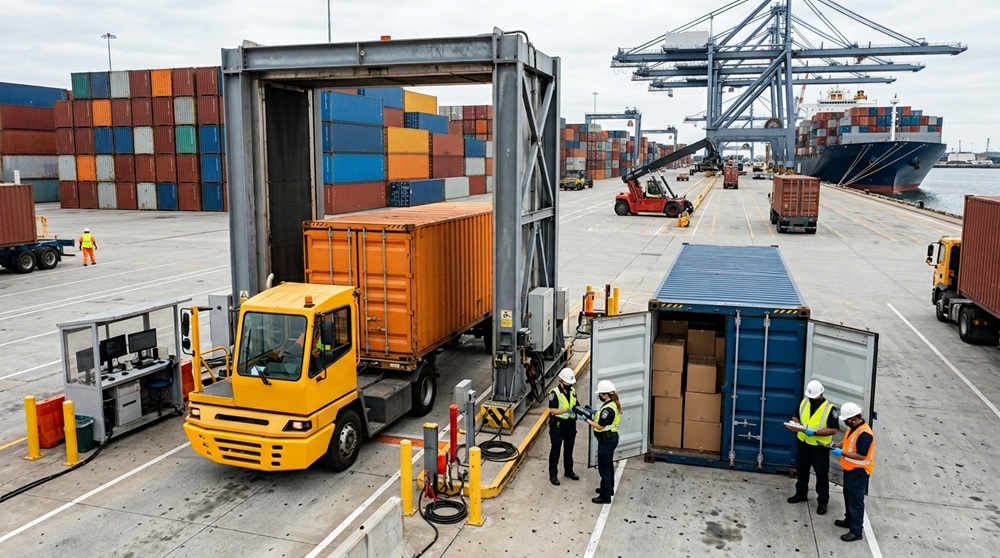
Compliance avoids hefty fines – up to 100% for errors in classification. Frameworks like the HS system ensure accurate tariffing, as described by the WCO HS overview.
For chemicals in electronics, EU REACH mandates restrict hazardous substances, with violations costing €1M+, per ECHA REACH. US CTPAT expedites customs for secure chains, cutting inspections 3-5x, from CBP CTPAT program.
In trade policies in electronics, these approaches safeguard operations.
Economic Ramifications on Pricing and Supply
Tariffs can inflate pricing 5-10%, but FTAs provide relief. Electronics supply may tighten from export controls, with 2026 chip shortages likely, per SIA export controls.
Diversification cuts risks 20-30%, as BCG trade navigation advises. Consumer prices may rise 3-5%, but localized production stabilizes supply.
These ramifications underscore strategic planning in trade policies in electronics.
Regional Spotlights on Trade Shifts
In Asia, China’s dual circulation emphasizes domestic markets amid tariffs, per PwC global economy. ASEAN’s RCEP lowers intra-regional tariffs to 0-3%, boosting electronics trade 15%, from ASEAN RCEP.
North America sees USMCA reshaping supply, with Mexico’s electronics exports up 20%, as Brookings USMCA analyses. Europe pushes green deals, mandating 20% recycled content by 2030, per EU Ecodesign.
These spotlights guide trade policies in electronics navigation.
Anticipating 2026 Policy Changes
2026 may see escalated US tariffs on tech imports, per USTR Section 301. WTO reforms could ease disputes, but bilateral deals like US-India iCET focus on semis, from White House iCET.
Sustainability mandates like EU’s ESPR require eco-labels, impacting exports, as EU sustainable products details.
Anticipating these shapes trade policies in electronics strategies.
How Panasia Solutions Adapts to Trade Policies
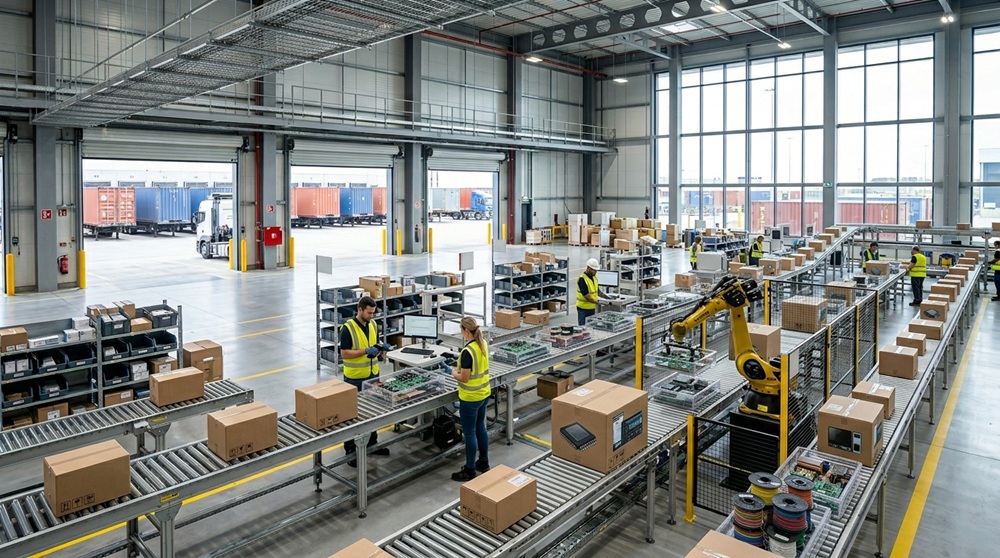
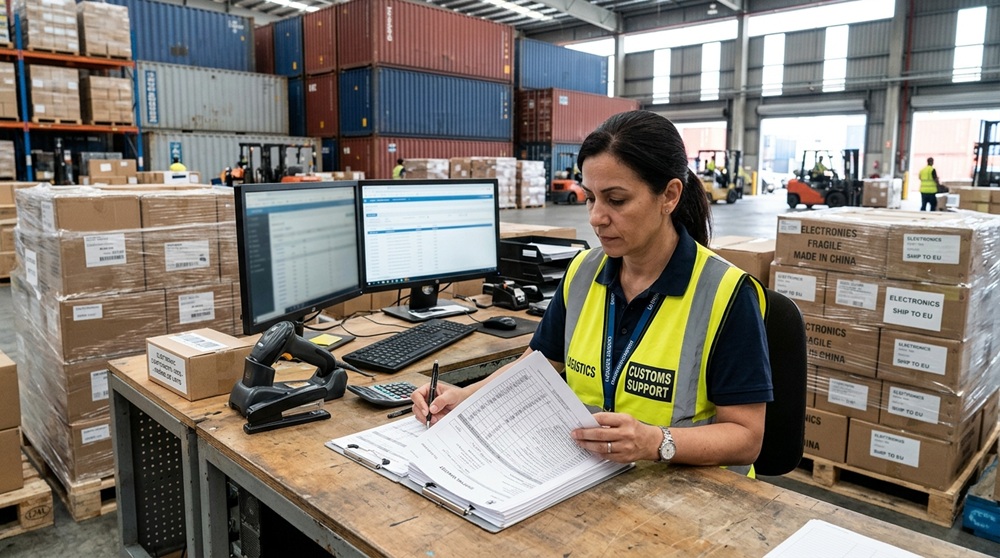
Headquartered in China with facilities in Shenzhen and Dongguan, Panasia Solutions offers end-to-end services from design to manufacturing and logistics. With 25+ years experience, we specialize in high-tech electronics and rigorously test/certify products to international standards, ensuring compliance with evolving tariffs.
Conclusion
Navigating tariffs demands foresight in trade policies in electronics. Ready to adapt? Browse our services or contact our team today – let’s make your next product a success story.